
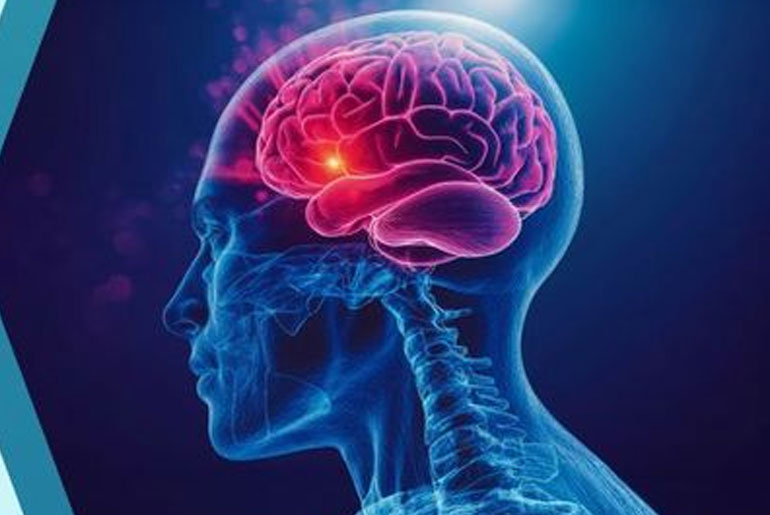
The first 90 days after a stroke are widely regarded as a critical window that can shape a patient’s long-term recovery and quality of life. During this period, the brain shows the greatest capacity for healing and adaptation, making early interventions—such as rehabilitation, therapy, and lifestyle adjustments—especially impactful. How patients and caregivers approach these initial weeks often determines the speed of recovery, the extent of regained function, and the prevention of complications. Understanding the importance of this period empowers patients to take proactive steps that can positively influence the rest of their lives.
1. The Window for Maximum Recovery
The first 90 days after a stroke are sometimes called the “golden window” for recovery. During this period, the brain exhibits the highest level of neuroplasticity—its ability to reorganize and form new connections. Rehabilitation efforts such as physical therapy, occupational therapy, and speech therapy are most effective during this early phase. Interventions in this period can significantly influence functional recovery, mobility, speech, and independence. Delaying therapy can reduce the potential gains that are possible in these early months.
2. Preventing Secondary Complications
Early post-stroke care is crucial for preventing secondary health issues that can shape long-term outcomes. Complications like pneumonia, blood clots, urinary tract infections, and pressure sores are common in the early days if mobility and care are inadequate. Proper medical management, early mobilization, and rehabilitation reduce the risk of these complications, which can otherwise limit recovery and lead to permanent disability.
3. Establishing Lifestyle and Medication Habits
The first three months post-stroke are essential for establishing lifestyle adjustments and medication routines. Doctors typically prescribe medications to control blood pressure, prevent clotting, manage cholesterol, and reduce the risk of recurrent stroke. Patients who adopt healthy habits—such as a balanced diet, regular exercise, quitting smoking, and moderating alcohol—during this window are more likely to sustain long-term cardiovascular health and prevent future strokes.
4. Psychological and Emotional Adjustment
Stroke recovery isn’t just physical; the first 90 days are critical for mental health and emotional adjustment. Experiencing sudden loss of function can trigger depression, anxiety, or frustration. Early counseling, support groups, and family involvement in care help survivors develop coping strategies. Psychological resilience built during this time can shape long-term well-being, motivation, and engagement in ongoing rehabilitation.
5. Setting the Foundation for Long-Term Independence
Outcomes in the first 90 days often predict long-term independence. The ability to regain basic activities of daily living (ADLs)—such as eating, dressing, walking, and personal hygiene—within the first three months correlates with greater autonomy later. Intensive therapy and rehabilitation during this period create muscle memory, restore function, and teach strategies to compensate for deficits, setting the stage for a more active, independent life.
Conclusion
The first 90 days after a stroke are a critical period of recovery, adaptation, and prevention. Prompt medical care, intensive rehabilitation, lifestyle modification, and emotional support during this window define the survivor’s functional abilities, quality of life, and long-term health. What happens in these first three months often shapes the rest of a stroke survivor’s life, making early action and consistent care essential.
Disclaimer:
The information contained in this article is for educational and informational purposes only and is not intended as a health advice. We would ask you to consult a qualified professional or medical expert to gain additional knowledge before you choose to consume any product or perform any exercise.