

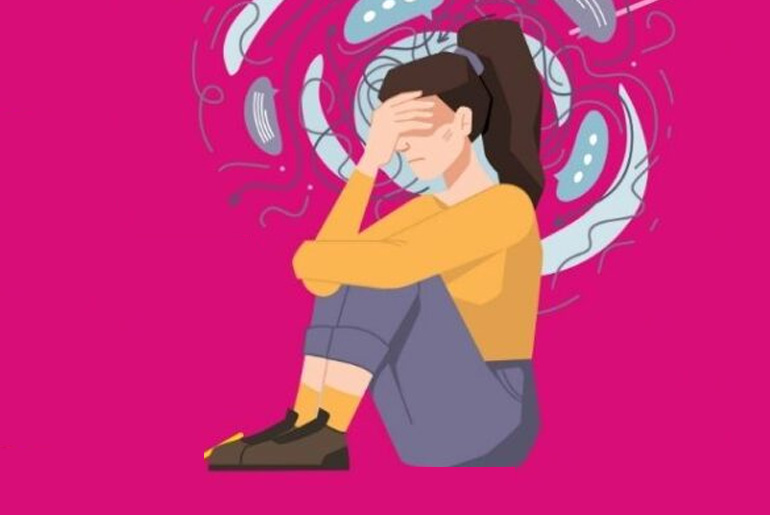
We live in a world that values grit, let’s face it. Words like “keep going,” “don’t give up,” and “power through” are all around us. But eventually, that strategy simply isn’t enough. You reach a breaking point when stress from a job, family, or life in general persists for an extended period of time. Burnout is that wall, and it’s more than just being exhausted or irritable. Burnout affects your body, including your hormones. Researchers have found that prolonged stress alters your hormones, especially those associated with melatonin and cortisol. The consequences? Your mood plummets, you become weary, you have trouble sleeping, and you just don’t recover as quickly as you once did. It becomes evident why pep talks and pure willpower are ineffective once you understand how burnout rewires your hormones. It takes more to truly recover. In some cases, these mood swings can also occur alongside anxiety or despair.
What Is Hormonal Burnout?
When the body’s stress-response system, which is mainly regulated by cortisol, adrenaline, insulin, thyroid hormones, and sex hormones, remains active for an extended period of time, hormonal burnout results. Cortisol levels are kept high by long-term stress, overtraining, undereating, insufficient sleep, and emotional overload, which ultimately throws off hormonal equilibrium. This situation causes the neurological and endocrine systems to become dysregulated over time, which hinders the body’s ability to adjust, heal, and perform at its best.
Resting alone won’t help you even when you’re exhausted
Feeling extremely worn out yet not rejuvenated by rest is one of the most perplexing elements of hormonal burnout. This is because the nervous system is still in a “fight-or-flight” mode. Stress hormones are released even when you lie down or stop working. True healing necessitates active recovery techniques that soothe the neurological system; relaxing alone, without attending to stress load, nourishment, and recovery signals, does not reset the system.
Sleep Turns Chaotic
Hormonal exhaustion frequently disturbs sleep patterns. You might wake up a lot, have anxiety in the morning, or feel exhausted all day yet alert at night. Elevated cortisol at the wrong periods hinders the generation of melatonin, the hormone that promotes sleep. This imbalance is worsened by pushing harder, such as through late-night work, vigorous exercise, or too much caffeine, which feeds a vicious cycle of deeper weariness and poor sleep.
Mental fog and a lack of motivation are common symptoms
The brain’s capacity to concentrate, organize, and maintain motivation deteriorates as burnout sets in. Chronic stress hormones have been related to this “brain fog,” which affects neurotransmitters including serotonin and dopamine. Once-easy tasks start to feel overwhelming. Instead of preventing burnout, forcing productivity during this stage frequently exacerbates emotional stress and frustration.
Mood swings and emotional exhaustion
Hormonal imbalance directly impacts emotional regulation. Burnout can cause people to feel agitated, nervous, emotionally numb, or teary-eyed for no apparent reason. This syndrome occurs as a result of stress hormones interfering with brain chemicals that stabilize mood. Ignoring these warning signs and pushing through emotional tiredness exacerbates nervous system overload.
Physical Problems That Continue Even After Perseverance
Physical symptoms that don’t go away despite effort are a major indicator of hormonal burnout. Digestive problems, persistent weight gain or loss, frequent illness, migraines, muscular soreness, or irregular menstruation are some examples of these. When under continuous stress, the body diverts energy from immunity and repair. When hormones are dysregulated, more work may not translate into better outcomes.
When “Just Push Through” Isn’t Enough
For temporary difficulties, the principle of persevering is effective; however, burnout is not a problem of willpower. It’s a physiological condition. Longer recovery times and more severe hormonal disruption result from ignoring signs and expecting more from a system that is already exhausted. Knowing when pushing is detrimental is not a sign of weakness but rather a critical aspect of self-awareness.
Overcoming Burnout: What Actually Helps
Recovering from hormonal burnout requires a shift from intensity to consistency and safety. This includes prioritizing sleep rhythms, eating enough—especially protein and complex carbohydrates—reducing high-intensity workouts, managing stress through breathwork or gentle movement, and allowing emotional recovery. Supporting the nervous system helps hormones naturally rebalance over time.
In conclusion, Hormonal burnout is the body’s signal that the cost of pushing has exceeded its capacity to recover. Working harder in this state doesn’t build resilience—it breaks it down. Healing begins when effort is replaced with support, awareness, and balance. Listening to the body, rather than fighting it, is the fastest path back to energy, clarity, and long-term strength.
Disclaimer:
The information contained in this article is for educational and informational purposes only and is not intended as a health advice. We would ask you to consult a qualified professional or medical expert to gain additional knowledge before you choose to consume any product or perform any exercise.