

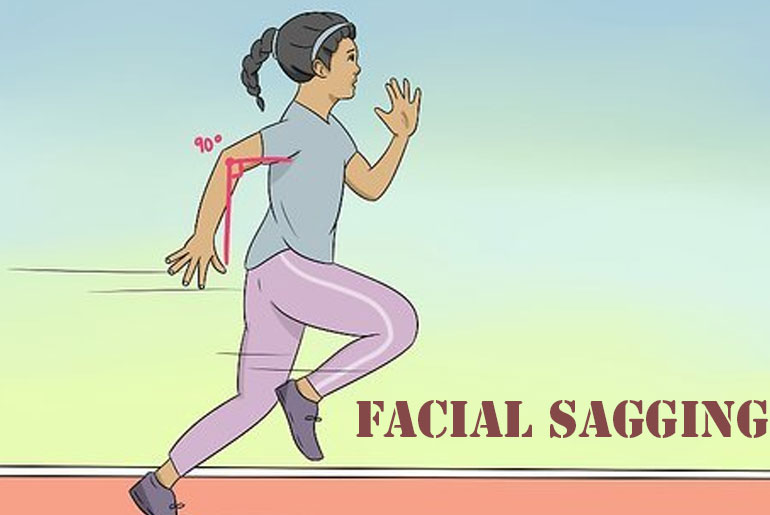
Running, which only requires a pair of shoes and the will to move, has long had a favorable reputation as one of the easiest and most efficient types of exercise. It offers strong cardiovascular advantages, supporting weight control and mental health while also enhancing heart health, lung capacity, endurance, and general fitness. Running is enticing due to its affordability and ease of use, but it is not risk-free, particularly if done improperly or without the right form, progression, or recovery. When runners neglect mobility, strength training, or rest, overuse injuries, joint strain, and muscle imbalances can develop. All things considered, jogging is a great workout if done with awareness, balanced with empowering activities, and customized to each person’s level of fitness.
Many runners are concerned that long-distance running may result in “runner’s face,” or premature facial aging. Running frequently is thought to cause sagging skin, sunken cheeks, and a more drawn-out appearance. Despite being widely used in informal conversation and on social media, the term is frequently misinterpreted. Experts stress that certain lifestyle and environmental factors related to running may have an impact on the appearance of the face over time, rather than running itself.
In any case, what is “Runner’s Face”?
A face that looks thin, gaunt, or prematurely aged is referred to as “runner’s face” informally, especially among endurance runners. Dermatology does not formally recognize it as a medical condition. Rather than referring to genuine skin damage brought on by jogging, the expression typically describes noticeable facial fat loss, fine wrinkles, and dull skin.
What Was Said by the US Physician?
Doctors and dermatology specialists in the United States claim that there is no scientific proof that running speeds up skin aging or causes facial drooping. They clarify that running’s frequent up-and-down action does not degrade collagen or result in skin “falling.” Rather, experts emphasize that a runner’s face ages far more as a result of their skincare practices, sun exposure, general body fat levels, and level of hydration.
What is the reality?
In actuality, one of the greatest workouts for longevity, mental wellness, and cardiovascular health is jogging. It promotes hormonal balance, enhances blood circulation, and enhances oxygen delivery to the skin, all of which might be advantageous for skin health. Any changes in runners’ facial features are usually related to training-related variables rather than running itself.
Why Do Some Runners Actually Appear Older or More Attractive?
1. Losing Facial Fat and Remaining Extremely Lean:
Endurance runners frequently keep their body fat levels low. While they may improve their performance, they may also lose the facial fat that often maintains youthful fullness. An old or haggard appearance might result from less face cushioning, which can highlight fine creases, hollows, and bone structure.
2. Exposure to Sunlight
Many runners spend a lot of time training outside, frequently without proper sun protection. Long-term UV exposure degrades collagen and elastin, resulting in sagging, pigmentation, and wrinkles. One of the main causes of runners’ premature facial aging over time is sun damage.
3. Environmental Stress and Dehydration
Running can cause the body and skin to become dehydrated, especially when it’s hot, windy, or cold. Skin that is dehydrated looks tight, lined, and lifeless. An older appearance is a result of environmental stresses, including pollution and dry air, which further erode the skin barrier.
Useful Advice for Avoiding “Runner’s Face”
Runners don’t have to give up their sport to protect their skin. It is crucial to wear a broad-spectrum sunscreen every day, especially on overcast days. Facial volume can be preserved by avoiding severe leanness, eating a balanced diet rich in healthy fats, and drinking plenty of water. Gentle skincare with antioxidants and moisturizers supports skin repair, while wearing caps or visors during runs reduces sun exposure.
In conclusion, “Runner’s face” is more of a myth than a medical fact. Running alone does not cause facial drooping and accelerated aging. Over time, factors such as low body fat, excessive sun exposure, dehydration, and unfavorable weather conditions influence the appearance of some runners. Runners may reap the many health advantages of running while maintaining strong, healthy skin by practicing good skincare, sun protection, hydration, and diet.
Disclaimer:
The information contained in this article is for educational and informational purposes only and is not intended as a health advice. We would ask you to consult a qualified professional or medical expert to gain additional knowledge before you choose to consume any product or perform any exercise.