
Breast cancer is a condition where the breast’s cells proliferate out of control, creating a lump or mass called a tumor. These cells have the ability to move (metastasize) to different areas of the body or infiltrate adjacent tissues. Although it can appear in many areas of the breast, ductal carcinoma and lobular carcinoma are the most frequently affected. Although it primarily affects women, breast cancer can also strike men, albeit considerably less frequently.
What Are Breast Cancer’s Early Symptoms?
A key component of effective treatment is early detection. Typical early indicators consist of:
- A new breast or underarm bulge or thickening
- Alterations to the size, form, or appearance of the breasts
- Other than breast milk, but possibly containing blood, breast milk discharge
Tenderness or pain in the breast
- Skin alterations including puckering, dimpling, or redness
- Changes around the nipple region or an inverted nipple
- It is advised that women self-examine their breasts on a regular basis and notify a physician right once if anything changes.
Who Is in Danger?
Breast cancer risk is increased by certain circumstances. These consist of:
- Age: Women over 50 account for the majority of instances.
- Genetics and family history: BRCA1 and BRCA2 gene mutations that are inherited raise risk.
- Hormonal considerations include hormone replacement treatment, late menopause, or early menstruation.
- Lifestyle factors include poor diet, lack of exercise, alcohol consumption, and obesity.
- Reproductive history: either no children or a first child born after the age of thirty.
However, screening and awareness are crucial because many breast cancer patients have no identified risk factors.
What is the prevalence of breast cancer?
The most prevalent malignancy among women worldwide is breast cancer. One in eight women may receive a breast cancer diagnosis at some point in their lives, according to the World Health Organization (WHO). Breast cancer is now more common among women in India than cervical cancer, and its incidence is rising in both urban and rural areas as a result of environmental and lifestyle changes.
What Kinds of Breast Cancer Are There?
There are multiple forms of breast cancer:
- DCIS is a non-invasive cancer that only affects the milk ducts.
- The most prevalent kind, invasive ductal carcinoma (IDC), extends outside of the ducts.
- The lobules are the starting point of invasive lobular carcinoma (ILC), which then spreads to neighboring tissue.
- Triple-negative breast cancer is frequently more aggressive and lacks HER2 protein and hormone receptors.
- Excess HER2 protein is present in HER2-positive breast cancer, which grows more quickly yet responds to targeted treatment.
Knowing the type aids in choosing the best course of action.
Is It Possible to Prevent Breast Cancer?
Certain actions can reduce risk, even though not all breast cancers can be avoided:
- Continue to be physically active and maintain a healthy weight.
- Restrict alcohol intake and abstain from smoking.
- Consume a well-rounded diet full of whole grains, fruits, and vegetables.
- As directed, schedule mammograms and conduct routine breast self-examinations.
- If there is a significant family history of breast cancer, talk about genetic testing.
For high-risk people, preventive drugs or surgery could be considered.
How is a diagnosis of breast cancer made?
There are several steps involved in diagnosis:
- physical assessment and symptom review.
- The most used screening method for finding anomalies is the mammogram.
- MRI or ultrasound: Aids in assessing dense breast tissue or masses.
- By analyzing a sample of breast tissue, a biopsy can confirm the presence of cancer.
- Treatment choices are determined by HER2 and hormone receptor testing.
The likelihood of survival is greatly increased by early diagnosis through routine screening.
Which Treatments Are Available?
Depending on the cancer’s nature and stage, treatment options may include:
- Surgery: mastectomy (breast removal) or lumpectomy (tumor removal).
- After surgery, radiation therapy eliminates any cancer cells that remain.
- Chemotherapy: Drugs are used to kill cancer cells all over the body.
- Hormone treatment stops the growth of cancer by blocking the hormones that cause it.
- Targeted therapy targets particular molecules, such as HER2 proteins.
- Immunotherapy: Increases the body’s defenses against cancerous cells.
A comprehensive approach guarantees efficient and individualized treatment.
What Makes Early Detection Vital?
Early detection has the potential to save lives. Early detection of breast cancer results in less invasive treatment, quicker recovery, and significantly greater survival rates. Self-examinations, routine mammograms, and symptom awareness all aid in detecting the cancer early on.
What Makes October Significant?
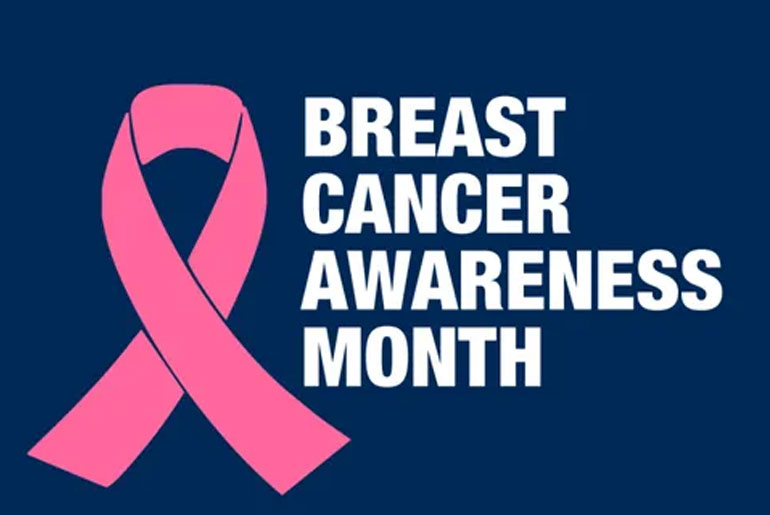
The pink ribbon represents Breast Cancer Awareness Month, which is celebrated worldwide in October. It is committed to increasing awareness, helping survivors, encouraging screenings, and providing funds for research into more effective therapies. Through education, early diagnosis, and unity in the battle against breast cancer, the month gives women the tools they need to take control of their health.
Disclaimer:
The information contained in this article is for educational and informational purposes only and is not intended as a health advice. We would ask you to consult a qualified professional or medical expert to gain additional knowledge before you choose to consume any product or perform any exercise.