

What is the scientific basis for gaining weight in a healthy way? Contrary to popular belief, eating more does not necessarily result in bulking up. Overeating mostly results in fat rather than healthy weight gain. It’s critical to recognize the distinction: weight gain refers to a rise in total body weight, which may originate from glycogen, water, fat, muscle, or bones. The buildup of bodily fat that has been stored is referred to as fat gain. Focus on increasing muscle while decreasing fat by consuming foods high in nutrients, doing strength training, and keeping your calorie intake balanced if you want to attain a healthy weight.
Eating frequently, selecting wholesome foods, and exercising are all necessary for healthy weight growth. By doing these tasks regularly, you can gain weight in a healthy and steady manner rather than just by concentrating on the scale.
Weight-gain diet plan
Gaining weight can be difficult for some people, particularly if they want to do so in a healthier way. Dietitian Chawla shared the following considerations below:
1. A excess of calories from high-quality foods
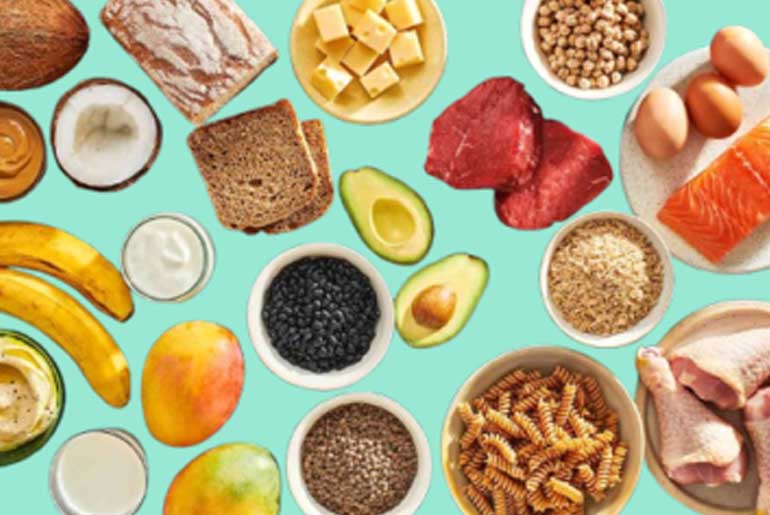
You must consume more calories than you expend to gain weight, but diet quality is also important. Aim for 300–500 more calories per day. Rather than relying on processed or fried foods, give your body healthy choices like
- Whole grains: quinoa, oats, and brown rice
- Nuts, seeds, avocado, and olive oil are beneficial sources of fat.
- Lean proteins include lentils, chicken, eggs, paneer, and tofu.
2. Every meal should have protein
Protein is essential for muscle growth and maintenance. Attempt to incorporate a healthy protein source into each meal, such as paneer or tofu for dinner, dal or chicken for lunch, and eggs for morning. Smoothies mixed with milk, nut butter, and protein powder are also an option if you’re craving something to drink.
A balanced diet looks like this:
- Breakfast consists of milk-cooked oats garnished with honey, bananas, and almonds.
- Fruit smoothie or peanut butter toast for a midmorning snack
- Lunch consists of paneer or chicken, vegetables, dal, and brown rice or whole wheat roti.
- Snack in the evening: Greek yoghurt with grapes or trail mix
- Supper will be millet or quinoa with tofu and stir-fried veggies.
- Prior to going to bed: Dates or soaked nuts in a glass of milk
3. Do not omit lipids or carbohydrates
While healthy fats aid in the synthesis of hormones and the absorption of vitamins, carbohydrates aid in the replenishment of glycogen stores and provide energy for exercise. Dietitian Chawla advises adding items like sweet potatoes, whole grains, fruits, nuts, and seeds to your plate on a regular basis.
The dietitian asserts that while diet can have a big impact, “some of the hidden but silent boosters, like exercising daily, staying hydrated, and getting enough sleep, play an effective role.” Yoga, resistance bands, and strength training are examples of exercises that will assist in toning your body and organically increasing your muscle mass. Drinking plenty of water and getting 7 to 8 hours of sleep regulates growth hormones and digestion.
What should I not do?
Steer clear of the following elements for more healthful weight gain:
- sugary beverages and snacks made of flour.
- meat or processed foods.
- Some individuals ignore whole foods and rely solely on supplements.
- This can lead to high levels of stress and poor sleep.
Disclaimer:
The information contained in this article is for educational and informational purposes only and is not intended as a health advice. We would ask you to consult a qualified professional or medical expert to gain additional knowledge before you choose to consume any product or perform any exercise.