

Frequent exercise has traditionally been associated with improved health, but recent studies indicate that movement variation may be just as significant as regularity. According to a recent study, people may live longer and have better general health if they frequently participate in a variety of physical activities rather than just one. The results support the notion that the human body thrives on a variety of movement patterns that provide complementary challenges to the heart, muscles, and neurological system.
How Physical Activity Was Examined in the Study
The study tracked the physical activity patterns, health outcomes, and mortality risk of a sizable population of adults over a number of years. Researchers looked at activity diversity, including aerobic exercises like walking or cycling, strength training, flexibility exercises, and leisure or lifestyle activities, rather than just the amount of exercise that participants engaged in. Compared to individuals who relied solely on one sort of activity, those who incorporated many forms of movement into their weekly routines demonstrated noticeably superior long-term health outcomes.

The Significance of Activity Variety
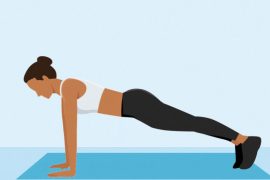
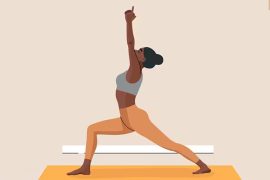
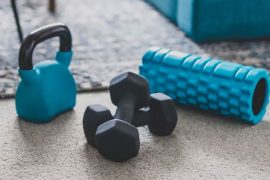
The body benefits from various types of physical activity in different ways. Resistance training maintains muscle mass and bone density, aerobic workouts enhance the heart and lungs, and flexibility and balance exercises improve joint health and lower the risk of falls. According to the study, combining these exercises produced a synergistic impact that improved cardiovascular function, insulin sensitivity, and metabolic health more successfully than any one activity alone. Age-related physical deterioration seems to be slowed by this balanced stimulation.
Effects on Lifespan and Risk of Chronic Illnesses
The link between diversified physical activity and a lower chance of dying young was one of the most startling discoveries. Heart disease, type 2 diabetes, and some types of cancer were less common in participants who exercised in multiple ways. Improvements in immunological function, stress management, and mental health—all of which are related to longevity—were also seen by the researchers. When varied, even moderate-intensity exercises lead to significant lifetime advantages.
Useful Consequences for Everyday Life
According to the study, people can benefit from a longer lifespan without engaging in strenuous exercise. Simple adjustments can have an impact, such as switching between yoga and walking, incorporating recreational sports, or adding mild strength training. Crucially, a variety of activities were advantageous for all age groups, which means that older persons who combined aerobic movement with balance, mobility, and strength training also benefited.
Moving more is vital, but moving in a different way might be the key to living longer, according to the research. Frequent participation in a range of physical activities supports several bodily systems, reduces the risk of chronic illness, and encourages healthier aging. Developing a program that incorporates a variety of fun forms of movement may be one of the most effective—and sustainable—ways to increase longevity and quality of life, rather than concentrating on a single ideal workout.
Disclaimer:
The information contained in this article is for educational and informational purposes only and is not intended as a health advice. We would ask you to consult a qualified professional or medical expert to gain additional knowledge before you choose to consume any product or perform any exercise.