

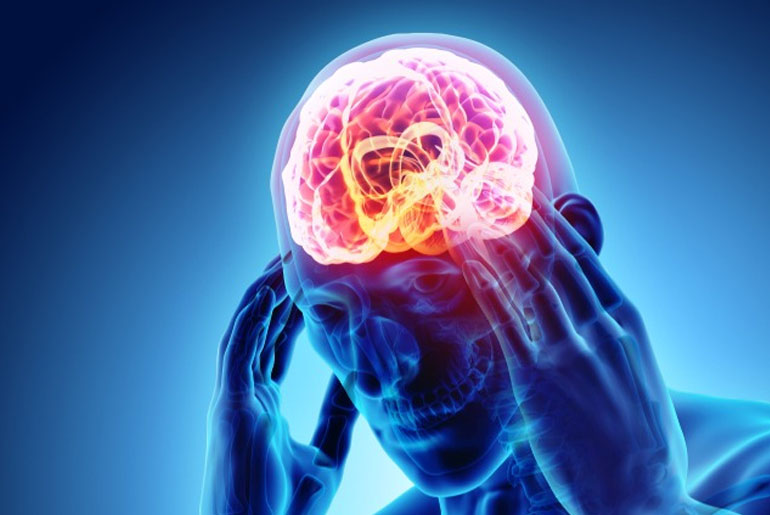
Have you ever seen zigzagging lines or noticed an abrupt burst of light in your vision? Such events could happen before a really bad headache, which could be a sign of a migraine. While each person’s migraine symptoms are unique, many experience visual distortions known as “auras.” Cortical spreading depression (CSD), a wave of aberrant electrical activity in the brain’s visual cortex, is the main reason for migraines’ ability to temporarily impair vision or induce blindness. This activity may disrupt blood flow to the retinal vessels, resulting in symptoms such as monocular vision, blind spots, or shimmering lights. When blood flow returns to normal, these symptoms typically disappear.
Why do migraines cause auras?
A collection of sensory symptoms known as an aura may occur prior to a migraine headache. The Association of Migraine Disorders estimates that these symptoms affect about 30% of migraineurs. They frequently include flashing lights, zigzag lines, or temporary blind spots. Visual auras are widespread, occurring before headaches in at least 20% of individuals.

Why do these strange visual perceptions occur? These visual auras occur when they trigger waves of electrical activity in the brain. Cortical spreading depression is the term for this. According to the doctor, “it typically lasts between 10 and 40 minutes and frequently occurs before the more severe symptoms of a migraine attack.” You may feel confused or react normally due to the oddity of these visual symptoms.
What’s causing my vision to shimmer?
You may have had migraine-related visual symptoms if you’ve ever observed a portion of your vision that abruptly vanishes or appears to shimmer. The expert cautions that these problems frequently begin in one area of your field of vision and can expand, impacting one side of your vision. The visual indicators of a migraine are terrifying and quite restrictive because they can accompany other symptoms like tingling sensations or difficulty speaking.
Acephalgic migraines affect about 10% of migraineurs. According to the ophthalmologist, “in these cases, they experience visual symptoms, known as auras, but do not have a headache afterwards.” This uncommon kind can make identification more difficult and frequently cause people to seek treatment for their visual symptoms rather than the underlying problem.
How can migraines be managed?
You can better control your migraine by being aware of the warning symptoms. You can take certain actions if you observe odd visual impacts. First, the discomfort can be reduced by going to a calm, dark area. It’s important to stay hydrated by drinking some ginger tea. You may get relief by placing a cold compress on your forehead. Using calming aromas like lavender or peppermint might also help you relax during this trying period.

Understanding what causes migraines is crucial for long-term successful management. An attack can be triggered by stress, specific foods, excessive caffeine, bright lights, and loud noises. You can monitor these factors by keeping a migraine journal. You can become more self-aware and discover more effective management techniques by engaging in this exercise.
Which migraine kind results in flashing lights?
Many people find that migraines, which cause frequent flashing lights or visual abnormalities, can be a perplexing issue. Seeing a medical expert who specializes in neurology or diseases of the eyes and brain is crucial. Options for treatment include drugs like triptans that prevent an attack before it begins. “There are also preventative medications, like beta-blockers and antiepileptics, for people who frequently have severe migraines,” the ophthalmologist notes. Managing this illness can be greatly aided by lifestyle modifications that target personal triggers in addition to medicine.
How do you manage a migraine?
Although they are typically not harmful, migraines and auras can lower a person’s quality of life. Recurrent migraine attacks can marginally raise the chance of long-term stroke or blood vessel issues, though such damage is uncommon. “This risk emphasizes how important it is to effectively manage migraines and seek appropriate medical advice,” the doctor says. There is more to auras than just annoyance. Their causes are actually neurological. We can become more sympathetic to people who go through them if we comprehend this.
Disclaimer:
The information contained in this article is for educational and informational purposes only and is not intended as a health advice. We would ask you to consult a qualified professional or medical expert to gain additional knowledge before you choose to consume any product or perform any exercise.