
The first thing that comes to mind when discussing arterial blockage is the heart (and heart disease). On the other hand, peripheral artery disease (PAD) is similar in that it occurs when the blood arteries supplying the legs constrict or get clogged, hence decreasing blood circulation. Numerous symptoms of the illness make it challenging for people to continue with their regular routines. Early detection of these signs aids in averting the development of more problems. There are six early signs of PAD that should not be disregarded.
Walking-related leg pain or cramps that go away when you rest
Leg pain that flares up during physical activity but goes away when you rest is the primary indication of peripheral artery disease. This phenomenon happens because when you exercise, your muscles need more oxygen, but your arteries aren’t able to supply enough blood. Usually, the calf area is where the discomfort begins before moving to the thighs and hips. The symptoms of pain will go away while you relax since the blood flow demand will be reduced. Intermittent claudication is the medical word for this particular pattern of discomfort. As the illness progresses, PAD symptoms worsen from their initial modest pain. Because they think their leg pain is caused by arthritis or exhaustion, people with PAD often do not recognize their symptoms, delaying medical evaluation.
Legs that are weak or numb
Numbness and muscle weakness in the legs are symptoms of peripheral artery disease patients’ inadequate blood supply. This illness is caused by the nerves and muscles not receiving enough oxygen and nutrients. It is difficult to move and stay standing when experiencing numbness in the legs and associated muscle weakness. It is this numbness that increases the likelihood of accidents and injury. Occasionally the weakening sign develops gradually, making it difficult for patients to notice at first. If you continue to feel weak or numb, you should get evaluated by a doctor because this could be a sign of the advancement of PAD.
Feeling cooler on one leg than the other
Patients with peripheral artery disease may feel colder in one leg or foot than the other due to circulation issues. Because arteries shrink or become blocked, oxygen-rich blood cannot reach the skin, causing the skin’s temperature to drop. One leg remains cooler than the other, so when you touch them, the temperature differential between them becomes apparent. One of the early indicators of peripheral artery disease, which affects the colder leg, is the temperature differential between the legs. Some individuals have a weaker pulse because of decreased blood flow in their cooler leg.
Foot wounds that heal slowly
Wounds on the feet and toes heal more slowly than they should because of the blood flow constraints in peripheral artery disease. For your body to carry out essential tissue healing processes, it needs enough oxygen and nutrients. Chronic ulcers and infections arise from protracted wound healing caused by the body’s incapacity to obtain adequate oxygen and nutrients. Gangrene, a condition in which the tissue dies, can develop from these wounds if they are left untreated. Amputation may be necessary due to this serious complication. When foot wounds don’t heal or take a long time to heal, medical assistance is required, especially for individuals with PAD risk factors.
Legs and feet with shiny skin or hair loss
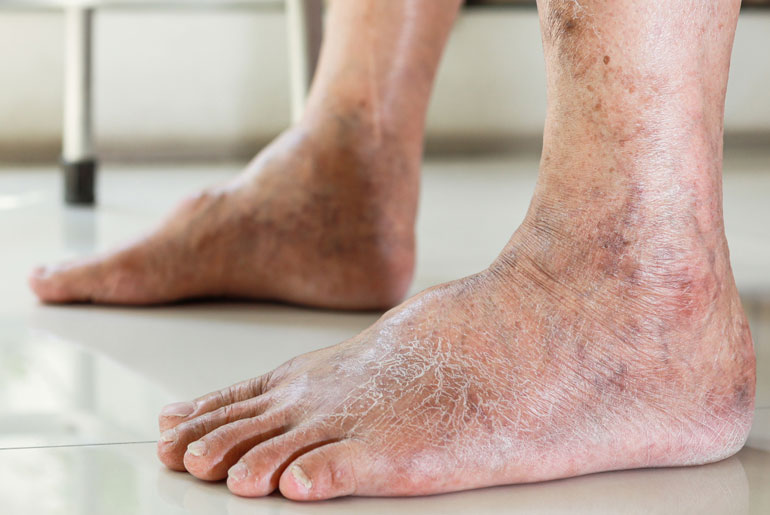
Shiny skin and hair loss on the legs and feet are the two prominent skin-related symptoms caused by peripheral artery disease. Restrictions in blood flow and tissue changes lead the skin to become thinner and smoother and develop an unnatural shine. Hair loss occurs in the lower extremities as a result of inadequate blood circulation. To keep hair follicles healthy, the skin needs enough blood circulation. Glossy, hairless skin, coldness, and slow wound healing indicate the development of peripheral artery disease. Observing these subtle changes in the skin enables early detection.
Weak heartbeat in the foot or legs
To assess blood circulation patterns, medical experts take pulse readings on the feet and legs. The arteries in peripheral artery disease constrict or become clogged, causing physicians to notice weak or absent pulses in the affected limbs. A weak pulse is a sign of decreased blood flow through vessels, which prevents muscles, skin, and other body tissues from receiving enough oxygen. Your ankles and feet should be examined by a medical professional for weak or missing pulses, as the result is a sign of impaired blood circulation. When this symptom is identified, physicians use the ankle-brachial index (ABI) test to confirm PAD and choose a course of treatment.
Most people believe that blockages only occur in the heart. However, you can also get warning signals from your legs. Disregarding these warning signals may lead to severe consequences. Patients can manage peripheral artery disease and prevent potentially fatal consequences that could lead to limb loss by identifying these six symptoms early through medical consultation. Patients can improve their blood circulation and quality of life by combining basic testing with lifestyle changes and prescription drugs.
Disclaimer:
The information contained in this article is for educational and informational purposes only and is not intended as a health advice. We would ask you to consult a qualified professional or medical expert to gain additional knowledge before you choose to consume any product or perform any exercise.