
Although they are common in many diets, sweeteners are not all made equal. The calorie content, blood sugar impact, and general health implications of monk fruit sweetener and regular sugar are completely unique. You may make better decisions for your long-term wellness, energy, and weight control if you are aware of these distinctions.
Regular Sugar: What Is It?
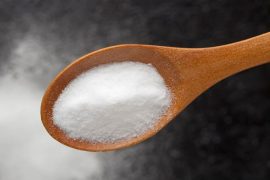
Sugarcane or sugar beets are the natural source of regular sugar, often known as table sugar or sucrose. In terms of chemistry, it is made up of fructose and glucose molecules joined together. It is a source of “empty calories” since it provides you energy quickly but lacks important nutrients.
Nutritional Profile (about 4 g per teaspoon):
- 16 calories
- 4 g of carbohydrates
- 4 g of sugar
- 0 g of fat
- 0 g of protein
Overconsumption raises the risk of diabetes, heart disease, and dental cavities and can cause weight gain and blood sugar surges.

Monk Fruit Sweetener: What is it?
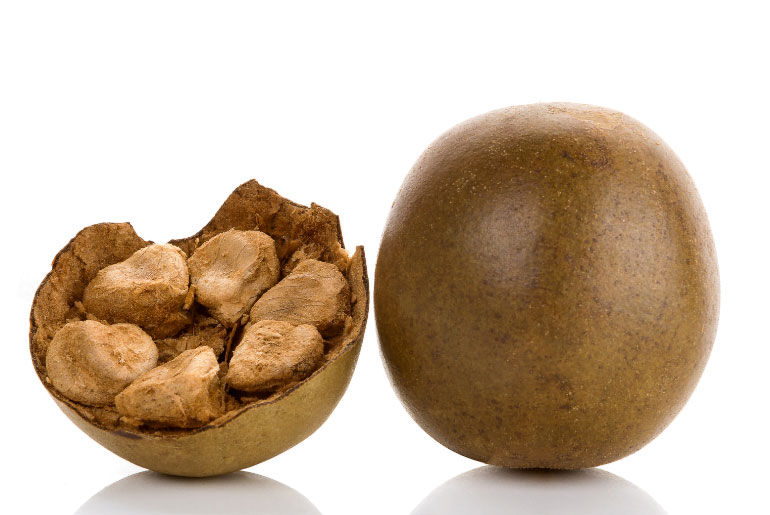
A natural sweetener with no calories, monk fruit sweetener is made from the monk fruit, a tiny, Southeast Asian green melon. Its mogrosides, which are 150–200 times sweeter than sugar, are what give it its sweetness. Monk fruit sweetener doesn’t increase insulin or blood sugar levels like ordinary sugar does.
Profile of Nutrition (per teaspoon):
- 0 calories
- 0 g of carbohydrates
- 0 g of sugar
- 0 g of fat
- 0 g of protein
For people with diabetes and those watching their weight, it is regarded as safe. To enhance texture and volume, erythritol and other natural fillers are added to the majority of monk fruit products.
Which Is Superior?
When compared to ordinary sugar, monk fruit sweetener is typically the healthier choice:
- Impact on blood sugar: Monk fruit is beneficial for diabetics because it doesn’t raise blood sugar levels.
- Calorie content: It helps with weight management because it is almost entirely calorie-free.
- Dental health: It doesn’t cause tooth decay like sugar does.
- Benefits of antioxidants: Monk fruit’s mogrosides may have antioxidant qualities.
Regular sugar can still be used sparingly for baking, taste, or energy. Balance is key: whenever possible, use monk fruit or other low-calorie natural sweeteners and limit added sugars.
In conclusion, Regular sugar gives you energy quickly, but it’s not the best for frequent ingestion because of its negative health effects. Without sacrificing sweetness, monk fruit sweetener provides a blood-sugar-friendly, low-calorie substitute. Selecting monk fruit or other natural sweeteners can support steady energy levels, aid in weight management, and enhance long-term metabolic health.
Disclaimer:
The information contained in this article is for educational and informational purposes only and is not intended as a health advice. We would ask you to consult a qualified professional or medical expert to gain additional knowledge before you choose to consume any product or perform any exercise.