
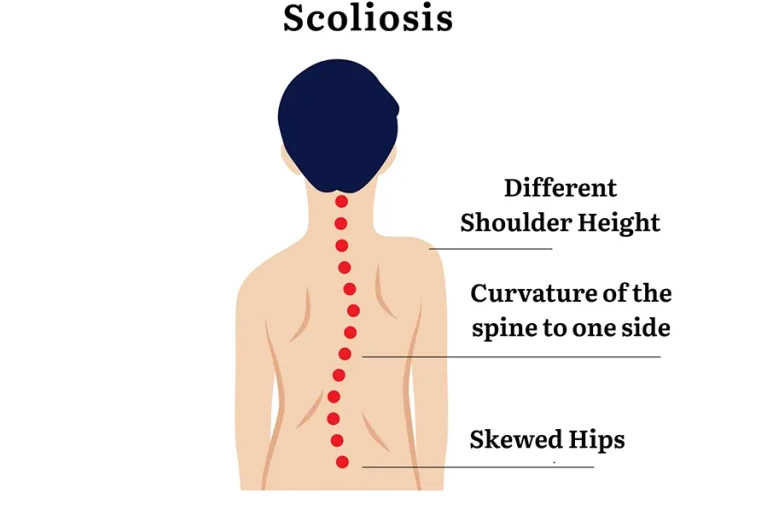
The disorder known as scoliosis, which typically manifests in infancy or adolescence, causes the spine to bend laterally in an “S” or “C” shape. In addition to back pain in certain situations, it can create unequal shoulders, hips, or posture. It can be modest to severe. More noticeable curvature may require bracing, physiotherapy, or, in rare circumstances, surgery, but the majority of minor cases just need routine monitoring. Early identification is crucial because prompt treatment can enhance overall spinal alignment, mobility, and quality of life while also preventing the curvature from getting worse. Back pain and incorrect posture are two symptoms of scoliosis. Treatments for this issue, often identified during adolescence, include physical therapy, braces, and surgery.
Use the cobra pose to combat scoliosis
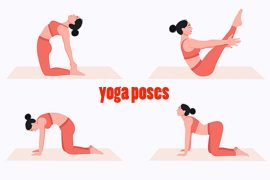
According to a chiropractor, if you sit in a chair and find it difficult to touch both sides of the floor without experiencing pain, you should perform spinal mobility stretches. Scoliosis can be effectively treated with the cobra stance exercise. His suggested exercises are available here:
According to Healthline, the cobra stance has several advantages, including lowering inflammation, easing lower back discomfort, and enhancing posture and sleep.
Scoliosis types
Idiopathic, congenital, and neuromuscular scoliosis are the three forms of the condition.
The most prevalent kind of scoliosis is idiopathic, which has a hereditary component and runs in families. At birth, congenital scoliosis is identified. It results from improper vertebral growth during embryonic development.
Anomalies in the muscles and nerves supporting the spine are the cause of neuromuscular scoliosis.
Scoliosis causes
Scoliosis can result from a variety of factors, such as a genetic mutation, spinal trauma, a tumor on your spine, a disorder affecting your muscles or nerves, or a vertebral deformity during embryonic development.
Scoliosis complications
Long-term pain, physical deformity, organ damage, nerve damage, arthritis, spinal fluid leaking, and breathing difficulties are all possible outcomes of scoliosis.
Although scoliosis is often asymptomatic, symptoms may appear as you age and your spine deteriorates naturally. A medical expert can help you manage your symptoms if they begin to bother you.
See also: A cancer doctor offers five morning routines that lower the risk of cancer and enhance long-term health: “20 to 30 minutes of…”
Scoliosis can change how your body looks, depending on how far your spine bends. This could have a negative impact on your emotional well-being. Most cases of scoliosis are discovered during adolescence. At this stage, many children are eager to begin playing team sports and engaging in athletic programs. As a parent or caregiver, you might be curious about what activities are safe for your child.
Fortunately, playing sports won’t make your scoliosis worse. In fact, doing exercises that promote flexibility and core strength may help your child’s problems.
Disclaimer:
The information contained in this article is for educational and informational purposes only and is not intended as a health advice. We would ask you to consult a qualified professional or medical expert to gain additional knowledge before you choose to consume any product or perform any exercise.