
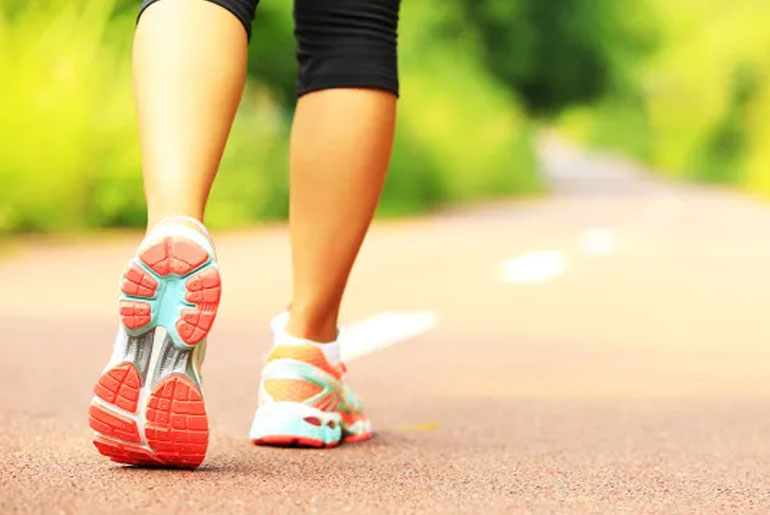
Fitness experts now rank walking as one of the most underappreciated ways to burn fat, although it is frequently disregarded in favor of strenuous workouts. It is long-term sustainable, low-impact, and available to nearly everyone. Walking fits effortlessly into daily life and promotes consistent calorie burning, hormonal balance, and metabolic health, in contrast to high-intensity workouts that can be difficult to sustain. Walking can be an effective fat-loss strategy when done with purpose and proper form.
The Benefits of Walking for Losing Weight
By maintaining the body in a stable aerobic zone, where fat is effectively used as fuel, walking promotes fat burning. It reduces cortisol and other stress hormones, which are frequently connected to persistent belly obesity. Additionally, regular walking promotes everyday mobility without overtaxing the joints, enhances insulin sensitivity, and supports heart health. Above all, it is simple to do on a regular basis, and consistency is essential for losing weight.
1. Brisk Walking: The Basis for Burning Fat
Walking briskly is walking at a speed that causes your heart rate to increase and makes speaking a little challenging. This approach burns more calories while remaining comfortable for 30 to 60 minutes. It is perfect for both novice and experienced exercisers because it increases cardiovascular endurance and motivates the body to use fat reserves.
2. Increasing the Burn with Incline or Hill Walking
Effort is much increased when walking uphill or on an inclined treadmill. It increases heart rate more quickly than flat walking and works the calves, hamstrings, and glutes. This method is particularly useful for fat loss and muscular toning because it strengthens the lower body and burns more calories in less time.
3. Power Walking: Purposeful Speed
Power walking emphasizes upright posture, powerful arm swings, and quicker steps. It increases calorie expenditure by bringing the heart rate closer to the moderate-to-vigorous range. Power walking increases metabolism and endurance over time, enabling the body to burn fat more effectively even when at rest.
4. Using Fat as Fuel for Fasted Walking
When insulin levels are low in the morning, a brisk walk is performed before meals. This promotes the body’s usage of fat reserves as fuel. When done at a moderate intensity and for shorter periods of time, it can be beneficial for seasoned walkers, while it is not appropriate for everyone, particularly those with blood sugar problems.
5. Long, Steady Walks: Regularity Over Vigor
Although long walks at a leisurely pace might not seem strenuous, they do build up. Walking for 60 to 90 minutes increases endurance and encourages long-term fat burning. For those who want mild yet efficient movement, this style is great for active recovery days.
6. Adding Resistance with Weighted Walking
Using a weighted vest or carrying small hand weights makes the task more difficult without accelerating. The exercise works the core and upper body and increases calorie burn. To prevent joint strain, weights should be handled carefully, especially for novices.
7. Interval Walking: Quick Sprints, Significant Outcomes
Faster walking and slower recuperation periods alternate during interval walking. These spikes increase metabolic flexibility and heart rate. Interval walking is a wise choice for hectic schedules because it can increase post-exercise fat burning and burn more calories in less time.
8. Backward Walking: An Unexpected Way to Burn Fat
Walking backwards tests balance and coordination while using various muscles, such as the quadriceps and core. It lowers knee joint stress and raises energy expenditure. This distinctive look promotes fat loss, adds variation, and can increase strength.
In conclusion, the key is to walk smartly. Walking may seem easy, but when done properly, it may burn fat effectively. These eight walking techniques—which range from intervals and backward steps to brisk and incline walking—show that intense workouts are not necessary to lose weight. Making walking a daily habit, being persistent, and selecting the appropriate style for your level of fitness are all crucial. Walking is not just underappreciated but also inexorably effective for reducing body fat and improving general health when done on a regular basis.
Disclaimer:
The information contained in this article is for educational and informational purposes only and is not intended as a health advice. We would ask you to consult a qualified professional or medical expert to gain additional knowledge before you choose to consume any product or perform any exercise.