
Because it can silently harm several organs without causing obvious symptoms, high blood pressure, also known as hypertension, is frequently referred to as a “silent killer.” Persistently high blood pressure strains the cardiovascular system and other organs, leading to long-term problems. Understanding how hypertension impacts the body is crucial for early management and the avoidance of major health problems.
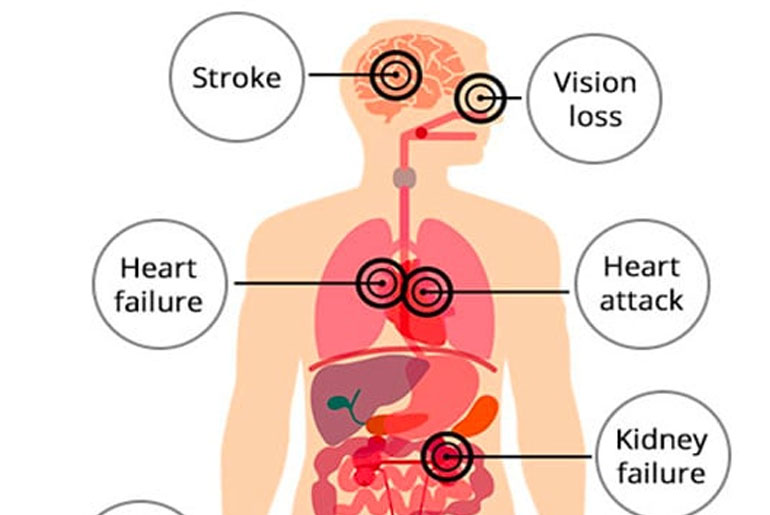
1. Damage to the Heart and Cardiovascular Issues: Hypertension makes the heart work harder to pump blood, leading to heart enlargement, heart failure, and coronary artery disease. The increased workload has the potential to damage the heart muscle, decrease efficiency, and raise the risk of heart attacks over time. One of the main global causes of cardiovascular illness and mortality is high blood pressure.
2. Brain-Related Disorders and Strokes: High blood pressure raises the risk of stroke, transient ischemic attacks (TIAs), and cognitive loss by damaging brain blood vessels. By limiting blood flow and oxygen delivery to brain tissue, hypertension can further exacerbate diseases like vascular dementia by affecting neurological function, memory, and focus.
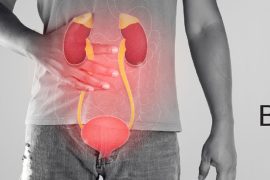
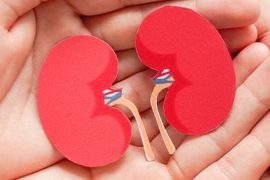
3. Renal disease and kidney damage: Changes in blood pressure have a significant impact on the kidneys. Renal artery damage from chronic hypertension can impair kidney function and result in chronic kidney disease or possibly kidney failure. Because damaged kidneys can worsen the illness by raising blood pressure, this leads to a vicious cycle.
4. Eye damage and vision issues: Hypertensive retinopathy, vision impairment, or even blindness can arise from high blood pressure’s damage to the eyes’ tiny blood vessels. As early indicators of vascular damage in the eyes, people with uncontrolled hypertension may experience blurred vision, eye pain, or other visual abnormalities.
5. Atherosclerosis and Artery Damage: Atherosclerosis, or arterial stiffness and plaque accumulation, is accelerated by chronically elevated blood pressure. In addition to raising the risk of heart attacks and strokes, this also impairs circulation throughout the body, which has an impact on tissues and organs that depend on normal blood flow.
6. Infidelity: Erectile dysfunction in men and diminished libido or sexual satisfaction in women might result from hypertension’s impact on blood flow to the reproductive organs. High blood pressure is a major cause of these issues since it reduces circulation and damages nerves.
7. Bone Weakness and Metabolic Problems: Weakened bones, osteoporosis, and metabolic disorders can result from high blood pressure’s interference with calcium metabolism and hormone balance. Additionally, obesity, insulin resistance, and other metabolic disorders that impact general health are associated with a higher risk of hypertension.
8. Obstetrical Complications: Hypertensive pregnant women are more susceptible to pre-eclampsia, preterm birth, and placental issues. Pregnancy-related high blood pressure needs to be closely watched and managed because it can endanger the health of both the mother and the unborn child.
Conclusion: The Value of Prompt Intervention
Almost all of the body’s major organs, including the kidneys, eyes, bones, heart, and brain, are impacted by hypertension. Although their effects are severe, they are frequently avoidable with early identification, lifestyle modifications, and appropriate medical attention. Aggressive management and routine blood pressure monitoring considerably reduce the long-term hazards linked to this silent illness.
Disclaimer:
The information contained in this article is for educational and informational purposes only and is not intended as a health advice. We would ask you to consult a qualified professional or medical expert to gain additional knowledge before you choose to consume any product or perform any exercise.