
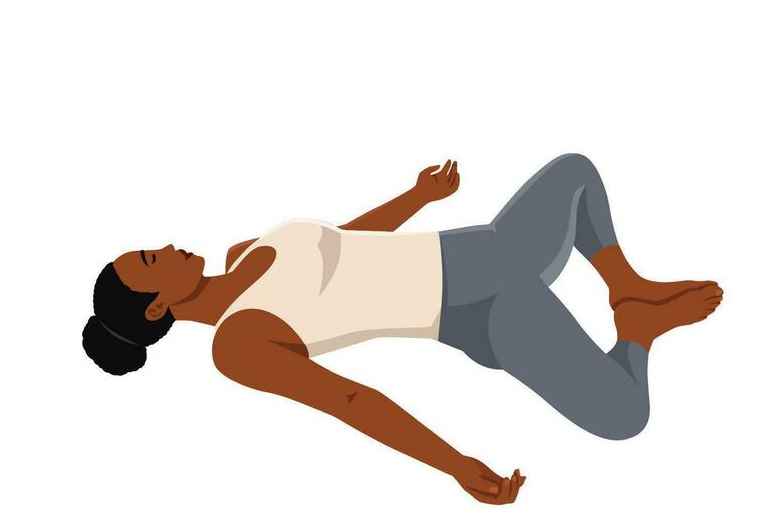
In today’s busy world, hormonal imbalances are a common concern for both men and women. Many individuals these days are turning to natural cures like yoga for hormonal imbalance, even though contemporary medicine offers a lot of options. The reclining bound angle stance, or supta buddha konasana, is a classic yoga practice that is known for its ability to balance hormones. This tranquil but strong pose has you lying on your back with your feet together and your knees bent outwards, like a butterfly. Supta baddha konasana, or the reclining bound angle position, opens up the hips and groin, which makes blood flow to the pelvis better
What does it mean to have a hormonal imbalance?
Hormonal imbalance is characterised by aberrant hormone levels, which may be excessive or insufficient. This might stop a lot of biological processes from happening. A study published in the journal Frontiers in Medicine discovered that hormones, which are chemical messengers made by the endocrine glands, control important activities like sleep, mood, growth, reproduction, and metabolism. Hormones need to be in a very specific balance for the body to work properly. Even small changes in hormone levels can lead to big health problems.

“Hormonal imbalances often affect oestrogen, progesterone, testosterone, thyroid hormones, insulin, cortisol, and growth hormones.” Having too much or too little of these hormones can cause a number of health problems, such as diabetes, which is a condition that affects blood sugar levels, thyroid problems, polycystic ovary syndrome (PCOS), a hormonal disorder affecting women, and menopause, the natural cessation of menstruation. The reclining bound angle posture and the supta baddha konasana are two simple and effective yoga poses for hormone imbalance.
Can supta baddha konasana assist with hormone problems?
Yes, the reclining bound angle posture, or supta baddha konasana, might help balance hormones. It does this by increasing blood flow to the pelvic area, lowering stress, and encouraging relaxation. A study in the International Journal for Modern Trends in Science and Technology says that women with hormonal imbalance problems who do yoga may have lower testosterone levels and feel less anxious and depressed.
What does supta baddha konasana do for hormonal balance?
1. Makes blood flow better
Supta baddha konasana, or the reclining bound angle position, opens up the hips and groin, which makes blood flow to the pelvis better. This improved blood flow is necessary for the ovaries and uterus to work properly. “The ovaries make oestrogen and progesterone, which help control menstrual cycles, pregnancy, and other reproductive processes.” These hormones, on the other hand, affect the uterus, which is a crucial aspect of both the menstrual cycle and pregnancy. Better blood flow to these organs can help keep them well-fed and oxygenated, which will help them work better and make more hormones.
2. Lessens stress
The reclining bound angle posture, also called supta baddha konasana, will help you relax and calm down, which can help you deal with stress and anxiety. When you’re under a lot of stress for a long time, your body releases stress hormones like cortisol, which can throw off the balance of hormones in your body. As stress levels increase, the body’s stress response mechanism, known as the hypothalamic-pituitary-adrenal (HPA) axis, may become imbalanced. These changes can cause problems with hormones like cortisol, adrenaline, and thyroid hormones. “This yoga pose helps to calm the nervous system and lower the production of stress hormones by making you deeply relaxed.” The practice can help balance hormones and improve health in general.
What is the best way to practise the reclined bound angle position, or supta baddha konasana?
- This is a step-by-step approach to doing yoga to help with hormonal imbalances.
- Begin by lying flat on your back on a yoga mat or another comfortable surface.
- Bring the soles of your feet together and bend your knees as much as you can toward your pelvis.
- Slowly allow your knees to fall open to the sides, forming a diamond-shaped formation with your legs.
- Put your arms out to the sides, with your palms facing up.
- Take deep, steady breaths and close your eyes.
- Stay in this posture for 5 to 10 minutes, or as long as you feel comfortable.
Things to remember when doing supta baddha konasana
- If you feel any pain or discomfort, stop the pose right away and go to a doctor or yoga teacher.
- If you can’t do something, you can utilise props like blankets or bolsters to help your body and ease the tension.
- It’s usually a good idea to talk to a doctor before starting a new yoga practice if you have any health problems.
Disclaimer:
The information contained in this article is for educational and informational purposes only and is not intended as a health advice. We would ask you to consult a qualified professional or medical expert to gain additional knowledge before you choose to consume any product or perform any exercise.