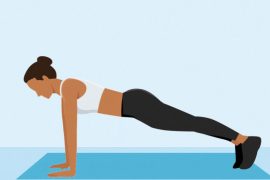

With little progress, many people who begin a calorie deficit in the hopes of losing fat end up feeling exhausted and hungry. In actuality, losing weight involves more than just cutting back on food; it also involves eating wisely, exercising, and recuperating well. A 30-day reset is the ideal time to establish long-lasting habits, reset metabolism, and transition the body from survival mode to fat-burning mode. To help you convert a calorie deficit into actual, noticeable fat loss—without burnout—these 15 guidelines center on diet, exercise, mental health, and recuperation.
Rule 1: Establish a Moderate Deficit in Calories
Severe calorie restriction increases muscle atrophy and slows metabolism. To retain energy and power while promoting consistent fat loss, aim for a 300–500 calorie deficit.

Rule 2: Make Protein a Priority at All Meals
Protein increases satiety and maintains lean muscle. To stay full and promote fat burning, incorporate lean meat, fish, eggs, dairy, lentils, and tofu into each meal.
Rule 2: To strength train three or four times a week
Maintaining muscle aids fat loss. Strength training helps your body burn more calories even when you’re not moving by raising your metabolic rate.
Rule 4: Healthy Fats Are Not to Be Feared
Nuts, seeds, avocado, ghee, and olive oil are good sources of healthy fats that help regulate cravings and support hormones. Complete fat reduction frequently backfires.
Rule 5: Take More Walks Than You May Need
It matters to move every day. Compared to excessive aerobics, taking 7,000–10,000 steps per day enhances fat burning without putting undue strain on the body.
Rule 6: Limit Sugar, Don’t Cut Out Carbs
It’s bad carb choices, not carbohydrates, that pose the threat. Reduce your intake of refined sugar and highly processed foods while increasing your intake of fruits, vegetables, and whole grains.
Rule 7: Consume Fiber to Reduce Body Fat
Fiber stabilizes blood sugar, reduces hunger, and enhances digestion. Every meal should include fruits, vegetables, seeds, and whole grains.
Rule 8: You Can’t Avoid Sleep
Sleep deprivation inhibits fat loss, increases cravings, and boosts cortisol. Throughout the reset, aim for 7 to 9 hours of good sleep each night.
Rule 9: Drink Plenty of Water
It’s common for mild dehydration to feel like hunger. Water consumption improves digestion, metabolism, and athletic performance.
Rule 10: Less Stress Means Less Fat
The body continues to store fat while under prolonged stress. To reduce cortisol levels, engage in yoga, meditation, deep breathing, or peaceful walks.
Rule 11: Don’t Do Weigh-In Every Day
Water, hormones, and digestion all affect scale weight. Measurements, strength, energy levels, and clothing fit can all be used to track development.
Rule 12: Eat Mindfully and Slowly
Overeating results from eating quickly. Slowing down facilitates better digestion and the healthy operation of hunger hormones.
Rule 13: Take Recovery Days Into Account
It is not always preferable to exercise more. Rest days aid in hormone balancing and muscle regeneration, two processes that are critical for fat loss.
Rule 14: Don’t Eat Too Many Fluid Calories
Packaged juices, sugary beverages, and specialty coffees increase calorie intake without providing fullness. Instead, opt for simple coffee, herbal teas, or water.
Rule 15: Don’t be perfect, but be consistent
Consistency is the key to fat loss. One bad meal won’t ruin your progress, but giving up will. Put daily effort ahead of perfection.
In conclusion, How you support your body during that shortfall is crucial because a calorie deficit by itself does not ensure fat loss. The goal of this 30-day reset is to restore strength, balance, and metabolic health rather than to impose restrictions or punishment. You can teach your body to burn fat effectively while preserving your energy, muscle, and mental health by adhering to these 15 guidelines. Continue, have faith in the reset, and allow long-term weight loss to happen organically.
Disclaimer:
The information contained in this article is for educational and informational purposes only and is not intended as a health advice. We would ask you to consult a qualified professional or medical expert to gain additional knowledge before you choose to consume any product or perform any exercise.