
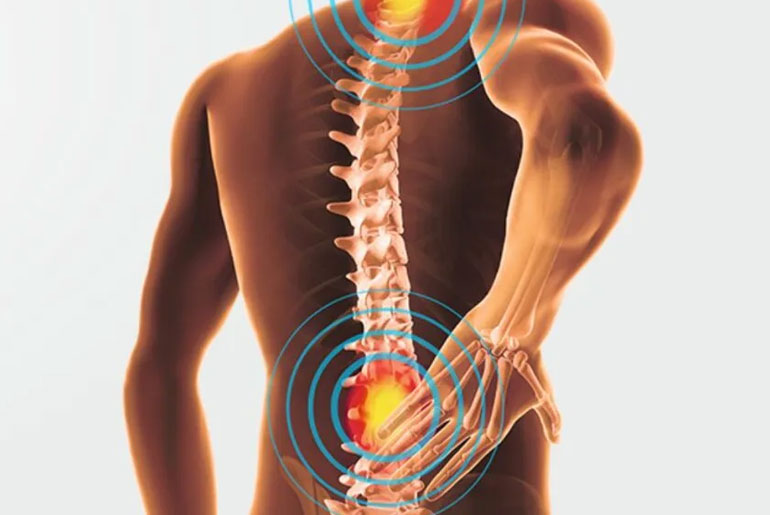
A slip-disc, often referred to as a herniated or prolapsed disc in medical terminology, happens when the soft, gel-like core of a spinal disc presses against surrounding nerves by penetrating its outer shell. Depending on the affected area, this might cause pain, numbness, tingling, or weakness, usually in the neck, legs, or back. Since it aids in symptom management and damage prevention, understanding the injury is the first step toward recovery.
2. The First Stage of Healing: Rest and Pain Control
Reducing pain and inflammation is the first step following a slip-disc. In order to alleviate discomfort, this usually entails taking anti-inflammatory drugs, getting some short-term rest, and applying heat or cold therapy. Although total bed rest is not advised, it is important to move gently and refrain from activities that put undue strain on the spine. By managing pain during this stage, the patient can start a progressive recovery process without making their injuries worse.
3. Medical Evaluation and Intervention
A doctor might suggest imaging tests like MRI or CT scans to assess the degree of disc injury, depending on how severe the herniation is. Conservative measures, including focused workouts, physical therapy, and chiropractic adjustments, are typically given priority. Rarely, surgical procedures like microdiscectomy may be considered if discomfort continues or if neurological issues get worse.
4. Rehabilitation and Mobility
Physical therapy is essential to healing after the acute pain has subsided. Restoring flexibility, strengthening the spine’s supporting muscles, and enhancing posture are the objectives. To lessen disc strain and avoid further injuries, therapists frequently suggest core-strengthening exercises, low-impact aerobic activities, and mild stretching. Frequent guided therapy guarantees the safe relearning of appropriate motor patterns.
5. Muscle Rebuilding and Core Strengthening
For spinal stability, the core muscles—which include the back, pelvic, and abdominal muscles—are essential. Stress on the spinal discs is decreased by strengthening these muscles with exercises including planks, bridges, and focused lumbar strengthening. To restore muscle mass and stability and offer long-term protection against recurrence, gradual resistance training may be implemented under supervision.
6. Ergonomics and Lifestyle Modifications
After a slip-disc injury, lifestyle changes are necessary for recovery. Re-injury can be avoided by maintaining a healthy weight and adopting good posture when standing, sitting, and lifting. Making ergonomic changes at work, avoiding extended periods of sitting, and utilizing chairs and beds that provide support are essential. Regularly engaging in low-impact activities such as yoga, swimming, or walking promotes spinal health even more.
7. A Slow Resumption of Activities
To avoid setbacks, a planned, gradual return to regular activity is necessary. Patients are advised to gradually raise their everyday exercise levels while paying attention to their bodies’ signals. Resuming heavy lifting or high-impact exercises should only be done with a healthcare provider’s approval. Rushing might aggravate the damage or postpone recuperation, so it’s important to be consistent and patient.
8. Emotional and Mental Assistance
Mental health can be impacted by persistent back pain. Techniques like breathing techniques, mindfulness, and meditation can assist in reducing stress and enhancing the quality of recovery. Long-term adherence to treatment and lifestyle modifications is also facilitated by maintaining motivation through progress monitoring, support groups, or advice from rehabilitation experts.
9. Avoidance of Recurrence
It is crucial to prevent further slip-disc injuries, even after they have healed. This entails keeping an active lifestyle, avoiding extended poor posture, using safe lifting techniques, and preserving core strength. Frequent examinations, stretching exercises, and knowledge of spinal health can reduce the chance of recurrence and enhance general well-being.
Disclaimer:
The information contained in this article is for educational and informational purposes only and is not intended as a health advice. We would ask you to consult a qualified professional or medical expert to gain additional knowledge before you choose to consume any product or perform any exercise.