
Many women of childbearing age have polycystic ovary syndrome, which is a prevalent hormonal disease. When the ovaries make more androgens, which are male hormones, than normal, this phenomenon happens. This hormonal imbalance can interfere with ovulation and lead to several symptoms affecting menstrual cycles, metabolism, skin, and mental health. It’s vital to know the early indicators of PCOS, since getting diagnosed and treated early can help avoid problems, including infertility, metabolic issues, and long-term health hazards.
What is PCOS?
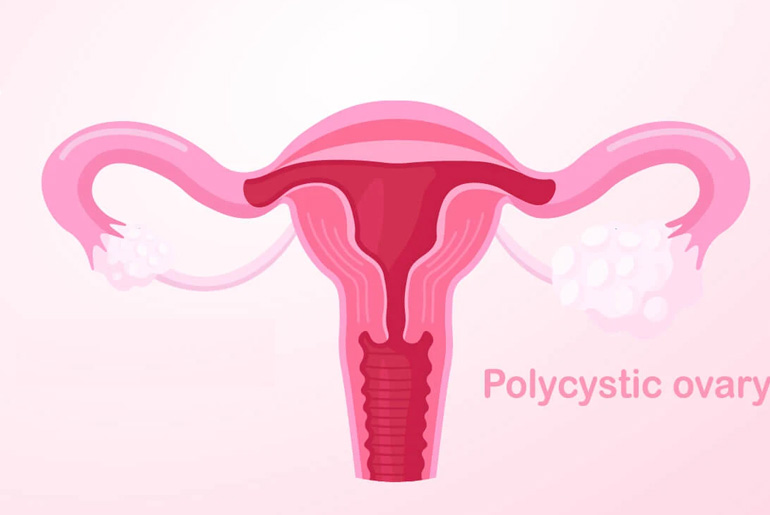
Polycystic Ovary Syndrome is a disorder in which the ovaries may grow many little fluid-filled sacs, or follicles, and not release eggs on a regular basis. This illness is closely associated with hormonal imbalance and insulin resistance. Women with PCOS (Polycystic Ovary Syndrome) may have problems with their metabolism, inconsistent ovulation, and high amounts of androgens, which are male hormones that can affect various bodily functions. PCOS can make you more likely to get health problems, including Type 2 Diabetes, heart disease, and infertility, if you don’t get treatment.
What are the first signs of PCOS?
1. Hormonal Imbalances and Irregular Menstrual Cycles

Irregular or missed periods are one of the first and most prevalent indications of PCOS. Women with PCOS may have fewer periods each year, particularly severe bleeding, or cycles that last for different amounts of time. This condition arises when hormonal imbalances mess up the regular process of ovulation.
2. Higher Levels of Androgens
High amounts of androgens can create physical problems like too much hair on the face or body, thinning hair on the scalp, and harmful acne. These symptoms happen because male hormones change how hair grows and how much oil the skin makes.
3. Gaining weight
Many people with PCOS gain weight for no clear reason or find it hard to lose weight. Hormonal imbalance and insulin resistance can slow metabolism and encourage fat storage, particularly around the abdomen.
4. Dark Spots on the Skin
Dark, soft patches of skin, especially on the neck, underarms, or groin, can be an early symptom of insulin resistance that comes with PCOS. People with metabolic abnormalities often get this illness, which is called Acanthosis Nigricans.
5. Tiredness
Another typical sign of PCOS (polycystic ovary syndrome) is long-term fatigue. Women can feel fatigued or low on energy all the time because of hormonal abnormalities and blood sugar levels that change.
6. Feeling sad
Women with PCOS (polycystic ovary syndrome) may also have mood fluctuations, anxiety, or depression, which are signs of mental health problems. Changes in hormones and physical symptoms can make people feel awful and lower their quality of life.
7. Other Signs
Other signs of PCOS (polycystic ovary syndrome) might be acne, hair thinning or loss, trouble becoming pregnant, trouble sleeping, and stronger desires for carbs due to insulin resistance, which is when the body’s cells do not respond effectively to insulin.
When Should You See a Doctor?
If you have irregular periods that don’t go away, too much hair growth, bad acne, unexplained weight gain, or trouble getting pregnant, you might think about seeing a doctor. A medical check-up early on can help determine whether the symptoms are caused by PCOS (polycystic ovary syndrome) or something else. Timely diagnosis can help prevent complications and improve long-term health outcomes.
What tests are done to find out whether someone has PCOS?
Doctors usually figure out if someone has PCOS by looking at their medical history, doing a physical exam, blood tests, and imaging tests. Blood tests can tell you how much of certain hormones, such as androgens and insulin, are in your body. Doctors may also suggest an ultrasound to look for numerous follicles in the ovaries. Diagnosis usually follows certain clinical criteria that look at hormone levels, menstrual irregularities, and the morphology of the ovaries.
What is the first thing you should do to treat PCOS?
Most of the time, treatment for PCOS is about managing symptoms and getting hormones back in balance. The first step in treatment is frequently to change your lifestyle by losing weight, eating a balanced diet, and working out consistently. In some cases, doctors may prescribe medications to regulate menstrual cycles, reduce androgen levels, or improve insulin sensitivity.
Can polycystic ovary syndrome (PCOS) be fixed if the first signs are treated?
PCOS can’t always be entirely cured, but getting help early can make the symptoms a lot better and help balance hormones. Making improvements to your lifestyle, like eating well, exercising regularly, and managing stress, can help your menstrual cycles and your metabolic health. Managing symptoms early may also reduce the risk of complications like infertility or diabetes.
How to Deal with PCOS for a Long Time
There is no permanent cure for PCOS; however, the appropriate technique can help you manage it well. Long-term management includes following medical instructions, eating a balanced diet, being active, and managing stress. Regular health checkups are also crucial to monitor your hormone levels and metabolic wellness. Many people with PCOS can control their symptoms and live healthy lives if they take care of themselves and make changes to their lifestyles.
Disclaimer:
The information contained in this article is for educational and informational purposes only and is not intended as a health advice. We would ask you to consult a qualified professional or medical expert to gain additional knowledge before you choose to consume any product or perform any exercise.