
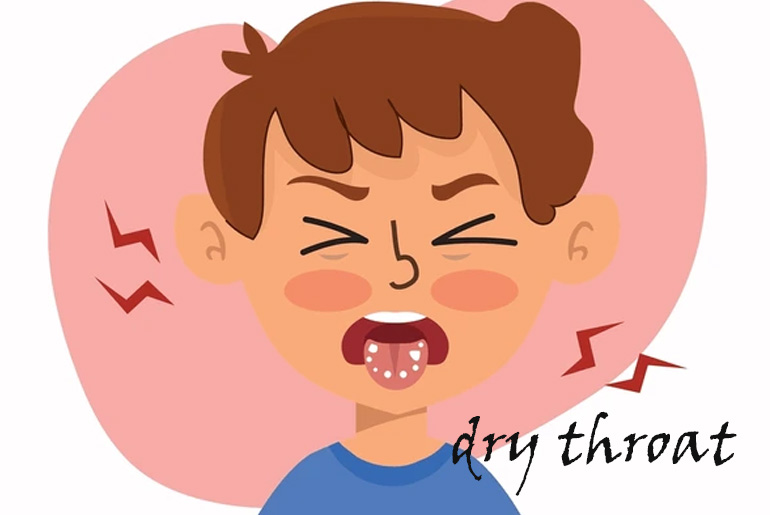
Waking up with a sore or dry throat is hard, but it’s also a sign that something’s wrong. It might be the air we breathe, the way we sleep, or even the chemistry inside our bodies. Understanding the cause of this minor morning struggle can prevent long-term throat irritation or even sleep problems.
During sleep, mouth breathing
Mouth breathing is one of the most prevalent, yet often overlooked, causes of dry throat in the morning. Air rushes straight across the tissues in our throats when we breathe via our mouths rather than our noses when we sleep, drying them out.
Research in the ‘Annals’ states that sleep apnea, nasal congestion, or even a deviated septum are common causes of mouth breathing. Inflammation of the throat and foul breath may result over time.
What is beneficial:
- To keep your airways open, try sleeping on your side rather than on your back.
- To keep the air in your room moist, use a humidifier.
- See an ENT if nasal obstruction occurs frequently. Saline rinses or nasal sprays can help ease
Acid reflux is becoming more noticeable at night
Sometimes stomach acid causes the dryness instead of breathing. Acid refluxing into the esophagus while you sleep might irritate the lining and result in that uncomfortable, dry feeling in the morning.
Up to 20% of individuals with reflux suffer from “laryngopharyngeal reflux,” a type that affects the throat rather than the heart, according to research published in the NIH in 2024.
What is beneficial:
- Don’t eat two or three hours before bed.
- While you sleep, raise your head a little.
- Reduce your intake of fried foods, coffee, and late-night snacking, as they might aggravate reflux.
Dry indoor air and dehydration
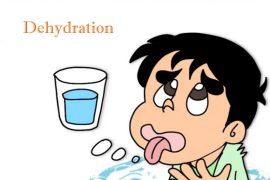
Your throat may feel dry if you don’t drink enough water during the day or if you sleep in a hot or air-conditioned room. At night, breathing causes the body to lose moisture, and the effect is more pronounced in dry air.
Even slight dehydration can lower saliva production, which lubricates and shields the throat naturally, per a study published in ResearchGate.
What is beneficial:
- A glass of water should be kept close to your bed.
- When the months are dry, use a humidifier.
- Consume hydrating foods such as citrus, watermelon, and cucumber.
Undiagnosed snoring or sleep apnea
Sleep apnea, a disorder in which breathing repeatedly stops and begins while you sleep, may be the cause of dryness accompanied by snoring, gasping, or fatigue even after eight hours of sleep. One of the main symptoms is dry mouth.
According to a Frontiers review, persons with sleep apnea are forced to breathe via their mouths because their airways partially collapse. This has an impact on throat health and oxygen levels over time.
What is beneficial:
- Obtain a sleep assessment.
- Nasal strips and weight control can help reduce snoring in mild cases.
- Physicians may recommend medical devices like CPAP for patients with chronic apnea.
Allergies and post-nasal drip
Mucus buildup from dust mites, seasonal allergies, or pet dander can leak into the throat at night, causing dryness and irritation in the morning.
What is beneficial:
- Make sure your bedding is allergy-free and clean.
- In the bedroom, turn on an air purifier.
- Steer clear of aerosol sprays and strong fragrances right before bed.
Side effects of medication
Some drugs, including blood pressure medicines, antidepressants, and antihistamines, decrease saliva production. Overnight, additional dryness results from less saliva.
Hundreds of drugs may cause dry mouth or throat, according to the NIH. Dryness may be caused by starting a new prescription.
What is beneficial:
Make sure your bedding is allergy-free and clean.
In the bedroom, turn on an air purifier.
Steer clear of aerosol sprays and strong fragrances right before bed.
How to maintain comfort in our mornings
Small lifestyle changes, humid air, improved hydration, nasal breathing, and mindful eating practices before bed can all help control morning dryness. However, you should consult a doctor if it worsens or lasts for weeks. Sleep disturbances or thyroid problems are two possible underlying causes of persistent dryness.
Disclaimer:
The information contained in this article is for educational and informational purposes only and is not intended as a health advice. We would ask you to consult a qualified professional or medical expert to gain additional knowledge before you choose to consume any product or perform any exercise.