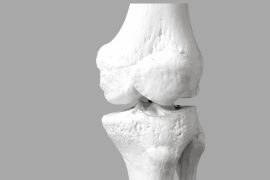

Millennials—those in their 20s, 30s, and early 40s—are increasingly reporting joint discomfort associated with vitamin D insufficiency, according to an orthopedic surgeon. Lifestyle issues like poor food, prolonged indoor work hours, sedentary behavior, and less sun exposure are blamed for this trend.
The Significance of Vitamin D
- Bone Health: Calcium is necessary for bone density and strength, and vitamin D aids in the body’s absorption of this mineral.
- Joint & Muscle Function: It lowers the likelihood of musculoskeletal pain and promotes healthy muscle contraction.
- Effects of Deficiency: Low levels can lead to chronic joint discomfort, muscle weakness, osteomalacia, and, in extreme situations, an increased risk of fracture.
The Reasons Millennials Are in Danger

- Indoor Work Culture: A lot of people work long hours in offices, which limits their exposure to sunlight, which is a natural source of vitamin D.
- Screen-Heavy Lifestyle: Spending too much time on electronics frequently takes the place of going outside.
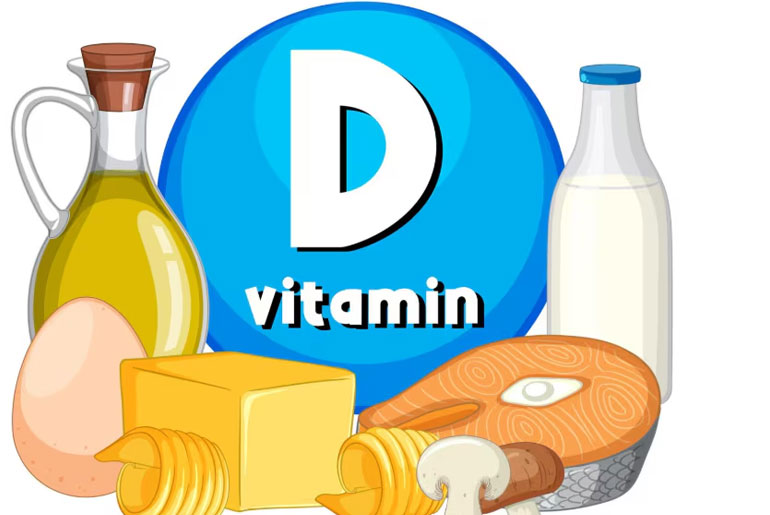
- Dietary Gaps: Foods high in vitamin D, like fatty fish, egg yolks, and fortified dairy products, are often insufficient in many diets.
- Urban Pollution: Excessive pollution in urban areas can hinder UVB ray penetration, which in turn reduces the amount of vitamin D produced by sunlight.
Typical Signs of Deficiency
- Chronic discomfort in the muscles or joints
- Low energy and fatigue
- Weakness in muscles
- Frequent pains or soreness in the bones
- Sometimes, melancholy or mood swings
Strategies for Prevention and Protection
1. Safe Exposure to Sunlight: Two to three times a week, preferably in the morning or late afternoon, expose arms and legs to 10 to 30 minutes of sunshine.
2. Nutrition: Add foods high in vitamin D, such as cereals, fortified milk, yogurt, salmon, sardines, tuna, and egg yolks.
3. Work out: Take part in weight-bearing, muscle-building exercises such as yoga, resistance training, jogging, or walking.
4. Additions: Take supplements as directed by your doctor if a blood test for 25-hydroxyvitamin D shows a deficiency.
5. Modifications to Lifestyle: Avoid excessive alcohol use and smoking, as these behaviors can negatively impact bone health.
Important Takeaway
Due in large part to lifestyle-driven vitamin D insufficiency, millennials are dealing with an early-onset bone and joint health issue. Long-term issues like osteoporosis and chronic pain can be avoided by making little adjustments to one’s diet, activity level, and sun exposure.
Disclaimer:
The information contained in this article is for educational and informational purposes only and is not intended as a health advice. We would ask you to consult a qualified professional or medical expert to gain additional knowledge before you choose to consume any product or perform any exercise.