
Maintaining a healthy lifestyle has become essential in today’s hectic world, yet deciding how to exercise frequently causes controversy. Should you go to the gym or work out at home? Each choice has its own advantages and difficulties. Your objectives, consistency, and personal preferences will determine how effective either is. To assist you in determining which is most effective for you, let’s examine each in greater detail.
Exercises at Home: Convenience and Consistency
1. Flexibility and Accessibility
Exercising at home is quite practical. You don’t have to bother about travel, gym hours, or waiting for equipment when working out. This flexibility frequently improves consistency, the most crucial element in fitness performance.
2. Economical Fitness
Exercise at home reduces the cost of pricey equipment, commuting, and gym subscriptions. Bodyweight training, yoga, and high-intensity interval training are just a few of the beneficial exercises that require little to no cost.
3. Privacy and Comfort
Exercise at home offers a cosy, judgment-free environment. In particular, beginners might feel more comfortable beginning their exercise adventure in privacy.
4. Equipment and Progress Limitations
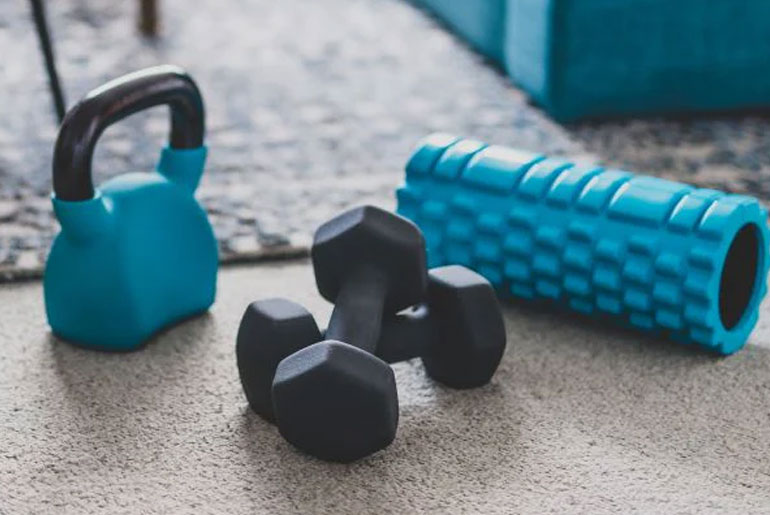
Even if exercising at home is beneficial, they might not have access to large weights and sophisticated equipment. This may restrict progressive loading, which is necessary for gradually gaining substantial muscle and strength.
Goal-oriented and structured workouts at the gym
1. Equipment Access
Numerous machines, free weights, and specialised equipment are available at gyms. This makes training more focused and easier to advance, particularly when it comes to strength and muscle gain.
2. Expert Advice
Trainers are available at many gyms to create personalised training regimens, fix your forms, and assist you in avoiding injuries.
3. An Inspiring Setting
Being around like-minded people in a gym setting can increase motivation and drive you to do better.
4. Cost and Time Considerations
Travel time and membership expenses are necessary for gym training. This may become an obstacle to consistency for some.
Effectiveness: Who Gains?
For Losing Weight
Exercises at home or at the gym can be just as successful at reducing body fat. Maintaining a stable calorie deficit is crucial. Cardio and HIIT exercises at home can be just as effective as those in the gym.
For Gaining Muscle
Because they have access to larger weights and increasing overload, gyms have an edge. However, you can still use resistance bands, dumbbells, and sophisticated bodyweight exercises in your at-home workouts to gain muscle.
For Novices
Beginners can develop a regimen and gain confidence by working out at home. Moving to a gym can assist in accelerating improvement if you’re at ease.
For Extended Consistency
The workout that you can maintain is “the best.” Workouts at home might be more maintainable if going to the gym seems like a chore, and vice versa.
The Best Method: A Hybrid Model
Many fitness gurus advise combining the two methods. For instance:
- Exercise at home on hectic days
- Strength training and advancement sessions at the gym
- This balance optimises outcomes while providing flexibility.
The question of whether workouts at home or in the gym are more effective cannot be answered universally. While clubs offer greater equipment, structure, and prospects for advancement, home workouts are superior in terms of convenience, price, and consistency. Effectiveness ultimately depends on your objectives, level of discipline, and way of living. The secret to success in fitness is consistency, so pick the option that keeps you motivated and on track.
Disclaimer:
The information contained in this article is for educational and informational purposes only and is not intended as a health advice. We would ask you to consult a qualified professional or medical expert to gain additional knowledge before you choose to consume any product or perform any exercise.