
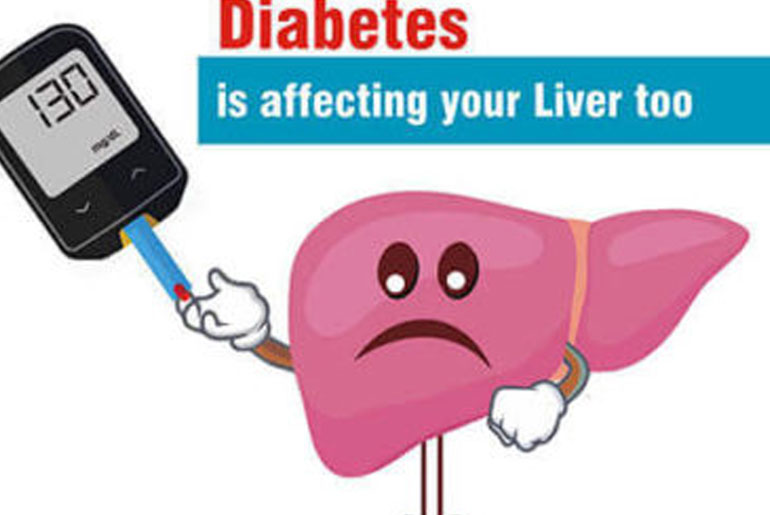
Fatty liver and pre-diabetes frequently coexist and have comparable risk factors, including obesity, insulin resistance, and poor diet. When combined, they have the potential to gradually harm several organs in silence. They have the following effects on the body:
1. Resistance to Insulin and Elevated Blood Sugar
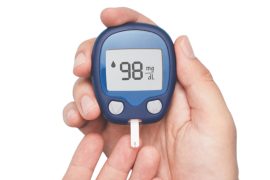
We refer to blood sugar levels that are higher than normal but not yet within the diabetic range as pre-diabetes. Insulin resistance worsens as fatty liver develops. Higher blood sugar levels result from the liver’s inability to control glucose when there is an excess of fat in the liver cells. Because the body finds it difficult to digest sugar effectively, such conditions can eventually raise the chance of developing type 2 diabetes.
2. Accumulation of Liver Fat and Inflammation
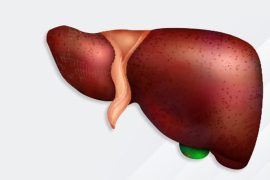
Fat accumulation in liver cells results in fatty liver, sometimes referred to as non-alcoholic fatty liver disease (NAFLD). Steatohepatitis, or damage to the liver cells, and inflammation may result from this. Without treatment, the illness may worsen into cirrhosis, fibrosis (scarring), and reduced liver function. The liver’s impaired capacity to digest lipids, cleanse the body, and sustain energy metabolism impacts overall health.
3. Elevated Risk for Cardiovascular Disease
Unhealthy triglyceride and cholesterol levels are a result of both pre-diabetes and fatty liver. Increased triglycerides, decreased HDL (good cholesterol), and increased LDL (bad cholesterol) are frequently the results of insulin resistance. Over time, this condition raises the risk of atherosclerosis, heart disease, stroke, and high blood pressure when combined with systemic inflammation brought on by a fatty liver.
4. Gaining weight and having an imbalanced metabolism
Central obesity is frequently caused by insulin resistance and excess liver fat, which makes controlling weight challenging. This belly fat exacerbates metabolic imbalance, impacting lipid levels and blood sugar regulation. Fatty liver and pre-diabetes combine to form a vicious cycle that might make lifestyle changes more difficult, but they are crucial for prevention.
5. Weariness, Digestive Problems, and Mild Symptoms
Many patients who have fatty liver and pre-diabetes may feel lethargic or drowsy or have digestive issues. A fatty liver slows down fat metabolism, while blood sugar fluctuations can lead to mood swings and exhaustion. Regular screens and blood tests are essential for early detection because the early stages are frequently silent and have few visible signs.
6. Risk of the Progression of the Disease
Fatty liver can lead to non-alcoholic steatohepatitis (NASH) or possibly cirrhosis, and pre-diabetes can turn into type 2 diabetes if left untreated. Additionally, these disorders raise the risk of long-term health problems, including cardiovascular consequences.
7. Changes in Lifestyle Are Important
Prompt management can correct or control both fatty liver and pre-diabetes. Improved insulin sensitivity, decreased liver fat, and lowered long-term health risks can be achieved with a balanced diet low in refined sugar and saturated fat, frequent exercise, weight control, and abstinence from alcohol. Early lifestyle adjustments are crucial to prevent major issues.
In conclusion, it is crucial to modify one’s lifestyle
The positive news is that changing one’s lifestyle can largely reverse pre-diabetes and fatty liver. Insulin sensitivity can be improved, liver fat can be decreased, and long-term consequences can be avoided by a balanced diet, regular exercise, weight control, avoiding alcohol, and cutting back on sugar and processed carbohydrates. Early action is essential to prevent major health repercussions.
Disclaimer:
The information contained in this article is for educational and informational purposes only and is not intended as a health advice. We would ask you to consult a qualified professional or medical expert to gain additional knowledge before you choose to consume any product or perform any exercise.