
Numerous factors, such as excessive alcohol consumption, obesity, and poor diets high in processed foods, sweets, and unhealthy fats, can induce liver damage. In addition, drugs, toxins, autoimmune diseases, and viral infections like hepatitis B and C can cause liver damage. Long-term use of certain medications can also affect the liver’s ability to filter toxins and carry out critical metabolic processes, which can have serious long-term effects on general health.
Are herbal drinks a true liver detoxifier?
Certain liver detox drinks make numerous claims, but there is no proof that they truly eliminate toxins. The liver spontaneously eliminates toxins from the body without the need for special beverages. There is no concrete proof that herbal drinks will repair liver disease, even though they may occasionally be healthy in low doses. Instead, eating a well-balanced diet full of fruits and vegetables is much more advantageous.
Can lifestyle choices reverse liver damage?
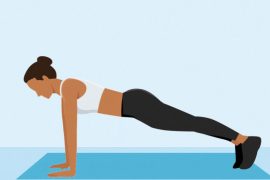
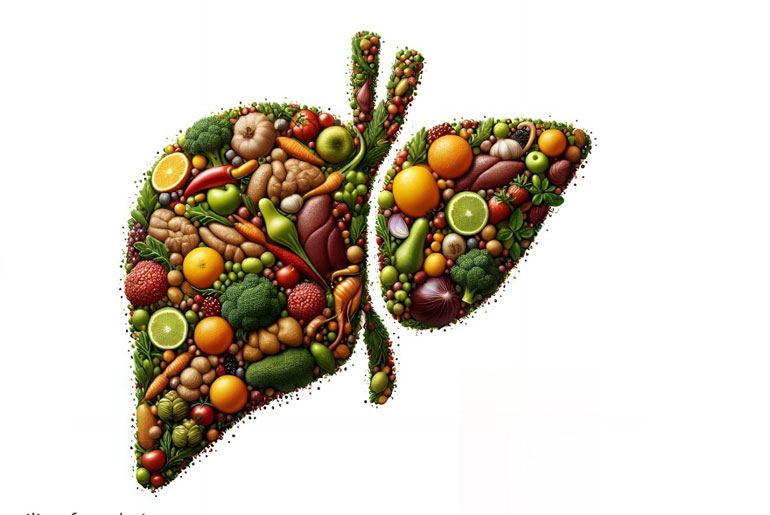
According to scientists, the liver has a remarkable capacity for self-healing, but only if damage is identified early and the appropriate lifestyle adjustments are made. A balanced diet that is high in fruits, vegetables, and whole grains and low in processed foods, refined sugar, and saturated fats is the first step toward recovery. Regular exercise, at least 30 to 40 minutes of aerobic activity every day, helps maintain a healthy weight and enhances liver function, while staying hydrated aids in detoxifying. Avoiding drinking and controlling underlying diseases like diabetes and high cholesterol are equally crucial. The liver can repair more effectively when stress-reduction practices like yoga, meditation, and getting enough sleep are incorporated. Prevention and care go hand in hand when it comes to this important organ since it is possible to repair early liver damage and restore long-term liver health naturally with simple, consistent modifications.
There are no blaring alerts from your liver
Your liver is a silent workhorse that supports digestion, controls metabolism, detoxifies your blood, and handles nutrients. However, the symptoms of liver failure are frequently mild and simple to ignore. It’s critical to recognize the early warning signals of liver disease since doing so greatly increases the likelihood that damage will be stopped or reversed before it worsens. Health organizations, including MedlinePlus, the US CDC, and the National Institute of Diabetes and Digestive and Kidney Diseases (NIDDK), suggest that early warning signs could be subtly alerting you to problems with your liver’s health.
Constant weakness and exhaustion
Persistent fatigue or general weakness is one of the most prevalent early signs of liver damage. Even if you’re eating healthily and getting enough sleep, you may still feel exhausted if your liver’s detoxification and metabolic processes are impaired. One of the first signs of cirrhosis, according to the NIDDK, is “feeling tired or weak.” Fatigue is often dismissed due to its lack of specificity. However, it merits consideration when paired with other signals on this list.
Digestive disturbances: nausea, appetite loss, and weight loss
Your liver is essential for both digestion and the metabolism of nutrients. Therefore, when it’s under stress, symptoms may include nausea or vomiting, unexplained weight loss, loss of appetite, and even a dull pain or discomfort in the upper right abdomen. For instance, it might be more than just a diet adjustment if you find yourself missing meals because you’re not hungry anymore or if you’re losing weight without attempting to lose it.
Color changes in the skin, eyes, urine, and stool
Bilirubin and other waste products can accumulate as liver failure worsens, leading to noticeable changes:
- Jaundice is characterized by a yellowing of the skin and eye whites.
- Clay-colored feces or dark urine are signs of poor bile processing or flow. Pruritus, or itchy skin, is brought on by an accumulation of bile salts beneath the skin.
These symptoms, such as “I’m dehydrated” or “my skin is just dry,” can occasionally appear insignificant or be misinterpreted, but they may be an indication of issues with liver or bile function.
Bruising, bleeding, and swelling readily
- Your liver controls fluid balance and makes the proteins required for blood coagulation. When such processes malfunction, you run the risk of getting bruises or bleeding easily (frequent nosebleeds, bleeding gums).
- Fluid retention can result in swelling in the legs, ankles, or abdomen (edema or ascites).
- Once more, these symptoms could develop gradually and be caused by other factors (such as consuming excessive amounts of salt).
However, they should be evaluated if they continue or coexist with other liver-related symptoms.
Mental or cognitive alterations (sometimes known as “brain fog”)
The effect of high toxins (such as ammonia) on brain function is known as hepatic encephalopathy, and it is one of the less well-known early indicators of liver impairment. Confusion, memory loss, difficulty focusing, or changes in mood or behavior are some of the symptoms. It’s time to pay attention if you’ve been writing off symptoms like “I just can’t think clearly” or “I’m unusually forgetful” as being caused by stress or aging, and you also exhibit other liver-warning symptoms.
Who ought to be particularly watchful?
Your chance of liver damage or liver disease is increased if you fit into any of the following groups, making it even more important to be aware of the early warning signs:
- Individuals with metabolic syndrome, obesity, or type 2 diabetes are at a higher risk of developing non-alcoholic fatty liver disease ( NAFLD).
- Alcohol consumption, whether excessive or ongoing, should be avoided.
- chronic viral hepatitis (such as B or C) or liver illness in the past.
- Use of drugs, poisons, or supplements that could affect liver function should always be discussed with a doctor first.
- Individuals who have a family history of liver illness are also considered at risk.Don’t wait for obvious symptoms if you relate to any of them; early screening could have a significant impact.
Lifestyle modifications can help and safeguard your liver
Here are some doable actions you can take right now without having to wait:
- Reduce or stop drinking.
- Reaching and maintaining a healthy weight is crucial, particularly if you are at risk for NAFLD.
- Eat a nutrient-dense diet that is low in processed foods and sweets and high in veggies, whole grains, and lean protein.
- Continue to be physically active because it improves metabolism and lowers liver fat formation.
- By checking drugs for liver side effects, avoiding careless supplement use, and maintaining protective behaviors, you can protect your liver from unnecessary toxins.
- routine checkups—ask your doctor about liver-function screening if you’re in a higher risk category.
When to visit your physician right away
Please seek medical assistance promptly if you notice any of the following:
- Jaundice, or yellowing of the skin or eyes
- Pale stools and dark urine persistently
- Leg and abdominal swelling along with weight gain from fluid accumulation
- new “brain fog,” tiredness, or confusion that cannot be attributed to other factors
- Chronic, inexplicable pain in the upper right abdomen
- Investigate the symptom as soon as possible, even if it seems minor, if it’s new, persistent, or grouped with other symptoms.
Disclaimer:
The information contained in this article is for educational and informational purposes only and is not intended as a health advice. We would ask you to consult a qualified professional or medical expert to gain additional knowledge before you choose to consume any product or perform any exercise.