
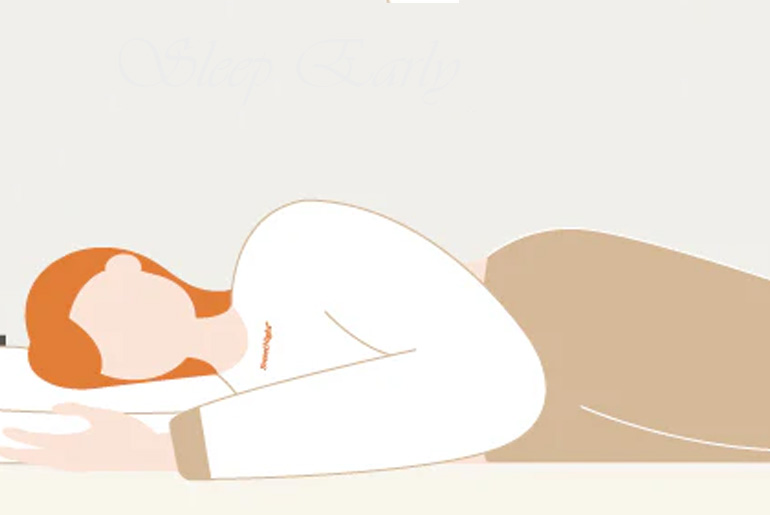
One frequent sleep problem that might make it difficult to get some sleep is insomnia. Jobs, social gatherings, and late-night screen usage can all affect how well you sleep. You must go to bed early if you want to get a good night’s sleep. After all, it is beneficial to both your skin and mental well-being. Don’t wait until midnight to sleep, even though 8 p.m. might be too early for you. It can be challenging to go to bed early if you are a night owl. Nonetheless, carefully adhering to helpful advice and knowing how to go to bed early might be beneficial. To make it easier for you to go asleep, put your phone away and give up drinks that contain caffeine. See some further advice below.
What are the advantages of going to bed early?
Learning to go to bed early is the best thing you can do for your health and wellbeing. The quality of sleep was adversely affected by staying up late.
Here are a few advantages:
- Your body gets enough deep sleep when you go to bed early. This aids in memory consolidation, learning, and problem-solving skills.
- Early sleep reduces stress and mood fluctuations, which improves mental health. According to the expert, “these are possible, as the brain goes through repair mechanisms during deep sleep cycles.”
- Early bedtimes are physically beneficial for heart health. According to the specialist, “it helps by maintaining healthy blood pressure and avoiding cardiovascular diseases.”
- Additionally, it sustains metabolism, which balances hunger hormones like ghrelin and leptin to produce a healthy weight.
- By enabling the body to create cytokines—proteins required to fend off infections—early sleep increases immunity.
- Sleeping at night promotes the formation of collagen, which delays the aging process and gives the skin a radiant appearance.
Knowing what time works best for you is the first step in learning how to go to bed early. According to the expert, “the best time to sleep is around 9:30 p.m., since this corresponds with the body’s natural circadian rhythm.”
How can I go to bed early?
Your general health depends on getting seven to nine hours of sleep each night. You can achieve this by learning how to go to bed early.
1. Keep a regular sleep routine
The circadian rhythm, the body’s internal clock that governs sleep-wake cycles, can be regulated by going to bed and waking up at the same time each day. You might want to stay up late on the weekends. However, maintaining a regular schedule will help you fall asleep earlier and reduce disturbances to your sleep pattern.
2. Steer clear of caffeine at night
Energy drinks and liquids like coffee and tea contain caffeine, which stimulates the central nervous system. For this reason, a lot of people like to have a cup of tea or coffee every morning. Caffeine inhibits the brain’s adenosine receptors. According to Dr. Kotaru, adenosine is a molecule that accumulates throughout the day and causes drowsiness.
This mechanism is blocked by coffee, which increases alertness and delays sleep. Drink caffeine-containing beverages as least six hours before bed to prevent disrupting your sleep.
3. Cut down on screen time before bed
Reducing screen time is important when learning how to go to bed early. According to the expert, “blue light emitted by gadgets like laptops, tablets, and cell phones inhibits the generation of melatonin, the hormone responsible for sleep.” A minimum of one hour before going to bed, avoid using these devices.
4. Establish a calming evening ritual
Your body can be signaled to relax and get ready for sleep by partaking in calming activities before bed. Stress can be reduced by reading a book or listening to music. Your body temperature can be lowered and your muscles soothed by taking a warm bath. By reducing stress hormones and encouraging restful, deep sleep, meditation can aid in mental relaxation.
5. Steer clear of large meals right before bed
Eating large or spicy meals at night can cause indigestion and pain, which makes it hard to go to bed early. Eating immediately before bed was found to have a negative correlation with sleep quality in a 2011 study that was published in the Journal of Clinical Sleep Medicine. Therefore, avoid going to bed late at night by eating light things like yogurt and bananas early.
6. Limit naps during the day According to the expert, “short naps, around 20 to 30 minutes, can increase alertness and productivity while not interfering with sleep at night.” However, lengthier naps, especially in the late afternoon, may change your body’s circadian rhythm and make it harder to go to bed early. Thus, taking quick afternoon naps is a crucial part of learning how to sleep early at night.
7. Avoid working out late
Indeed, exercise lowers stress and enhances the quality of sleep. However, it can be challenging to go to bed early if you engage in strenuous activities in the evening. Exercise in the late evening may increase adrenaline and heart rate, making it harder to fall asleep. The specialist advises trying to get some moderate exercise at least three to four hours before bed.
8. Control your tension
Stress from family or professional issues can keep you awake at night. According to the expert, “some of the practices that help you relax and sleep better are deep breathing and mindfulness meditation.” Writing down your thoughts in a journal or notebook before bed may also help you decompress. One of the most important things you can do to learn how to go to bed early is this.
9. Get some daylight exposure
Your bones and sleep-wake cycle both benefit from natural light, especially in the morning. According to the expert, “sunlight increases serotonin, a hormone that promotes melatonin synthesis at night.” Remember to spend at least half an hour outside each day as you learn how to go to bed early.
10. Just sleep in your bed
Your everyday routines help your brain form associations. Your brain associates your bed with wakefulness rather than sleep if you use it for eating, working, or watching TV. According to the expert, “reserving your bed exclusively for sleep strengthens its bond with rest, making it simpler to fall asleep when you lie down.”
11. Cut back on alcohol consumption
Alcohol has a detrimental effect on the quality of your sleep in addition to making you feel exhausted. Alcohol prevents you from falling asleep deeply, which increases your vulnerability to sleep disorders. As you learn how to go to bed early, keep this in mind.
If you are not accustomed to going to bed at nine o’clock at night, you should attempt to learn how to go to bed earlier by following some easy guidelines. Your health depends on getting at least seven hours of sleep, which can be achieved by going to bed early.
Disclaimer:
The information contained in this article is for educational and informational purposes only and is not intended as a health advice. We would ask you to consult a qualified professional or medical expert to gain additional knowledge before you choose to consume any product or perform any exercise.