
High cholesterol is referred to as a “silent condition” because it typically doesn’t show any signs until major health issues like heart disease develop. Your nails may be one of the body’s subtle indicators; nevertheless, in some situations. Changes in nail growth patterns, colours, or textures could be indicative of lipid imbalances associated with elevated cholesterol or poor circulation. These symptoms may indicate an internal issue, but they are not definitive.
Warning Signs of High Cholesterol in the Nails
Yellowish Discolouration of the Nails
Sometimes lipid deposits or impaired circulation are linked to a yellow hue in the nails. Elevated cholesterol can cause fatty materials to build up in various body regions, which may have an impact on the look of nails. Persistent discolouration should not be disregarded, even though there may be other reasons for yellow nails.

White or pale nails
Pale nails could be a sign of decreased oxygen or blood flow to the nail bed. Elevated cholesterol can lead to the accumulation of plaque in arteries, which can limit blood flow. Nails may become dull or white as a result, losing their original pink hue.
Nails that are thicker
Unusually thick or rigid nails might be an indication of underlying medical conditions, such as circulation disorders. Blood flow can be hampered by high cholesterol, which over time may alter nail development and structure and cause thickness.
Slow Growth of Nails
While healthy nails grow steadily, slower growth may indicate inadequate oxygen and nutrition delivery. When blood vessels are impacted by cholesterol, the nails may receive fewer vital nutrients and grow more slowly than usual.
Cracked or brittle nails
Reduced blood circulation and vitamin deficit may be associated with brittle nails that split or shatter easily. By limiting the delivery of essential nutrients required for healthy nail development, high cholesterol can indirectly contribute to these problems.
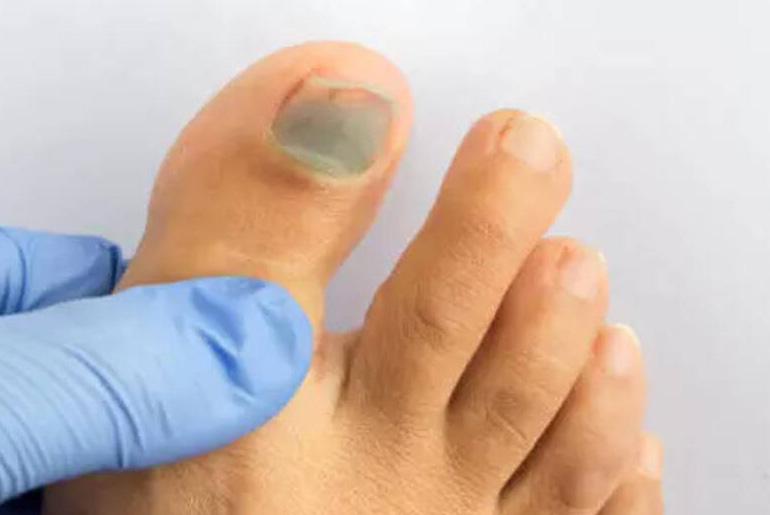
Under the nails, dark lines or discolouration
Dark streaks or unusual discolouration under the nails sometimes indicate vascular problems. Although there are many possible causes for these lines, impaired blood flow brought on by high cholesterol may be one that needs to be evaluated by a physician.
Round or Clubbed Nails
Nails that curve downward and have rounded or bulbous tips are referred to as clubbing. Chronic blood oxygen deprivation is frequently linked to this illness. This alteration may occasionally be caused by impaired circulation associated with elevated cholesterol.
What Causes Nail Changes?
High cholesterol can cause atherosclerosis, or the accumulation of plaque in arteries. This limits blood flow, which lowers the amount of oxygen and nutrients that reach tissues, including the nail beds. Your nails may eventually show these changes.
Important Information
High cholesterol is not the only cause of these nail problems. They could also be brought on by:
- Inadequate nutrition
- Infections with fungi
- Thyroid conditions
- Additional heart-related issues
It’s crucial to see a doctor and get your lipid profile checked if you observe unexpected or persistent changes in your nails.
How to Control Elevated Cholesterol
Consume a diet rich in fruits, vegetables, fibre, and heart-healthy fats.
- Engage in regular exercise
- Steer clear of smoking and binge drinking.
- Keep your weight in check.
- Observe medical instructions and take prescription drugs as directed.
Although tiny indicators, such as changes in your nails, may offer early signals, high cholesterol is frequently undetected. Clubbing, yellowing, brittleness, and slow growth can occasionally be signs of poor circulation brought on by cholesterol accumulation. These indicators should not be disregarded even though they are not conclusive. Your heart health can be greatly protected by early identification and lifestyle modifications.
Disclaimer:
The information contained in this article is for educational and informational purposes only and is not intended as a health advice. We would ask you to consult a qualified professional or medical expert to gain additional knowledge before you choose to consume any product or perform any exercise.