

Heavy equipment and a gym membership are not necessary for developing muscle strength. The correct actions, a calm environment, and consistent effort can make a big difference. Because they enable control, concentration, and safe advancement, indoor exercises are effective. Carefully performed, these exercises strengthen joints, muscles, and balance. These indoor workouts promote genuine strength increases rather than shortcuts.
1. Squat slowly while pausing
Squats are a common exercise, but they change completely when you slow them down. After four seconds of lowering the body, rise up after pausing for two seconds at the bottom. Without the use of additional weights, this delay makes muscles work harder. Strengthening is facilitated by the prolonged duration of strain on the thigh, hip, and glute muscles. Safety can be increased, and depth can be guided by a chair behind the body.

2. Hand-release push-ups
Release your hands on the floor for a brief moment at the bottom of push-ups rather than hurrying through them. Each representative becomes honest as a result, and momentum is eliminated. The core, arms, shoulders, and chest all work together. Before moving on to complete push-ups, knees can remain on the ground. Compared to rapid repetitions, this minor adjustment increases upper-body strength more quickly.
3. Single-leg stands supported by walls
Strength is more than just having large muscles. Joint control and balance are also important. Calves, hips, and core muscles are tested when standing on one leg with minimal wall support. Stability strength is developed by holding the position for 20 to 40 seconds. With time, strength increases subtly but noticeably, and less wall support is required.
4. Bridges of glutes with hold
The posterior, which often remains weak from prolonged sitting, is trained with glute bridges. Lift your hips and maintain the highest position for five seconds while lying on the floor with your knees bent. This hold activates the lower back and glutes. In addition to supporting daily activities like walking and lifting, strong glutes shield the spine.
5. Shoulder taps and a floor plank
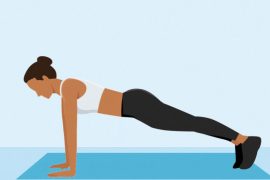
Planks are popular, but they become more difficult when slow shoulder taps are added. Without shifting your hips, tap one shoulder at a time while in the plank posture. This activity strengthens both the shoulders and the deep core muscles. Many hurried reps are less effective than a small number of regulated ones. Here, strength lowers the chance of injury and enhances posture.
6. Placement of controlled lunges
Slow forward lunges improve leg coordination and strength. To avoid needless strain, move forward and then back to the same location. Maintaining an upright chest and controlling movement equally works the quadriceps, hamstrings, and glutes. Additionally, this exercise improves balance, which promotes the long-term growth of strength.
Disclaimer:
The information contained in this article is for educational and informational purposes only and is not intended as a health advice. We would ask you to consult a qualified professional or medical expert to gain additional knowledge before you choose to consume any product or perform any exercise.