
Your weight-loss journey and the quality of your sleep can both be impacted by what you eat at night. Choosing the appropriate foods in the proper portions can really assist heart health, muscle repair, and fat loss, despite the myth that eating at night always results in weight gain. The body stays healthy and metabolically active with regular exercise, mobility, and a clean, balanced diet at night.
Greek Yogurt: A Protein Source That Helps Burn Fat Overnight
Greek yogurt is low in sugar and high in protein, making it a perfect nighttime meal for weight loss. The high protein content promotes muscle repair while you sleep, keeps you full, and lessens cravings in the middle of the night. Additionally, it has probiotics that enhance intestinal health, which is crucial for controlling weight and heart health in general. Selecting Greek yogurt that is simple and unsweetened is a beneficial choice for a clean eating regimen.
Slow-Digesting Protein: Cottage Cheese (Paneer)
Because of its high casein protein level, paneer, often known as cottage cheese, is another great choice for a late-night meal. Because casein digests slowly, it prevents muscle breakdown and supplies a consistent supply of amino acids throughout the night. This makes it particularly beneficial for those who routinely work out. Low-fat paneer promotes fullness, aids in calorie restriction, and adds to a nutritious, well-balanced meal.
Almonds: Healthy Fats in Small Portions
When consumed in moderation, almonds are a great late-night snack since they are high in fiber, protein, and healthy fats. A few handfuls can promote heart health, control blood sugar, and reduce appetite. The key to long-term weight loss is feeling full without overeating, which is made possible by the healthy fats. Because almonds are high in calories, it’s important to watch portion sizes.
Kiwi: Healthy, Light, and Sleep-Friendly
The kiwi fruit is low in calories and high in fiber, vitamin C, and antioxidants. Because of its natural serotonin level, it helps with digestion, boosts immunity, and may enhance the quality of sleep. By controlling hunger hormones, improved sleep directly contributes to weight management. Sweet appetites are satiated by eating kiwis at night without interfering with clean eating objectives.
Chamomile Tea: Calorie-Free Relaxation
A caffeine-free beverage that encourages relaxation and better sleep is chamomile tea. Although it doesn’t burn fat directly, better sleep controls metabolism, lessens stress-induced eating, and promotes weight loss in general. It is a great complement to a healthy nighttime routine because it is also good for digestion and heart health.
Heart Health and Clean Eating Go Hand in Hand
Focusing on nutritious, minimally processed foods that fuel the body without adding extra calories is the key to eating a balanced meal at night. Maintaining consistent energy levels, lowering inflammation, and promoting heart health are all benefits of clean eating. These meals help maintain long-term health when paired with sensible portion sizes.
Exercise and Diet: The Optimal Combination
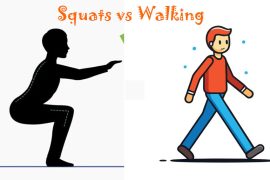
Making healthy eating choices is important, but exercise is also beneficial. Strength training, everyday movement, and regular physical exercise increase metabolism and promote fat loss. A balanced diet and regular weight control can be supported by even small routines like stretching, walking more, or doing some moderate evening movement.
In conclusion, eating the correct foods at night can really help with weight loss rather than hinder it. The ideal ratio of protein, good fats, and soothing elements can be found in Greek yogurt, cottage cheese (paneer), almonds, kiwi, and chamomile tea. These decisions assist heart health, weight loss, and general well-being when paired with a healthy diet, frequent exercise, and an active lifestyle.
Disclaimer:
The information contained in this article is for educational and informational purposes only and is not intended as a health advice. We would ask you to consult a qualified professional or medical expert to gain additional knowledge before you choose to consume any product or perform any exercise.