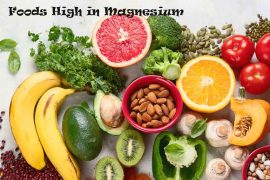


The ancient Indian medical system known as Ayurveda places a strong emphasis on coexisting peacefully with nature. Eating foods that correspond with the changing seasons is part of Ritucharya, or seasonal regimen, which is one of its fundamental tenets. The body’s immunity, digestion, and dosha balance (Pitta, Kapha, and Vata) change throughout the year, according to Ayurveda. Consuming foods that are in season and suitable for one’s needs promotes general health, balance, and disease prevention. The body can automatically adjust and maintain health throughout the year by knowing what to eat—and what to avoid—in each season.
Summertime (Grishma Ritu): Hydrating and Cooling Food
Rising temperatures in the summer exacerbate Pitta dosha and reduce digestive fire. Sweating causes the body to lose fluids, which raises the risk of weariness and dehydration. Ayurveda recommends foods that are light, cooling, and high in water, like fruits, gourds, grains, curd, and buttermilk. Herbs that aid in digestion and cooling the body include fennel, mint, and coriander. Foods high in heat and acidity, such as fried, spicy, salty, and sour foods, as well as alcohol and caffeine, should be avoided.

Varsha Ritu (Monsoon Season): Light and Digestible Foods
The body is more vulnerable to infections and digestive issues during the monsoon season because it disrupts digestion and aggravates the Vata and Pitta doshas. The best foods at this time are those that are warm, freshly prepared, and easily digested. Digestive aids include old rice, steamed vegetables, lentils, soups, and mild spices like black pepper, cumin, and ginger. Because of their poor digestion and increased risk of contamination, raw salads, street food, too much dairy, and greasy or fried foods should be avoided.
Pitta-Soothing Diet in the Fall (Sharad Ritu)
Heat buildup in the body after the monsoon raises Pitta dosha, which impacts digestion, skin, and emotional equilibrium. Pitta is calmed by cooling and gently nourishing foods, including rice, wheat, milk, ghee, and sweet fruits. In moderation, bitter and astringent flavors are also advantageous. Avoid foods that are spicy, sour, fermented, pickled, or contain too much oil because these things exacerbate internal heat.
Winter Foods to Warm and Nourish (Hemant and Shishir Ritu)
Although the digestive fire is at its hottest during the winter, the cold and dryness cause the Vata dosha to rise. To preserve strength and immunity, Ayurveda recommends eating foods that are warming, nutritious, and a little heavy. Nuts, seeds, root vegetables, warm milk, ghee, whole grains, millets, and soups are all very healthy. Avoiding cold beverages, ice cream, too many raw foods, and dry packaged snacks might exacerbate Vata imbalance and impair digestion.

Light and Detoxifying Diet for the Spring Season (Vasant Ritu)
Kapha dosha builds up in the spring, which frequently results in mucous accumulation, allergies, weight gain, and slow digestion. Warm, dry, and light foods aid in body cleansing and Kapha reduction. It is advised to utilize barley, millets, steamed vegetables, raw honey, and spices such as black pepper, ginger, and turmeric. To avoid Kapha-related diseases, one should refrain from eating heavy, greasy foods, sweets, too much dairy, and cold drinks.
General Ayurvedic Food Recommendations for Every Season
Ayurveda promotes consuming locally available foods, in season, and fresh, regardless of the time of year. Warm, freshly prepared meals should be consumed on a regular basis. Avoid overeating, processed foods, and eating before you’re hungry. Throughout the year, improved digestion and nutrient absorption are supported by mindful eating, appropriate chewing, and a relaxed atmosphere during meals.
By coordinating food with the cycles of nature, Ayurvedic seasonal eating is a natural and practical way to preserve health. Eating meals that balance the doshas in each season helps the body adjust to changes in its surroundings more easily, maintain a strong digestive system, and boost immunity. Ayurveda promotes thoughtful, seasonal feeding that promotes long-term wellness and wards off disease instead of rigorous dieting. A straightforward yet effective strategy to maintain your health throughout the year is to eat according to the seasons.
The significance of consuming foods that are in season
Consuming seasonal foods improves immunity, metabolism, mental clarity, and gut health. But seasonal eating shouldn’t be viewed as a set of strict guidelines. It all comes down to awareness. The body stays robust, digestion gets better, and immunity gets stronger when dietary choices are adjusted to the environment. Food is more than simply fuel, according to Ayurveda. When the season is taken into consideration, it is a daily medication.
Disclaimer:
The information contained in this article is for educational and informational purposes only and is not intended as a health advice. We would ask you to consult a qualified professional or medical expert to gain additional knowledge before you choose to consume any product or perform any exercise.