
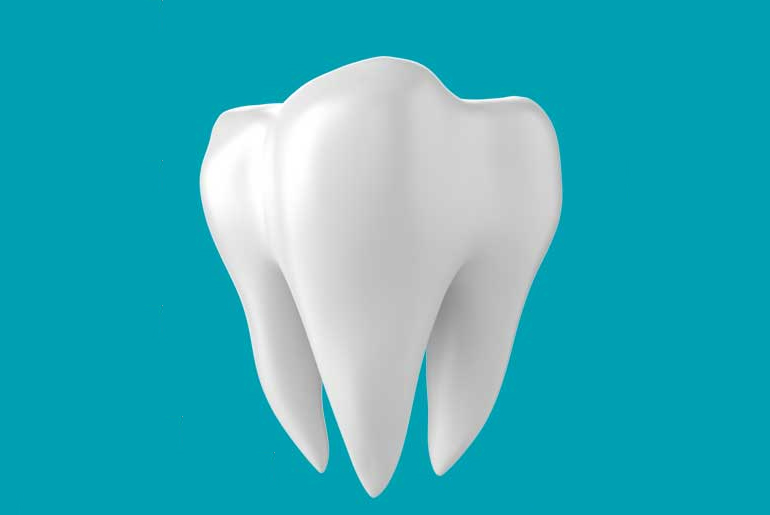
Your oral health frequently provides a window into your general well-being and is more than just a reflection of clean teeth and fresh breath. Many systemic disorders initially manifest as mild symptoms inside the mouth, as dentists and physicians often note. Your tongue might subtly indicate underlying medical concerns long before other symptoms manifest, from odd sores to gum inflammation. By monitoring these early warning indicators, we can promptly diagnose and prevent major illnesses.
1. Periodontitis, or gum disease
Gums that are red, swollen, or bleeding are common symptoms of periodontitis. It might harm the tissues and bones that support your teeth if treatment is not received. This syndrome is associated with systemic inflammation and other chronic disorders; therefore, it’s not just an oral problem.
2. Diabetes
Diabetes may initially manifest as dry mouth, slow-healing ulcers, and recurrent gum infections. The body’s defences against germs are weakened by high blood sugar, which increases the frequency and severity of mouth infections.
3. Heart Conditions
Cardiovascular disease may be linked to symptoms including chronic mouth infections and swollen gums. Dangerous oral bacteria can enter the circulation and increase the risk of heart disease by causing plaque to accumulate in arteries.
4. Inadequate Nutrition
Pale gums, mouth ulcers, a swollen tongue, or cracks at the corners of the lips can all be signs of a deficiency in vital nutrients. Iron, vitamin B12, and other dietary deficiencies frequently show up visibly in oral tissues.
5. HIV/AIDS
Oral symptoms, including painful sores, severe gum infections, and white patches (thrush), can be brought on by HIV/AIDS. Due to a compromised immune system, these symptoms frequently manifest early.
6. Cancer of the mouth
Persistent sores, lumps, or red or white spots in the mouth are possible signs of oral cancer. Another warning indicator is difficulty swallowing or chewing. Effective therapy depends on early discovery.
7. Osteoporosis
Gum recession and loose teeth might result from osteoporosis’s effects on the jawbone. Dental issues become more apparent when bone density declines because it weakens the structures supporting teeth.
Heart Health and Gum Disease Relationship
The connection between gum disease (periodontitis) and cardiovascular disorders is among the most well-known. Gum bleeding and inflammation may be signs of germs getting into the bloodstream, which can lead to artery plaque accumulation. Poor dental hygiene may increase the risk of heart disease, including strokes and clogged arteries, according to studies. Thus, keeping your gums healthy is crucial for both dental hygiene and heart protection.
Oral Warning Signs and Diabetes
The mouth frequently displays early indicators of diabetes. Persistent foul breath, dry mouth, delayed healing of oral sores, and frequent gum infections may indicate elevated blood sugar levels. Diabetes weakens the body’s defences against infections, making the gums more susceptible. Dentists are frequently the first to notice these symptoms, which prompts additional medical testing.
Mouth Changes and Nutritional Deficits
Essential vitamin and mineral deficiencies can be easily detected in the mouth. For instance, pale gums, a swollen tongue, or painful ulcers can result from a deficiency in iron or vitamin B12. Other typical signs include burning in the mouth and cracks at the corners of the lips. These symptoms emphasise how crucial a balanced diet is for preserving dental and general health.
Oral Symptoms of Immune Conditions
HIV/AIDS and other immune-compromising diseases may cause early oral symptoms. These could include odd sores, white spots, or recurrent fungal infections like oral thrush. Weakened immune systems make it difficult for the body to fight off infections, leading to an increase in the frequency and severity of oral abnormalities.
The Effects of Stress on Dental Health
Stress can harm your mouth in addition to your mind. Common stress-related problems include gum inflammation, mouth ulcers, jaw pain, and teeth grinding (bruxism). Long-term stress impairs the immune system, which makes it simpler for mouth infections to arise and progressively get worse.
Early Detection Is Crucial for Oral Cancer
Early indicators of oral cancer may include persistent sores, lumps, difficulty swallowing, or patches inside the mouth. Since these symptoms frequently don’t hurt at first, it’s simple to disregard them. Frequent dental examinations are essential for early detection, which greatly increases the likelihood of effective treatment.
In conclusion, You can tell a lot about your interior health by looking at your mouth. Ignoring oral symptoms might lead to the unrecognised progression of hidden diseases. You can identify any health problems early with regular dental checkups, proper mouth hygiene, and notice of strange changes. You can take proactive measures to live a healthier life by paying attention to what your mouth is telling you.
Disclaimer:
The information contained in this article is for educational and informational purposes only and is not intended as a health advice. We would ask you to consult a qualified professional or medical expert to gain additional knowledge before you choose to consume any product or perform any exercise.