
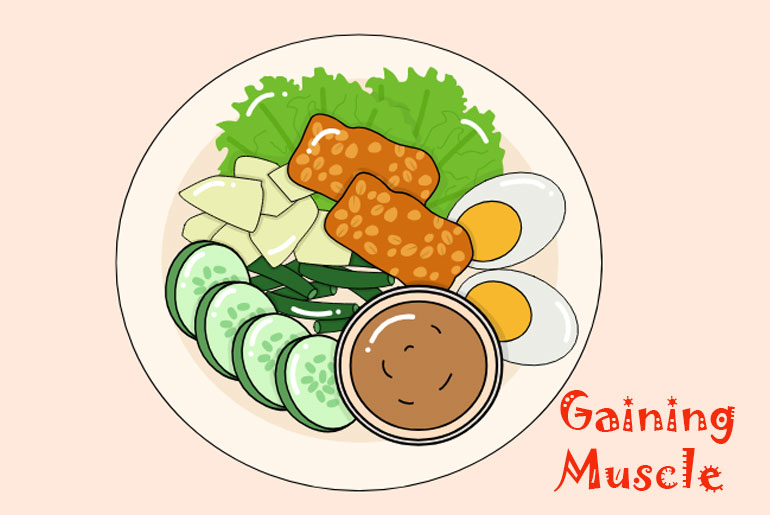
It takes more than just lifting weights and adhering to a strict exercise regimen to gain muscle. Nutrition significantly influences muscle growth, strength, and recuperation. The body needs sufficient amounts of protein, good fats, complex carbs, and vital vitamins and minerals to develop and preserve muscle mass. Including the proper foods in your daily diet increases energy levels, enhances overall physical performance, and aids in the repair of muscle fibres after exercise. Long-term fitness objectives and muscle growth can be greatly aided by including a few easy, nutrient-dense items in your meals.
1. Eggs for Superior Protein
Eggs are among the finest foods for growing muscle because they provide high-quality protein that contains all of the essential amino acids needed for muscle growth and repair. Nutrients including vitamin B12, vitamin D, and healthy fats are also abundant in eggs. Numerous vital elements included in the yolk promote energy generation and hormone balance, both of which are critical for muscular growth and strength training, such as choline and omega-3 fatty acids, which support overall metabolic health and recovery after workouts.

2. Lean Protein from Chicken Breast
It’s common knowledge that chicken breast is an essential diet for anyone trying to gain muscle. It is a great option for gaining muscle mass without consuming too many calories because it is low in fat and high in protein. Protein in chickens promotes the growth of new muscle tissue and aids in the healing of damaged muscle fibres during exercise.
3. Greek Yoghurt for Probiotics and Protein
Greek yoghurt contains both whey protein, which digests quickly, and casein protein, which digests more slowly. This combination aids in giving the muscles a consistent supply of amino acids, which is advantageous for both muscle growth and recuperation. Additionally, it has probiotics that promote gut health and enhance digestion and nutrient absorption.
4. Nuts and Seeds for Healthy Fats and Protein
Nutrient-dense foods like almonds, walnuts, and pumpkin seeds offer fibre, plant-based proteins, healthy fats, and minerals like zinc and magnesium. These nutrients assist hormone balance, muscle function, and post-exercise recuperation. Additionally, nuts and seeds offer long-lasting energy for exercise, which can help sustain endurance and improve overall performance during physical activities.
5. Oats for Long-Term Energy
Oats are a great source of fibre and complex carbs. Fuelling workouts and refilling muscles’ glycogen stores after activity require carbohydrates. Oats promote total muscular growth and assist in sustaining endurance and stamina during exercise sessions by releasing energy gradually.
6. Bananas for Muscle Function and Fast Energy
The natural carbs and potassium found in bananas make them an excellent pre- or post-workout snack. During exercise, potassium helps sustain appropriate muscular contraction and avoids cramping. Additionally, bananas assist in rapidly restoring energy levels following strenuous exercise.
7. Salmon for Omega-3 Fatty Acids and Protein
Salmon is rich in high-quality protein and omega-3 fatty acids. These good fats aid in the body’s reduction of inflammation and promote muscle recovery following physical activity. Additionally, vitamin D, which is important for bone health and muscle strength, is found in salmon.
In conclusion, Consistent exercise and a healthy diet are essential for muscle growth. Essential nutrients included in foods like eggs, chicken breast, Greek yoghurt, nuts and seeds, oats, bananas, and salmon aid in muscle regeneration, boost vitality, and aid in recuperation following physical activity. Achieving muscle-building objectives can be greatly aided by incorporating these basic nutrients into a balanced diet. People can strengthen their muscles, increase their endurance, and improve their general fitness and well-being by combining regular strength exercise with a good diet.
Disclaimer:
The information contained in this article is for educational and informational purposes only and is not intended as a health advice. We would ask you to consult a qualified professional or medical expert to gain additional knowledge before you choose to consume any product or perform any exercise.