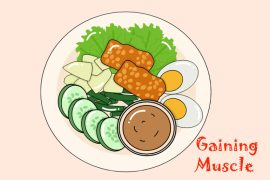

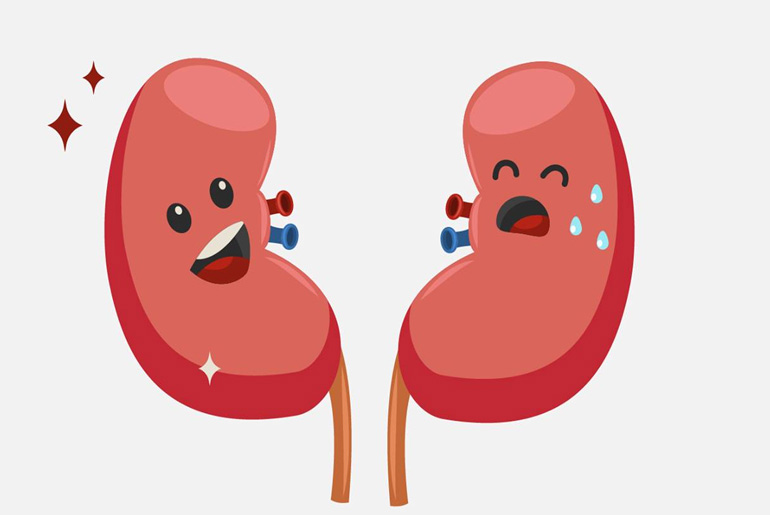
Protein is becoming the most important nutrient for fitness. Many individuals today follow high-protein diets, from folks who work out a lot to others who are trying to lose weight or keep their blood sugar stable. We receive protein from many foods, like dairy, eggs, meat, fish, lentils, nuts, and even whey protein supplements. It is important for growing muscle, healing tissues, boosting the immune system, and staying healthy in general. But as people eat more protein, they also worry more about how it affects their kidneys. Can consuming too much protein really hurt them?
The real issue isn’t protein itself, but eating too much of it over a long time, especially from animal sources high in purines, which can cause hidden changes in the body long before any symptoms appear.
Why does your body need protein every day?

One of the three main macronutrients is protein. It helps cells heal, muscles grow, enzymes make, and infections fight. Most people should eat roughly 0.8 grams of protein for every kilogram of body weight they have. people need about 46 grams, and males need about 56 grams, but athletes and pregnant people may need more.
Animal proteins have all the amino acids your body needs, but they may also have more saturated fat. Lentils, beans, nuts, and whole grains are all plant-based proteins that are good for your heart since they are low in saturated fat and high in fibre.
At what point does protein intake become a concern?
When people eat too much protein for a long time, that’s when the worry starts. Foods heavy in protein, especially those strong in purines, turn into uric acid. The kidneys usually do a good job of filtering uric acid. But if you eat a lot of uric acid or your kidneys aren’t working well, your blood levels of uric acid can go up.
This rise might not exhibit any signs right away. In regular blood testing, slightly higher uric acid levels are often the first warning. Too much uric acid over time can put stress on the kidneys and lead to uric acid stones.
A research study published in the International Journal of Sports Nutrition and Exercise Metabolism (2000) indicated that well-trained athletes who ate a lot of protein did not have any problems with their kidneys. This means that healthy kidneys can tolerate more protein, but each person’s risk factors are different.
How lab testing find signs of early kidney stress
Lab tests are crucial for finding early alterations. The serum creatinine and estimated glomerular filtration rate (eGFR) tests show how well the kidneys are cleaning the blood. You shouldn’t dismiss even minor but steady changes in these signals.
Urine tests provide additional clues. The presence of uric acid crystals, an acidic urine pH, or trace protein may indicate early kidney stress. In some cases, a urine albumin-to-creatinine ratio (ACR) can detect microscopic protein leakage before visible kidney disease develops.
Who is in more danger?
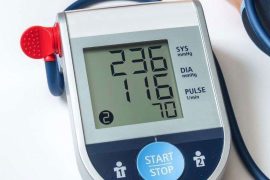
Not everyone reacts to protein in the same way. People who have diabetes, high blood pressure, metabolic syndrome, or a family history of kidney disease may be particularly sensitive to changes in their diet. Testing on a regular basis is quite vital for them.
A single test result after a big dinner isn’t enough. Over time, serial testing gives a better picture of how healthy your kidneys are.
Signs that you might be consuming too much protein
Too much protein can lead to:
- Weight gain, especially from animal sources that are heavy in fat
- Not enough water
- Constipation (if you don’t get enough fibre)
- Breath that smells bad
- Pain or bloating in the stomach
- Tiredness
- Higher chance of getting gout
- Stones in the kidneys
- Sugar is a bigger part of it than protein.
Interestingly, oxidative stress from high blood sugar and insulin levels may hurt the kidneys more than protein does. Over time, diets high in refined carbs and sugar might hurt the capillaries in the kidneys.
Balance is important
Protein is important, but you need to find the right mix. The upper safe limit is usually thought to be 2 grams per kilogram of body weight. After that, the kidneys may have to work harder.
Don’t be afraid of protein; instead, pay attention to how much you eat and drink, and check your health often.
Disclaimer:
The information contained in this article is for educational and informational purposes only and is not intended as a health advice. We would ask you to consult a qualified professional or medical expert to gain additional knowledge before you choose to consume any product or perform any exercise.