
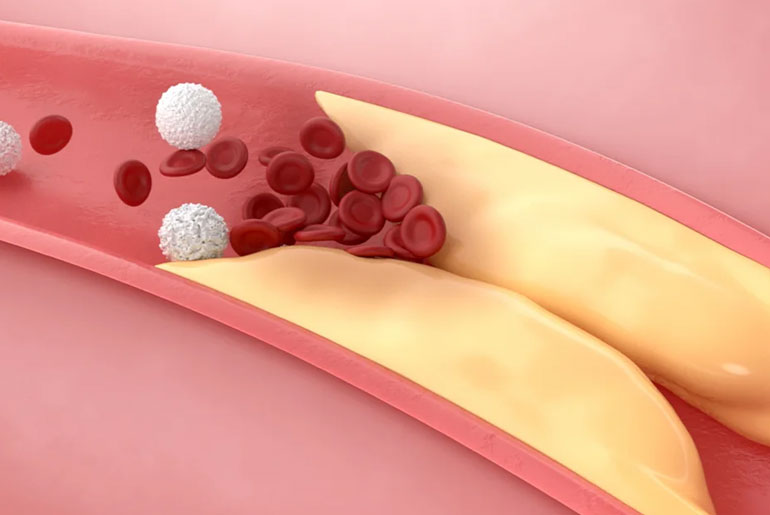
Receiving a high cholesterol diagnosis can be very stressful. It is manageable, though, with the correct lifestyle adjustments and medical advice. The risk of heart disease and stroke is increased by high levels of hypercholesterolemia, yet many patients unintentionally make mistakes after receiving a diagnosis that might impede or exacerbate their condition. You can better manage the health of your heart by being aware of these typical mistakes.
1. Eliminating All Sources of Fat
The removal of all fats from the diet is one of the most significant errors. Not every fat is bad for you. Nuts, seeds, olive oil, and fatty seafood are beneficial sources of heart-healthy fats. Reducing trans and saturated fats is more important than completely eliminating them. In fact, eating the correct kinds of fats in a balanced diet can lower cholesterol.

2. Ignoring prescription drugs
When they start feeling better, some people quit taking their prescription medications. But cholesterol frequently shows no signs at all. Over time, drugs like statins reduce cholesterol and lower the risk of heart attacks. Skipping doses or discontinuing therapy without consulting a doctor might raise the risk of complications.
3. Depending Just on Diet
Although diet is an important factor, it is not the sole one. Other factors that affect cholesterol levels include physical activity, stress reduction, weight control, and sleep quality. Frequent physical activity reduces “bad” LDL cholesterol and raises “good” HDL cholesterol. A comprehensive lifestyle strategy works better than just a diet.
4. Getting sucked into “healthy” packaged foods
Despite being branded as “low-fat,” “cholesterol-free,” or “heart-healthy,” many packaged meals may still include unhealthy oils, processed carbohydrates, or added sugars. It’s crucial to carefully read nutrition labels. Generally speaking, whole foods with little processing are preferable to highly advertised packaged goods.
5. Ignoring Routine Exams
Blood tests are required to check cholesterol levels regularly. Missing follow-up appointments could cause you to put off making required dietary, lifestyle, or medication changes. Regular examinations make it easier to monitor development and make sure the treatment strategy is working.
6. Constantly Worried and Sleep Ignored
Poor sleep and ongoing stress can have a detrimental effect on heart health. Stress hormones may impact blood pressure and cholesterol levels. Sleep deprivation can also interfere with metabolism. A regular sleep schedule, stress management, and relaxation techniques are all crucial components of cholesterol control.
7. Assuming You’re Alright
Usually, high cholesterol doesn’t show any signs until major problems like heart attacks or strokes happen. Being in excellent physical health does not imply that cholesterol is under control. Even in the absence of obvious symptoms, regular care and preventative measures are required.
In conclusion, It takes awareness, consistency, and a well-rounded strategy to manage high cholesterol. Long-term heart health can be significantly enhanced by avoiding typical mistakes, such as eliminating all fats, ignoring medication, depending only on diet, blindly trusting packaged foods, skipping check-ups, ignoring stress and sleep, or assuming everything is good. It is possible to properly control cholesterol levels and lower the risk of major cardiovascular issues with the right lifestyle choices and medication assistance.
Disclaimer:
The information contained in this article is for educational and informational purposes only and is not intended as a health advice. We would ask you to consult a qualified professional or medical expert to gain additional knowledge before you choose to consume any product or perform any exercise.