
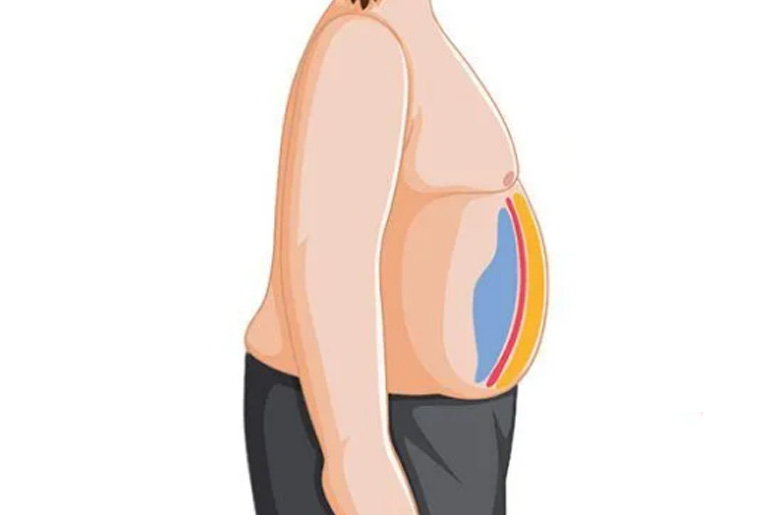
Visceral fat is the deep fat that envelops important organs, including the pancreas, liver, and intestines. Though not usually apparent like subcutaneous fat, it considerably raises the risk of heart disease, type 2 diabetes, and fatty liver disease. The good news is that the proper type of exercise has a particularly positive effect on visceral fat. Short, targeted workouts that train big muscle groups and raise heart rate are frequently more beneficial than long, sluggish workouts. That’s the idea behind this 20-minute at-home workout, which combines constant movement with short spurts of intensity to keep the body burning calories even after the session is over.
First Three Minutes: Invigorate the Core and Lungs
To prepare the lungs, core, and cardiovascular system, the workout starts with mild motions. This warm-up period lowers the chance of injury, increases oxygen supply, boosts heart rate gradually, and prepares the body for improved fat utilization later on.
- Marching in place for 60 seconds while maintaining the chest up, swinging the arms, and keeping the knees high
- Standing torso twists for 60 seconds, turning from the waist instead of the shoulders
- Step jacks or slow jumping jacks for 60 seconds
These easy workouts help muscles and joints properly adjust to increased effort by alerting the body to the impending more taxing task.

Next 5 Minutes: Cardio Flow with Low Impact
This phase is appropriate for both novice and seasoned exercisers since it maintains a high heart rate without putting undue strain on the joints. During this phase, constant activity helps the body to use visceral and other stored fat.
- Two minutes of stationary jogging or brisk walking
- For 90 seconds, alternate forward lunges while cautiously stepping back to protect your knees.
- Side steps and arm swings for 90 seconds
- This cardio flow’s steady pattern increases metabolism subtly while fostering endurance.
Perform short, high-intensity bursts over the next four minutes
Brief, intense periods trigger strong metabolic responses, which are particularly useful for lowering visceral fat. These workouts allow for maximal effort in the least amount of time because they are quick but difficult.
- Rapid squats: four repetitions of 20 seconds of exertion and 20 seconds of rest
- Four sets of 20 seconds of effort and 20 seconds of rest are recommended for mountain climbers.
At this point, your breathing will feel labored. These intensity bursts greatly increase both calorie burn and insulin sensitivity, which are essential for decreasing deep belly fat.
Strength Training with a Core Focus for Four Minutes
Posture, stability, and the body’s capacity to control fat accumulation are all enhanced by strengthening the core. These exercises focus on the deep abdominal muscles that are frequently linked to the buildup of visceral fat.
- Forearm plank: Hold for 30 seconds, then take a 15-second break. Repeat three times.
- For 60 seconds, perform slow bicycle crunches while emphasizing control over pace.
- 60 seconds of standing knee-to-elbow crunches
During this stage, metabolic demand is maintained while functional strength is increased.
Three Minutes Later: Managed Fat Burn
Muscles continue to contract as the workout comes to an end, but the heart rate progressively drops. This deliberate effort supports muscle growth, which is necessary for long-term fat loss.
- For 60 seconds, squeeze the hips at the top while doing glute bridges.
- While keeping the back flat against the wall, perform a 60-second wall sit.
- 60 seconds of gentle bodyweight squats
Without putting the body under undue strain, this portion strengthens and extends the lower body.
Final Minute: Relax and Get Well
The last minute is dedicated to rest and recuperation. Stretching gently and taking deep breaths can help lower stress hormones, which are strongly associated with the accumulation of belly fat.
- Stretch your hips, hamstrings, and lower back.
- Breathe deeply and slowly, breathing through your nose and expelling completely.
This soothing conclusion promotes healing and aids in the nervous system’s restoration to equilibrium.
In conclusion, Despite being undetectable, visceral fat poses major health concerns. Short, planned sessions that incorporate strength, cardio, and short bursts of high intensity are the most efficient approach to address it rather than protracted, grueling exercises. This 20-minute at-home regimen increases heart rate, works big muscle groups, and maintains a high metabolism long after exercise. When done regularly, it can significantly lower visceral fat, enhance metabolic health, and shield the body from long-term illness.
Disclaimer:
The information contained in this article is for educational and informational purposes only and is not intended as a health advice. We would ask you to consult a qualified professional or medical expert to gain additional knowledge before you choose to consume any product or perform any exercise.