
Making sure their kids are eating healthily is a daily struggle for parents. Mealtimes can frequently become hurried or erratic due to hectic family routines, school schedules, and recreation. It might be challenging to regularly provide children a healthy balanced diet since they may miss meals, choose short snacks, or develop fussy eating characteristics. This difficulty emphasizes how crucial it is to establish regular mealtime routines, provide a range of nutritious foods, and teach kids to eat with awareness—all of which are critical for their long-term development and well-being.
1. The Foundations of Development
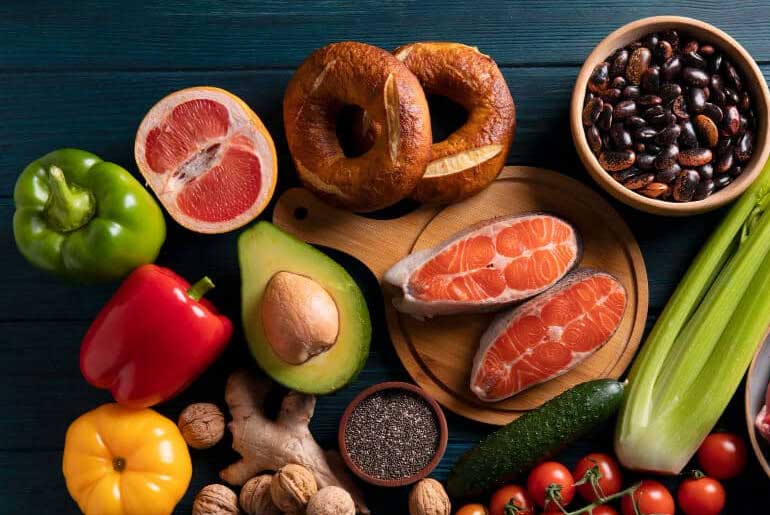
Children who eat a balanced diet receive the vital nutrients they need for healthy physical development. Proteins aid in the growth of muscle and tissue and are present in foods including eggs, dairy, lentils, and lean meats. Calcium and vitamin D are essential for strong bones, and iron ensures proper blood production. Healthy fats aid in hormone regulation and brain development, while carbohydrates supply kids the energy they need for everyday tasks. Children may experience delayed growth, weakened immunity, or other health issues if they don’t get these essential nutrients.

2. Diet and Mental Growth
A child’s diet has a big impact on how their brain develops. Antioxidants from fruits and vegetables, omega-3 fatty acids from fish or flax seeds, and vital vitamins and minerals like zinc, iron, and iodine are all important for cognitive development. Children who eat healthily do better in school and acquire problem-solving skills because it enhances their focus, memory, and learning capacities. On the other hand, behavioral disorders, delayed learning, and attention problems might result from dietary shortages.
3. The Value of Mealtime Routines
Regular mealtimes influence eating habits and general health. Children can develop lifelong healthy habits by being fed various meals, being included in meal preparation, and being encouraged to eat at regular intervals. Children learn patience, table manners, and mindful eating via shared family meals, which also foster social and emotional development. Avoiding too much processed or junk food keeps your nutrient intake balanced and delays the emergence of diseases like obesity.
4. Healthy Digestive Systems and Hydration
Consuming enough water is crucial for healthy digestion, metabolism, and general well-being. In addition to promoting nutrient absorption, staying hydrated helps avoid constipation and urinary tract issues. Consuming foods high in fiber, such as fruits, vegetables, and whole grains, helps to maintain a healthy digestive tract, which in turn makes it possible for kids to absorb vital nutrients. Teaching kids to minimize sugary drinks and regularly drink water establishes healthy hydration habits early on.
5. Finding the Correct Equilibrium
Moderation and diversity are key components of a balanced diet. A child’s diet should include macronutrients such as proteins, carbs, and fats, as well as micronutrients like vitamins and minerals. It’s crucial to watch portion sizes and stay away from unhealthy fats, sugar, and salt. Children learn moderation and healthy choices by balancing decadent indulgences with wholesome meals, which helps them maintain a healthy weight and avoid long-term health issues.
6. A Permanent Effect
A healthy balanced diet has advantages that go well beyond childhood. Early childhood nutrition lays the foundation for long-term physical, mental, and emotional well-being. Developing healthy eating habits during childhood lowers the likelihood of obesity, diabetes, heart disease, and learning disabilities in later life. Parents can help their children develop into healthy, self-assured, and mature people by placing a strong emphasis on nutrition at a young age.
Disclaimer:
The information contained in this article is for educational and informational purposes only and is not intended as a health advice. We would ask you to consult a qualified professional or medical expert to gain additional knowledge before you choose to consume any product or perform any exercise.