
Although it is sometimes disregarded in exercise regimens, flexibility becomes more and more crucial as we get older. Maintaining flexibility not only helps with movement and posture, but it also lowers the risk of injury and increases quality of life in general. Including easy stretches in your daily regimen can greatly improve your body’s range of motion and agility.
A few focused stretches can help you maintain the flexibility and health of your joints and muscles, whether you’re stretching to start the day or relaxing after work. But which stretches are most effective? An expert offers advice on how to maintain your flexibility as you become older.
Stretching is not just about feeling positive; it involves physiological processes that enhance muscle function, joint mobility, and overall physical well-being. She continues by explaining that stretching increases muscle elasticity by lengthening the muscle-tendon unit, increasing flexibility, and decreasing stiffness. It eases movement and reduces the chance of injury by activating mechanoreceptors, which aid in muscle relaxation.

Additionally, stretching increases circulation, which facilitates recuperation by removing waste and supplying nutrients and oxygen. Frequent stretching prevents stiffness in joints by promoting the generation of synovial fluid. For elderly individuals or those with restricted mobility, stretching should be slow and pain-free, with support equipment employed for optimal alignment.
Five stretches that will help you stay flexible as you age
1. Spinal Flexibility with the Cat-Cow Stretch: Through spinal flexion (rounding the back) and extension (arching the back), this dynamic stretch enhances intervertebral disc hydration and expands the vertebrae’s range of motion. By encouraging the generation of synovial fluid in the vertebral joints, the spine’s regulated movement improves joint health and lessens stiffness. Additionally, it engages the deep stabilizing muscles of the core, including the transverse abdominis, which improves posture and lessens lower back strain.
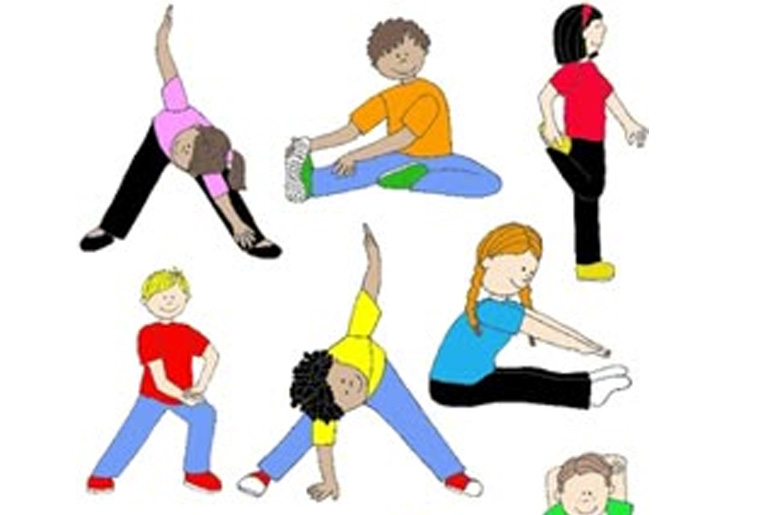
2. Seated Forward Bend (Low Back and Hamstrings): This stretch lengthens the muscles of the posterior chain, which targets the hamstrings, lower back, and calves. It aids in preventing these muscles from becoming shorter as a result of extended sitting. Stretching the hamstrings decreases posterior pelvic tilt, which increases flexibility and eases lumbar spine strain. Lower back pain risk is directly correlated with hamstring flexibility, according to research published in the Journal of Bodywork and Movement Therapies.
The next posture correction exercise is the chest opener stretch, which opens up the chest and stretches the pectoral muscles to counteract the forward-shoulder posture that is frequently brought on by desk jobs and screen time. Shoulders are pulled forward by tight pectoral muscles, resulting in rounded shoulders and discomfort in the upper back. By releasing the tension in these muscles, stretching helps to restore alignment. By increasing blood flow to the upper body, chest stretches help tired muscles receive more oxygen.
4. Flexor Stretch for the Hips (Hip Mobility): The hip flexor stretch lengthens the iliopsoas, which is the muscle group that lifts the thighs. Long periods of sitting might cause tight hip flexors. Lower back pain results from the iliopsoas’s pulling action on the lumbar spine when it shortens. By reducing this strain, stretching helps to realign the pelvis and improve posture. Increasing hip flexor flexibility has been shown to improve walking stride length and balance, two important aspects of aging, according to research published in Sports Medicine.
5. Side Stretch While Standing (Lateral Flexibility): For stability and mobility of the lateral trunk, this stretch works the obliques and intercostal muscles. Breathing ability and thoracic spine mobility are enhanced with side stretches, which lengthen the muscles along the rib cage. A key component of core stabilization is the obliques. By preventing compensatory movementStretching the muscles that may result in injury helps to enhance balance.
Disclaimer:
The information contained in this article is for educational and informational purposes only and is not intended as a health advice. We would ask you to consult a qualified professional or medical expert to gain additional knowledge before you choose to consume any product or perform any exercise.