
Breathlessness, or shortness of breath, can significantly affect daily life and overall well-being. Recognizing its impact, the World Health Organization (WHO) has highlighted a range of management techniques that go beyond medication, focusing on lifestyle and holistic practices. From mindfulness meditation and breathing exercises to activities like singing, these approaches help improve lung function, reduce anxiety, and enhance overall respiratory health. Incorporating such techniques can empower individuals to manage breathlessness effectively, promoting both physical and mental wellness.
1. Breathing Methods to Increase Lung Function
The World Health Organization stresses the value of controlled breathing techniques in treating dyspnea. The breathing rate can be slowed, airway pressure can be maintained, and oxygen exchange can be enhanced by using techniques like pursed-lip breathing, which involves inhaling through the nose and exhaling slowly through pursed lips. Diaphragmatic breathing, on the other hand, emphasizes deep breaths that use the diaphragm as opposed to shallow chest breathing. These methods assist relax the nervous system, improve lung function, and lessen the sensation of suffocation. People with respiratory disorders like COPD, asthma, or even post-COVID respiratory problems can benefit from regular practice.

2. Singing to Strengthen the Respiratory System
Singing is not only a recreational activity; it can also be used therapeutically to treat dyspnea. Singing exercises increase lung capacity, strengthen respiratory muscles, and encourage rhythmic breathing, according to the WHO and respiratory health experts. Additionally, singing promotes extended exhalation, which is especially advantageous for those who suffer from long-term lung disorders. Because music has a relaxing influence on the nervous system, practicing alone or in a group can help relieve anxiety related to dyspnea.
3. Using Meditation and Mindfulness to Reduce Anxiety
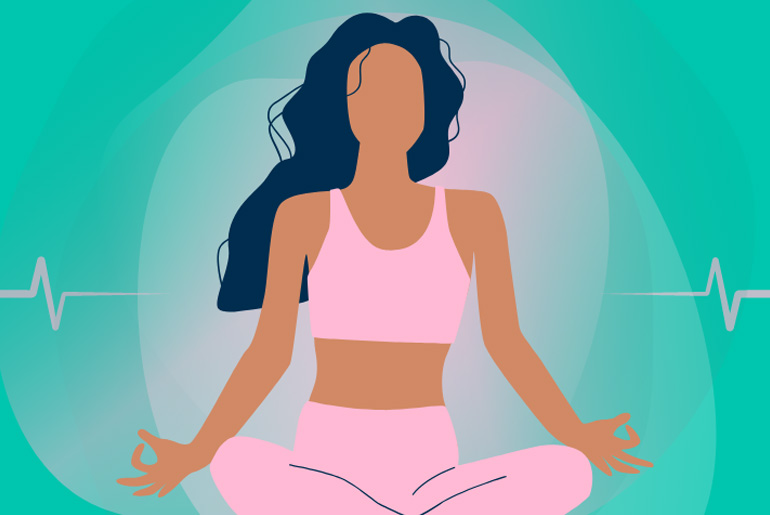
Anxiety, tension, or fear frequently make dyspnea worse. To tackle this component, WHO suggests mindfulness meditation and exercises involving concentrated attention. Methods like body scanning, guided meditation, or just concentrating on your breathing can help lower blood pressure, slow down your heart rate, and lessen the panic reaction that makes breathing harder. Patients can maintain composure even during periods of dyspnea by practicing meditation, which teaches the mind to perceive sensations fearlessly.
4. Movement and Tempo
For individuals who experience dyspnea, the World Health Organization recommends gradual, moderate-intensity physical activity. Breathlessness is lessened indirectly by exercises that increase general muscle and cardiovascular health, such as yoga, walking, and mild stretching. In order to allow the body to adjust gradually without causing acute dyspnea, patients are advised to pace themselves, dividing chores into smaller steps and taking breaks when necessary.
5. Changes in Lifestyle
In order to reduce occurrences of dyspnea, WHO also suggests a number of lifestyle changes. Respiratory strain is decreased by avoiding tobacco, air pollution, and allergies. The strain on the lungs is lessened when one maintains a healthy weight. Maintaining hydration improves airways by keeping mucus thin. The body’s ability to handle dyspnea is further improved by getting enough sleep and using stress reduction practices.
6. Therapeutic Support
WHO recommends pulmonary rehabilitation programs, which frequently combine physical training, education, and counseling, in addition to exercises and lifestyle modifications. These programs offer methodical advice for enhancing lung function, training breathing exercises, and boosting self-assurance in handling dyspnea in day-to-day situations.
In conclusion, treating dyspnea involves a variety of techniques, including mindfulness meditation, therapeutic singing, controlled breathing, frequent light exercise, lifestyle modifications, and expert assistance. When combined, these WHO-approved techniques increase physical capacity, lower anxiety, improve lung efficiency, and provide people the tools they need to effectively manage dyspnea in day-to-day situations.
Disclaimer:
The information contained in this article is for educational and informational purposes only and is not intended as a health advice. We would ask you to consult a qualified professional or medical expert to gain additional knowledge before you choose to consume any product or perform any exercise.