
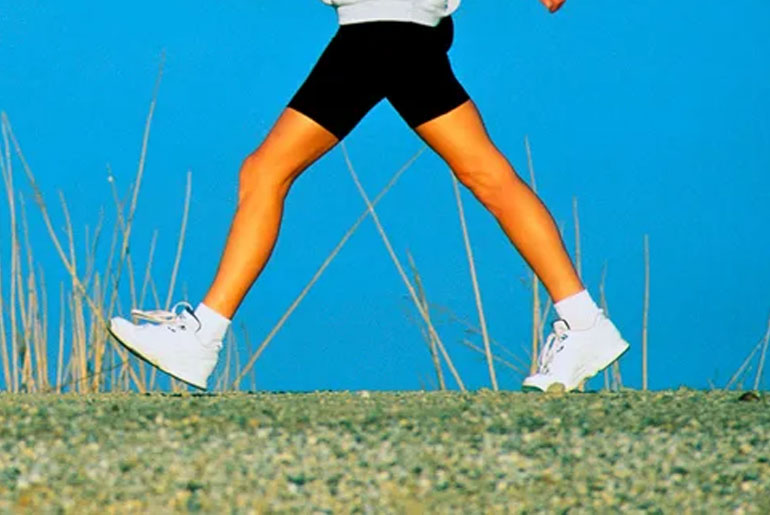
For a long time, walking 10,000 steps a day has been praised as the ideal fitness objective. It is a straightforward but efficient method to maintain an active lifestyle, burn calories, and improve your mood. And what else? Walking feels doable and blends in perfectly with daily life. However, is it really the ideal number for everyone? Not exactly. According to a fitness trainer, walking has many advantages, but doing 10,000 steps a day without rest or balance might occasionally backfire. It may eventually result in joint discomfort, exhaustion, or muscular imbalances. “The goal should be movement that strengthens your body, supports your posture, and fits your lifestyle, not just hitting a number.”
Walking 10,000 steps a day is likely to cause the following 5 adverse effects:
1. Joint strain and overuse injuries: Your knees, hips, and ankles will experience recurrent strain from walking long distances every day, particularly if you are carrying extra weight or are walking on rough concrete. Over time, this may result in knee pain, plantar fasciitis, or shin splints. Instead, to lessen the strain on your joints, use shoes with cushions and walk on softer surfaces like grass or tracks.
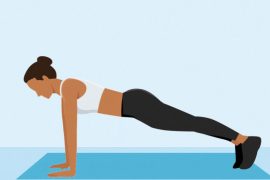
2. Unbalanced muscles: While your upper body and core are underworked, walking mostly works your lower body, which includes your quadriceps, hamstrings, calves, and glutes. “Without strength training, this imbalance can lead to posture issues and weak stabilizer muscles.” For this reason, walking is crucial in addition to core and upper-body activities.
3. A plateau in fitness: After a while, taking the same kind of stroll every day might not produce the same effects. Calorie burn and endurance increases plateau after your body settles into a consistent pace. Try going uphill, changing up your pace, or adding interval-style walks for more challenge to avoid plateauing.
4. Exhaustion: Reaching 10,000 steps might be hard for those with hectic schedules. You may walk too much when your body needs to rest because you’re chasing a number. Fatigue, aching muscles, or a lack of drive for other types of exercises that provide greater overall benefits can result from this.
5. Ignoring other exercises: “A lot of individuals think that walking takes care of all their fitness demands. However, it doesn’t. As you age, skipping strength or flexibility exercises might result in stiffness, muscle loss, and poor balance. Cardio, strength training, and stretching are essential components of a comprehensive fitness regimen.
Disclaimer:
The information contained in this article is for educational and informational purposes only and is not intended as a health advice. We would ask you to consult a qualified professional or medical expert to gain additional knowledge before you choose to consume any product or perform any exercise.