

Most people have an image of spending half the day lifting heavy weights or spending endless hours on a treadmill when they hear the term “staying lean.” However, being fit doesn’t necessarily need residing at a gym. The body can react more intelligently to movement, diet, and lifestyle choices, which can result in a slimmer appearance without requiring tiresome routines. The true secrets are frequently found in the little, deliberate changes that add up to a huge effect over time.
Strength training during extended aerobic intervals
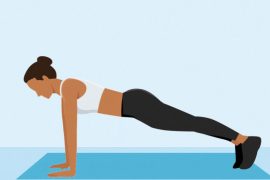
Not only does aerobics burn calories, but lean muscle mass is what gives the body its toned appearance. Bodyweight exercises that target several muscular groups at once, including planks, squats, and push-ups, are examples of brief, targeted strength training. According to research, strength training increases metabolism for hours after an exercise in addition to burning calories during the workout. Three times a week, even 20 minutes of strength training can help shape the body more effectively than an hour of jogging every day.

Micro-exercises that accumulate
It makes no difference to the body if movement occurs in brief bursts or in one lengthy block. According to research on “exercise snacks,” engaging in vigorous movement for five to ten minutes throughout the day can enhance cardiovascular health and aid in weight loss. Metabolic spikes are produced by taking a fast skipping workout in the evening, climbing stairs, or performing 15 squats before lunch. These quick workouts help you stay energized and avoid feeling exhausted from prolonged training sessions.
Pay attention to non-exercise activity thermogenesis, or NEAT
A significant portion of daily caloric expenditure is attributed to routine motions, such as standing rather than sitting, strolling while on the phone, or even fidgeting. We call this NEAT. Increasing NEAT can make all the difference for people who want to seem slender. Without engaging in official “exercise,” a person who walks an additional 3,000–4,000 steps per day typically burns more calories than someone who spends an hour at the gym and spends the rest of the day sitting down. Lifestyle decisions contribute just as much to the development of lean bodies as exercise.
Timing of proteins, not just amount
Consuming protein is important, but when you eat it also affects how lean you stay. Research indicates that maintaining muscle mass, particularly during weight loss, is facilitated by distributing protein intake uniformly between meals. For instance, it is more beneficial to assist muscle regeneration to have 20–25 grams of protein at breakfast, lunch, and supper rather than consuming a large amount at evening. Over time, this well-rounded strategy keeps the body slimmer and stops muscle breakdown.
Recuperation as a technique for fat loss
Stress chemicals like cortisol are frequently elevated by overtraining, which can result in obstinate belly fat accumulation. In fact, recovery through rest days, stretching, and enough sleep speeds up improvement. Typically, 7-8 hours of good sleep maintain muscle mass and enhance fat metabolism. Recovery, not more hours spent in the gym, is often the difference between a body that appears lean and one that appears exhausted.
Disclaimer:
The information contained in this article is for educational and informational purposes only and is not intended as a health advice. We would ask you to consult a qualified professional or medical expert to gain additional knowledge before you choose to consume any product or perform any exercise.