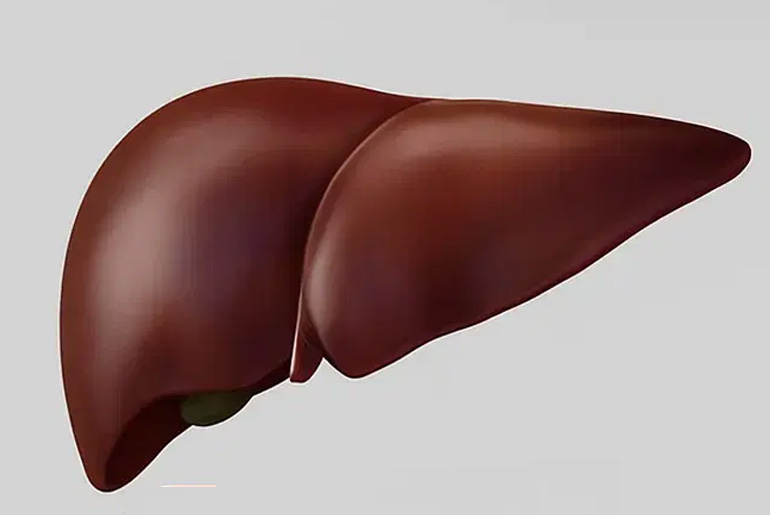

As the body’s main detoxifying organ, the liver is essential for maintaining general health because it filters pollutants, processes nutrients, and controls metabolism. Supporting digestion, regulating hormones, storing vital vitamins and minerals, and producing proteins required for immunity and blood coagulation are all functions of a healthy liver. Fatigue, digestive problems, and serious conditions like cirrhosis or fatty liver disease can result from poor liver health, so it’s important to adopt healthy habits like eating a balanced diet, drinking plenty of water, exercising frequently, consuming less alcohol, and avoiding processed foods and medications in excess.
Protection and cleansing of the liver:
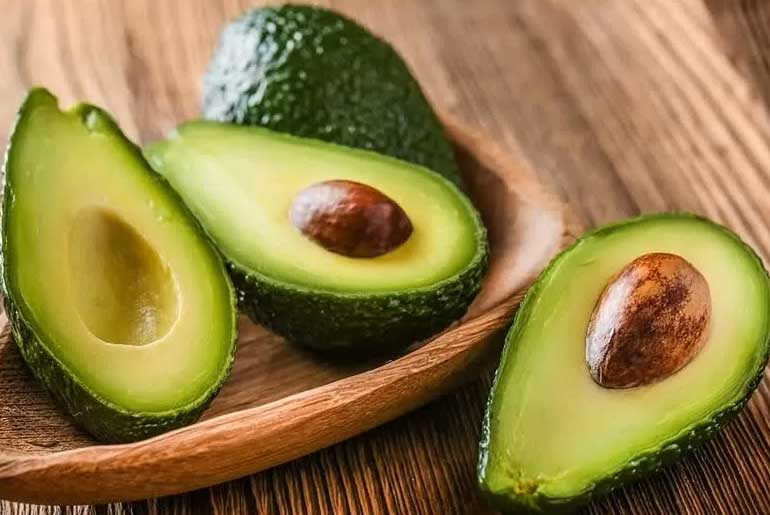
Rich in antioxidants like vitamins C and E, avocados help protect and detoxify the liver by reducing oxidative stress on the liver and neutralizing damaging free radicals. Along with glutathione, a potent antioxidant that helps remove toxins, it also contains good monounsaturated fats that promote healthy liver function. A valuable food for liver health, avocado may help reduce inflammation in the liver, shield liver cells from harm, and encourage general detoxification when consumed regularly.
Heart Health:
Avocado is high in heart-healthy elements like potassium, magnesium, and dietary fiber in addition to supporting the liver. These nutrients increase good cholesterol and lower bad cholesterol while enhancing circulation and blood pressure regulation. In addition to promoting cardiovascular health, avocado’s nutritious fats also reduce inflammation and shield blood vessels. In this way, regular avocado eating can help protect the liver, as well as promote heart health and general well-being.
Support for good digestion:
Avocado’s high fiber content helps encourage regular bowel movements, avoid constipation, and maintain a balanced gut microbiota. Avocado’s soluble fiber aids in the feeding of good gut flora, and its insoluble fiber gives stool volume and facilitates easier digestion. A valuable food for overall digestive health, avocado’s nutritious lipids also aid in the absorption of nutrients.
Highlights of nutrition and adaptability:
Avocado is a nutrient-dense superfood and is rich in important vitamins and minerals, such as potassium, magnesium, folate, and vitamins K, C, E, and B6. From strengthening immune to enhancing skin and hair, its blend of antioxidants, fiber, and good fats promotes general wellness. In addition to its nutritious advantages, avocado is quite adaptable and can be used in a variety of dishes, such as salads, smoothies, spreads, dips like guacamole, and even as a creamy alternative in desserts. This makes it simple to include avocado in a balanced diet.
Disclaimer:
The information contained in this article is for educational and informational purposes only and is not intended as a health advice. We would ask you to consult a qualified professional or medical expert to gain additional knowledge before you choose to consume any product or perform any exercise.