
Many people suffer from chronic back and joint pain, which can significantly affect mobility, posture, and overall quality of life. Japanese walking offers a low-impact way to ease this discomfort by promoting correct body alignment, engaging core muscles, and encouraging gentle, fluid movements that reduce strain on the spine and joints. Its emphasis on mindful breathing and steady pacing improves circulation, flexibility, and muscular support, helping relieve stiffness while preventing further injury. Over time, this practice can enhance physical resilience and support long-term joint and back health.
Japanese walking
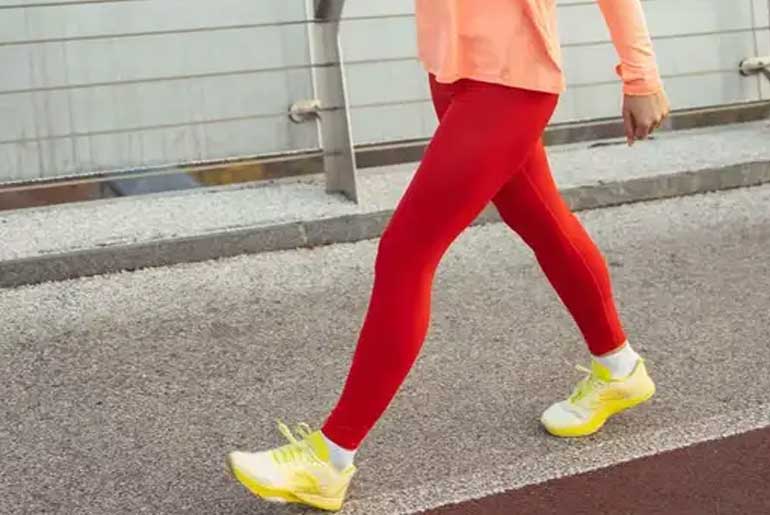
Japanese walking is a gentle, rhythmic walking practice inspired by traditional Japanese health and wellness approaches, focusing on posture, breathing, and mindful movement. Unlike regular walking, it emphasizes keeping the back straight, engaging the core, taking shorter but quicker steps, and synchronizing steps with deep, steady breaths. Often done in natural settings or quiet streets, it aims to improve circulation, joint mobility, and balance while reducing stress. The method promotes overall well-being by combining low-impact physical activity with mindfulness, making it suitable for people of all ages and fitness levels.
Spine and Back Benefits:
- Encourages natural spinal alignment – Walking upright with a gently tucked pelvis and relaxed shoulders helps reduce strain on the lumbar spine and prevents slouching.
- Strengthens core and postural muscles – Activating abdominal and back muscles during walking supports the spine and improves overall stability.
- Improves spinal flexibility – The rhythmic motion of the hips and gentle rotation of the torso promote mobility in the vertebrae.
- Reduces load on the lower back – Correct weight distribution through the feet and legs helps absorb impact, lowering stress on spinal discs.
- Enhances circulation to spinal tissues – Walking increases blood flow and oxygen delivery to back muscles and intervertebral discs, aiding repair and reducing stiffness.
Joint Health Benefits:
- Low-impact movement – The smooth, mindful steps reduce jarring forces on knees, hips, and ankles.
- Promotes balanced weight-bearing – Proper gait prevents uneven joint wear and supports long-term mobility.
- Boosts synovial fluid flow – Regular walking nourishes cartilage and improves joint lubrication.
Disclaimer:
The information contained in this article is for educational and informational purposes only and is not intended as a health advice. We would ask you to consult a qualified professional or medical expert to gain additional knowledge before you choose to consume any product or perform any exercise.