
A fitness coach, frequently posts insightful information about fitness and wellness on her Instagram page. Her material is full of ideas on how to eat healthily, move efficiently, and lead a healthy life, ranging from controlling the symptoms of perimenopause to dietary advice and exercise techniques. Angela wrote on July 26 on the essential routines that have made her stronger and more slender in her forties.
“Perimenopause can feel like your body is working against you. But these 7 habits have helped me stay strong, energised and resilient during this transition,” she wrote. “Declining oestrogen affects muscle mass, bone density, and recovery. These habits work with your changing physiology to maintain strength and energy. The combination of strength training, zone 2 cardio, and intentional recovery creates the foundation for thriving during this transition,” Angela explained.
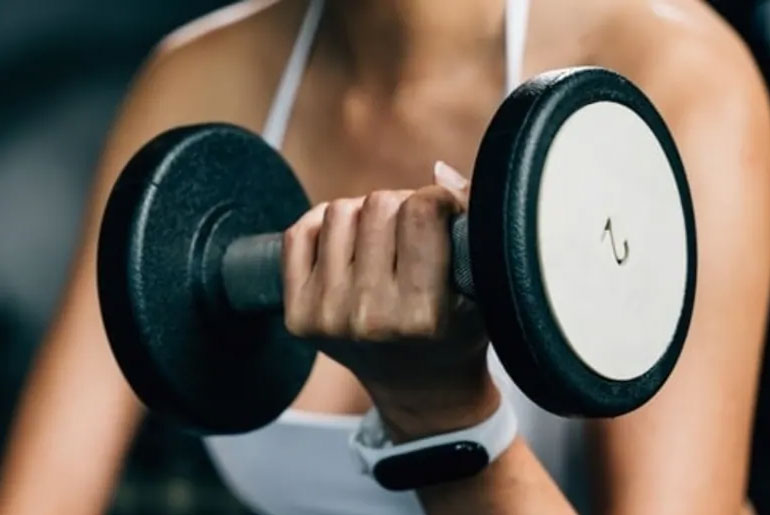
1. Maintain bone density and muscle mass: By lifting weights three to four times a week.
As oestrogen levels fall throughout the perimenopause, both decrease. Strength training should be your first priority if you want to remain active and strong as you age.
2. Perform zone 2 cardio once or twice a week: A low-to-moderate intensity workout that involves 60–70% of maximal heart rate is referred to as zone 2 cardio. Low-intensity exercise, such as brisk walking or cycling, improves motivation, mood, and energy levels while also promoting better sleep.
3. Get between 10,000 and 12,000 steps a day by moving around during the day: Regular exercise improves circulation and vitality. Make walking a priority if you want to age more slowly, heal better, and burn fat more effectively.
4. Consume 30g or more of protein at each meal: Protein aids in hormone production, muscle maintenance, and emotional regulation during hormone fluctuations.
5. Take omega-3s, creatine, and magnesium every day: Omega-3s for inflammation and emotional stability, magnesium for sleep and stress reduction, and creatine for muscular strength and power.
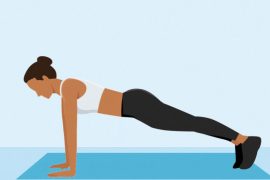
6. Perform HIIT once or twice a week: Your body burns fat more efficiently when you do short, hard workouts. Incorporate HIIT into your program to attack stubborn abdominal fat.
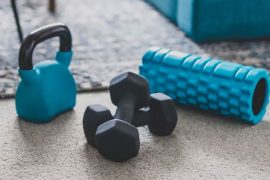
7. Make recuperation a priority by scheduling active rest days: Your body becomes more susceptible to stress during the perimenopause, and it takes longer for muscles to heal. Stretching, yoga, Pilates, and foam rolling all aid in stress relief and better recuperation.
Disclaimer:
The information contained in this article is for educational and informational purposes only and is not intended as a health advice. We would ask you to consult a qualified professional or medical expert to gain additional knowledge before you choose to consume any product or perform any exercise.