
Herbal detox drinks, which promise to cleanse the body and boost health, have become a billion-dollar market in an era of social media-driven wellness trends. These ‘natural’ therapies, however, might be more hazardous than the pollutants they purport to eliminate, according to medical specialists who are now raising the alarm.
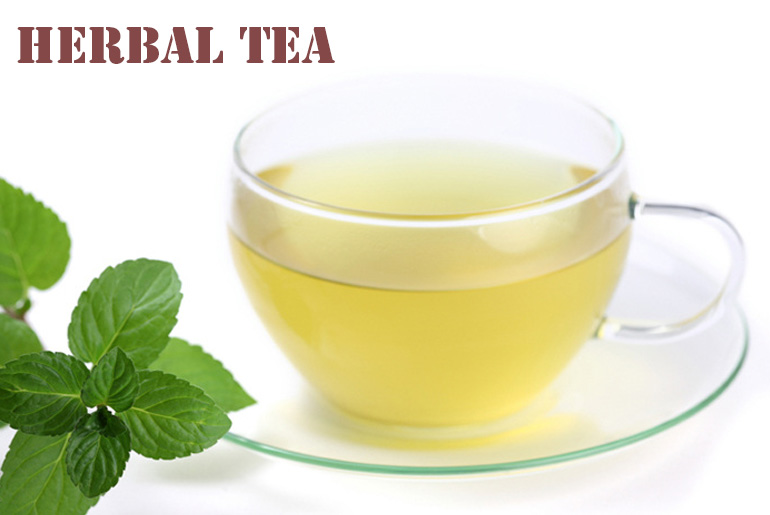
The liver is already an effective detoxification organ by nature. Many people use herbal detox teas in the hopes of clearing their system. These teas promise rapid remedies, but because they are unregulated and contain hidden chemicals, they might exacerbate liver disease.
The “extra burden” of digesting these concentrated herbal substances might cause rapid organ failure in patients with cirrhosis, hepatitis, or fatty liver disease. In summary, if you have a liver disease, follow your doctor’s instructions. Your liver is meant to cleanse your body; you don’t need a tea to accomplish it.
1. Hazardous substances
Pyrrolizidine alkaloids are among the substances that might obstruct hepatic blood vessels or kill cells. Pyrrolizidine alkaloids in comfrey and pulegone in pennyroyal are common components of herbal teas. These substances cause necrosis or veno-occlusive disease, which occurs when the liver’s blood vessels become obstructed due to direct damage to liver cells. Rapid failure results from a person’s reduced capacity to process these toxins if they already have liver problems.
2. Excessive dosages
Additionally, concentrated green tea extracts might cause jaundice and increase liver enzymes. Detox mixtures including green tea extracts include strong EGCG, often exceeding 800 mg per day. Although small amounts of green tea are acceptable, these amounts can be hazardous, increasing liver enzymes and producing jaundice. Such overload increases the likelihood of acute injury in liver patients, who are already under stress.
3. Uncontrolled blends
Blends of dandelion, nettle, senna, and other plants have been connected to cholestatic hepatitis and frequently lack safety testing. Senna, dandelion, nettle, and other herbs are combined in multi-herb detox teas without any safety precautions. As with artemisia annua or yogi detox tea, cases relate them to cholestatic hepatitis, in which bile flow ceases. Results are unpredictable for livers that are compromised by impure or inconsistent dosages.
4. Increased stress on frail livers
Furthermore, a weak liver may be overworked by the dehydration and electrolyte imbalance caused by laxative or diuretic effects. “The liver detoxifies on its own; teas containing diuretics or laxatives dehydrate and upset electrolytes.” This additional strain mimics or accelerates failure by inflaming an already injured organ. Five percent of US adults are at danger from common herbs like turmeric extracts, according to studies showing an increase in herb-induced injuries, according to Dr. Khanna.
5. No demonstrated advantages
There is no proof that detox teas may reverse liver damage; diet and prescription medicine are the only effective treatments. There is no proof that detox teas may reverse liver diseases like cirrhosis. Myths promote them as remedies, but true help comes from medications and food, not fads. In severe situations, transplants were required, demonstrating that the damage outweighed the benefits for susceptible patients. If you have liver problems, doctors advise staying away from these teas completely. Follow doctor’s orders and seek advice before taking supplements. Early inspections identify issues before they become more serious.
The “natural” trap: inadequate supervision
The idea that herbal means safe is a major source of hazard. Frequently, these supplements avoid thorough clinical examination. They cannot be taken at face value. These are plant infusions; some are extremely concentrated, while others can contain chemicals not specified on the label or be tainted with dangerous metals.
Avoid these herbs if you have liver problems
There are numerous common chemicals that seriously jeopardize liver health:
- Green tea extracts: Strong infusions and extracts can be hepatotoxic, although a cup of brewed tea is harmless.
- Ashwagandha: Recently, unsupervised use of this herb has been connected to multiple occurrences of liver damage.
- Kava: Strongly linked to serious liver damage and failure worldwide.
- Acute hepatitis can result from long-term oral ingestion of aloe vera tea.
- Senna: Frequently used to reduce weight, senna strains a delicate liver by causing electrolyte imbalances.
- High concentrations of chamomile’s coumarin compounds can interfere with liver metabolism.
Be wary of trends
Experts agree that therapeutic diets and prescription drugs, not fads, provide liver assistance. Something that might be beneficial to a healthy person can turn dangerous when liver function is compromised. Before beginning any herbal regimen, experts advised patients to speak with their doctor, particularly if they have increased liver enzymes or are currently using long-term drugs.
Disclaimer:
The information contained in this article is for educational and informational purposes only and is not intended as a health advice. We would ask you to consult a qualified professional or medical expert to gain additional knowledge before you choose to consume any product or perform any exercise.