
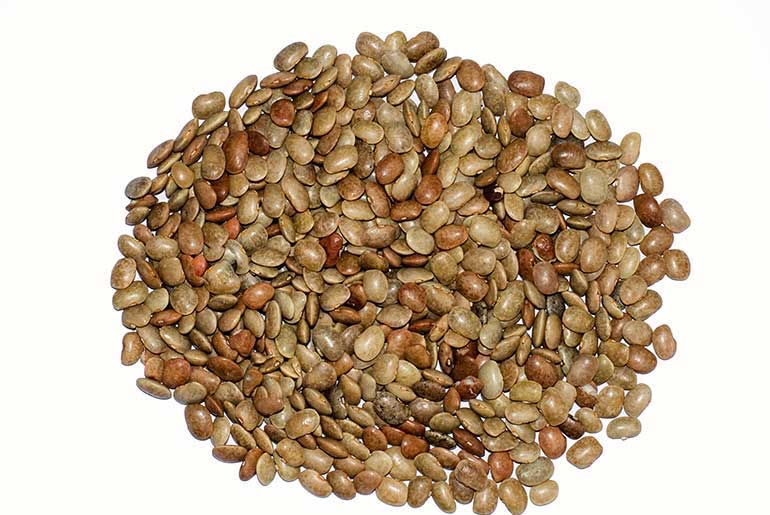
Food is more than simply flavor in the harsh Himalayan winters; it’s about strength, warmth, and survival. Pahadi Gahat Dal, or horse gram, is one such traditional staple that has endured over time. This simple bean, which has deep roots in Himalayan cuisine, is regarded as a winter superfood due to its potent healing qualities, high nutritional content, and warming warmth.
Warming by Nature for Severe Winters
According to traditional wisdom, gahat dal is a garam taseer meal, which means it causes the body to produce heat. Because of this, it is perfect for chilly alpine areas where it is crucial to keep the body warm. Frequent drinking reduces weariness, joint discomfort, and cold-related stiffness—common winter symptoms in high-altitude areas—and enhances circulation.

Packed with Energy and Protein
Gahat dal is a dependable supply of iron, complex carbohydrates, and plant-based protein for those living in isolated Himalayan villages with little food variety. It keeps people active over long, physically taxing winter days with activities like farming, hiking, and housework by providing sustained energy.
Promotes Immunity and Combats Infections
Coughs, colds, and infections are common during the winter. Packed with vital minerals, polyphenols, and antioxidants, gahat dal boosts immunity. It has historically been used to prevent seasonal illnesses and to hasten recovery from illness or weakness.
Fantastic for Detox and Digestion
When cooked correctly, gahat dal, despite its density, helps with digestion. It has a lot of dietary fiber, which promotes intestinal health and aids in the removal of toxins. It is also used in traditional medicine to promote kidney function and is frequently advised for minor urinary problems, which is another reason it is prized in the winter when water intake tends to decline.
Assists in Reducing Inflammation and Joint Pain
Inflammation and joint discomfort can intensify in cold temperatures. Natural anti-inflammatory substances included in gahat dal aid in muscle healing and stiffness reduction. The elderly and anyone doing physical labor in chilly weather will especially benefit from this.
Climate-Resilient and Sustainable Crops
The rough Himalayan landscape is ideal for Gahat. It can withstand severe weather, thrives with little water, and improves soil fertility by fixing nitrogen. Because of its sustainability, it is a vital source of nutrition for mountain communities and fits in well with conventional, environmentally friendly farming methods.
A Treasure of Culture and Cuisine
Gahat dal has cultural importance in addition to being nutritious. It is slow-cooked with regional spices to optimize warmth and digestibility, and it is frequently made as Gahat ki dal, phaanu, or ras. The close relationship between food, climate, and health in the Himalayas is reflected in these recipes, which have been passed down through the generations.
In conclusion, More than merely a winter dish, Pahadi Gahat Dal is a tried-and-true superfood created by nature and custom to support the body under harsh circumstances. It is the ultimate Himalayan winter staple due to its warming impact, high protein content, immunity-boosting properties, and sustainability. Gahat dal stands out as a potent reminder that traditional diets frequently contain the best answers for seasonal health when modern nutrition rediscovers traditional foods.
Disclaimer:
The information contained in this article is for educational and informational purposes only and is not intended as a health advice. We would ask you to consult a qualified professional or medical expert to gain additional knowledge before you choose to consume any product or perform any exercise.