
One of the most popular methods for determining if a person’s weight is healthy is to use their body mass index, or BMI. People are categorized as underweight, healthy, overweight, or obese using the BMI scale. Particularly after the holiday season, when heavy eating causes modest weight gain, many people overlook a little excess weight. However, ignoring even slight weight gain might have detrimental consequences. The heart and other essential organs may be strained by those few extra pounds.
The health hazards of being overweight
To illustrate the negative health effects of even slight weight gain, consider that excess weight increases the risk of heart disease, fatty liver, and type 2 diabetes.
A high BMI or large waist is associated with one out of 10 heart disease deaths. This demonstrates why it can be risky and even fatal to ignore weight growth.
How the heart is harmed by obesity
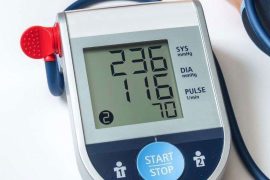
Obesity raises the risk of heart disease by placing additional strain on the heart and blood vessels. Blood pressure and cholesterol levels might rise as fat accumulates around the abdomen.
Effects on the kidneys, liver, and intestines
The heart is not the only organ affected by obesity. It also damages other organs, such as the kidneys, liver, and intestines. Visceral fat, which surrounds internal organs, is very dangerous.
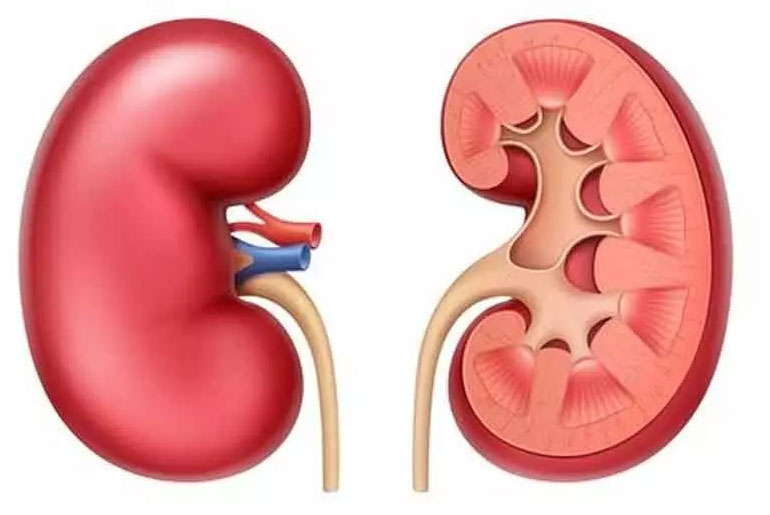
This fat can lead to scarring and edema in the liver. In order to filter blood, the kidneys must work harder, which might harm them over time. Additionally, excess weight alters the balance of beneficial bacteria in the stomach, resulting in inflammation and poor digestion.
Effects of metabolism
The body’s metabolism is also disturbed by excess weight. “Weight gain adds more than just bulk.” Type 2 diabetes may result from the alterations it causes, such as insulin resistance. Cholesterol levels change, blood pressure increases, and chronic inflammation develops.
Beyond BMI
Despite being a widely used tool, BMI does not provide a complete picture. Better measures of abdominal fat, which is strongly associated with metabolic disorders, are waist size or the waist-to-height ratio. Even more precise information can be obtained with sophisticated testing such body composition scans (DEXA, MRI).
Disclaimer:
The information contained in this article is for educational and informational purposes only and is not intended as a health advice. We would ask you to consult a qualified professional or medical expert to gain additional knowledge before you choose to consume any product or perform any exercise.