
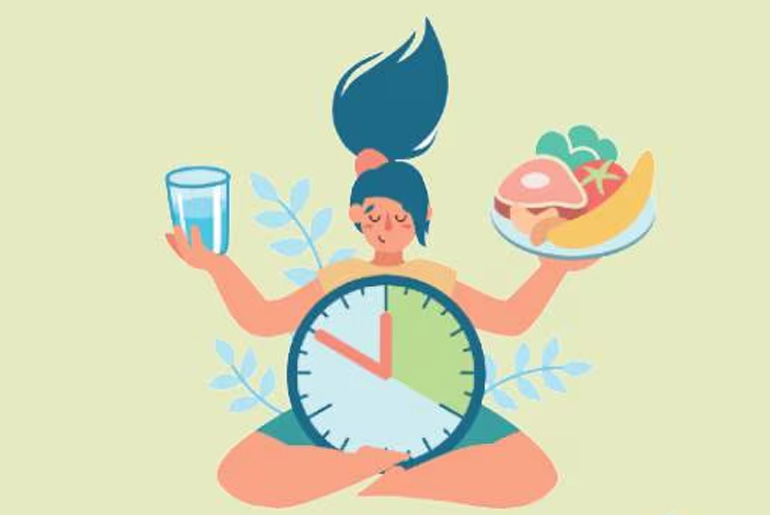
A realistic and long-lasting strategy for enhancing fitness and health is to combine frequent walking with intermittent fasting (IF). Over the course of three months, this combination promotes fat reduction, helps the body adjust to more effective energy use, and improves mental and physical health.
Reduced Body Fat and Better Body Composition
Gradual fat loss is one of the most obvious results. By controlling insulin levels and establishing times of digestive rest, intermittent fasting prompts the body to use fat reserves for energy. Walking on a regular basis enhances the effect by retaining lean muscle mass and raising calorie expenditure. When combined, they can result in a smaller waist, better muscle tone, and a sensation of lightness and increased energy.
Increased Cardiovascular Health and Metabolism
Even when fasting, walking maintains an active metabolism. Without causing high-impact stress, this mild, regular exercise enhances heart health, blood circulation, and calorie burning. Over time, these impacts support long-term health advantages by improving cardiovascular function and metabolism efficiency.
Improved Regulation of Appetite and Digestive Health
The digestive tract can relax and reset during intermittent fasting, which may lessen bloating and improve digestion. It promotes healthy bowel function and better food absorption when paired with exercise, which increases gut motility. Additionally, fasting aids in appetite regulation, which makes it simpler to keep healthy eating habits and refrain from overindulging.
Enhancement of Mood, Energy, and Mental Clarity
Intermittent fasting encourages stable blood sugar levels, whereas regular walking causes endorphins to be released. When combined, they promote better mood, consistent energy levels throughout the day, and mental clarity. As the body adjusts to utilize energy storage effectively, many people report feeling more balanced and disciplined, as well as having less stress and more endurance.
Safety and Things to Think About
This program should be combined with well-balanced meals, enough protein, plenty of water, and enough sleep to get the greatest outcomes. Not everyone can benefit from intermittent fasting, particularly those with poor energy, hormonal abnormalities, or medical issues. To avoid exhaustion, nutrient deficits, or muscle loss, mindful eating and consistency are essential.
In conclusion, Combining regular walking with intermittent fasting over a three-month period provides a mild and long-lasting strategy to change your way of life. While being simple to follow and incorporate into daily life, the routine promotes fat reduction, increases metabolism, enhances digestion, improves mental clarity, and improves general well-being.
Disclaimer:
The information contained in this article is for educational and informational purposes only and is not intended as a health advice. We would ask you to consult a qualified professional or medical expert to gain additional knowledge before you choose to consume any product or perform any exercise.