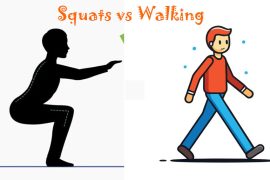

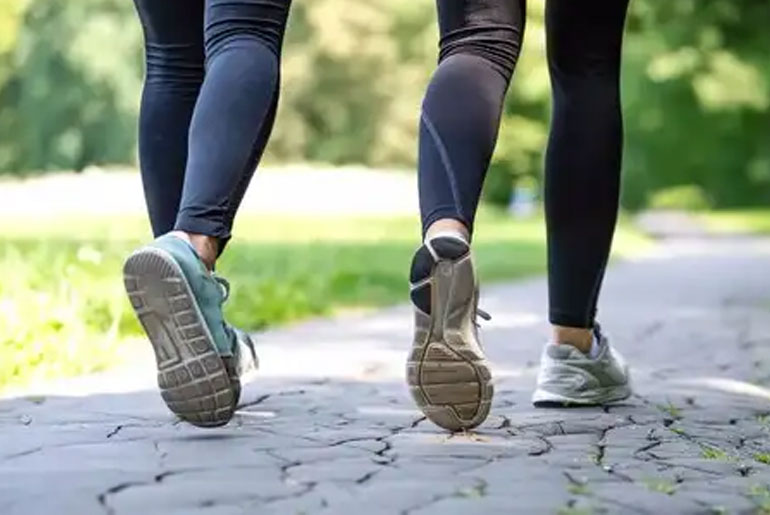
For diabetics, walking after meals is seen to be a straightforward yet effective treatment. After eating, blood sugar rises are lessened since even a short stroll aid in the muscles’ absorption of glucose. After lunch or dinner, a quick walk of ten to fifteen minutes might significantly enhance blood sugar regulation. According to Dr. Vijay Negalur, HOD for diabetology at KIMS Hospitals in Thane, “it’s like giving your insulin a natural boost.”
How quickly and for how long should one walk?
Dr. Negalur emphasized that consistency, not speed, is the key. “It’s ideal to take a leisurely 10- to 15-minute walk immediately after eating. Even slow, steady exercise has an impact; a quick power walk is not necessary. Short walks after meals can assist those who already walk in the morning manage their blood sugar levels, according to Dr. Negalur.

A moderate pace is sufficient; vigorous exercise right after eating is not necessary, according to Dr. Manjusha Agarwal, senior specialist in internal medicine at Gleneagles Hospital Parel, Mumbai. This practice can help manage weight, increase energy, and lessen general blood sugar swings over time. Make sure to walk every day because consistency is more important for the best effects than intensity, according to Dr. Agarwal.
Can people without diabetes attempt this, or does it only help diabetics?
Everyone wins. Walking after meals may help persons with prediabetes postpone or avoid developing diabetes. After eating, even healthy people would feel more energized and less lethargic, according to Dr. Negalur.
What safety measures should people with diabetes remember?
- Avoid vigorous physical activity immediately after eating as this may result in pain or acidity.
- Pick a level, secure area to walk; even pacing indoors is effective.
- Check your blood sugar levels and walk after major meals rather than on an empty stomach if you are elderly or prone to low blood sugar.
Are there easy workarounds for people who are unable to leave the house after eating?
Indeed. Walking indoors, ascending a few steps, or marching in place can all be beneficial, according to Dr. Negalur. Instead of sitting down immediately after eating, the idea is to “switch on” your muscles, according to Dr. Negalur.
Additionally, Dr. Negalur suggested that walking after meals can be considered a minor investment with long-term advantages. It is simple, sustainable, and free. If I were to suggest one modification to my diabetic patients, it would be this one. “Walk it off after eating instead of sitting,” Dr. Negalur advised.
Before beginning a new habit, diabetics should ideally speak with their doctor to make sure the activity meets their specific medical requirements.
Disclaimer:
The information contained in this article is for educational and informational purposes only and is not intended as a health advice. We would ask you to consult a qualified professional or medical expert to gain additional knowledge before you choose to consume any product or perform any exercise.