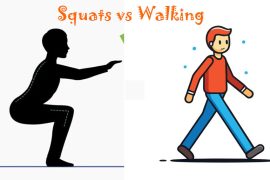


Chair Pose, or Utkatasana, is one of the most basic yet powerful yoga poses. The body is positioned to resemble a chair. The benefits of holding this pose for a long time are significant for the practitioner. In utkatasana, or chair pose, one stands upright, arms up, palms facing each other, knees bent to bring thighs parallel to the floor, hips and pelvis pushed back, and spine straight. This pose may seem easy, yet it can be difficult to hold for a long time.
How can I do chair pose, or utkatasana, step-by-step?
To ensure correct position and technique when attempting Utkatasana (chair pose), follow these steps:
- Starting position: Place your feet together and stand tall. Make sure your heels are bearing the same amount of your weight.
- Arms raised: Raise your arms over your head as you take a breath. With the hands facing each other, keep them parallel to one another.
- Bend the knees: As you release your breath, push your hips back and bend your knees, simulating sitting in a chair. Make sure your thighs are parallel to the floor.
- Keep your spine straight: Throughout the position, keep your spine straight. Use your core and tuck your pelvis a little.
- Look straight ahead: To keep your neck in line with your spine, look straight ahead or slightly upward.
- Hold the posture: Focus on taking calm, deep breaths while holding the stance for 30 to 60 seconds. As you exhale, lower your arms and straighten your legs to release the pose.
Advantages of utkatasana (chair posture):
Let’s examine the many advantages of Utkatasana (chair posture), as given by yoga master Himalayan Siddhaa Akshar, now that you know how to execute the pose:

1. Placement
Correct spinal alignment is promoted by utkatasana. It improves general stability and balance while also helping to rectify bad posture, such as hunchback. Better alignment can help energy move more smoothly throughout the body, which enhances general health.
2. Power in the lower body
The lower body strengthening that comes with Utkatasana is among its most obvious advantages. The muscles in your thighs contract forcefully as you bend your knees. Doing this position on a regular basis strengthens and tones the legs, which improves your ability to move steadily throughout the day.
3. Perseverance and balance
Maintaining Utkatasana forces you to balance and develops lower body stamina. The focus necessary to hold this position improves mental and physical equilibrium, both of which are critical for daily tasks.

4. Correction of flat feet
In particular, Utkatasana could be beneficial if you have flat feet. Over time, improved alignment and stability may result from the pose’s encouragement of appropriate foot placement and strengthening of the foot muscles.
5. Loss of weight in the central body
Although the lower body is the main focus of Utkatasana, your core is also engaged. To achieve equilibrium in the position, this core engagement is essential. It is a useful technique for people who want to work their core while keeping their entire body stable because it can result in waist toning and weight loss in the center.
6. Health of the digestive system
Your internal organs, particularly those related in digestion, might work better when you practice Utkatasana since it strengthens and activates your core muscles. Numerous digestive problems can be lessened by this degree of involvement, which might enhance blood flow to the digestive organs.
7. Toning of muscles
Utkatasana provides a full-body workout in addition to strengthening the lower body. It tones the shoulders, neck, waist, and back. Maintaining your arms raised works your upper-body muscles, which tones your entire body.
8. Strengthening of the pelvic floor
The pelvic floor is also activated when the core muscles are used. Muscle control, reproductive health, and general physical health can all be improved by stronger pelvic floor muscles.
9. Health of the joints
The knees, hips, and ankles are among the joints that are used in this pose. Long holds can be used to increase stamina and strengthen joints. As you age, this feature is especially helpful for preserving the stability and health of your joints.
10. Mental fortitude
Last but not least, the chair posture, or utkatasana, is a great method to strengthen your mind. Focus and perseverance are necessary to strike and maintain this pose, which promotes discipline in your practice. This results in enhanced capacity to manage obstacles on and off the mat.
Therapeutic Uses:
- Beneficial for flat feet by strengthening arches.
- Helps in relieving joint stiffness and improving flexibility.
- Supports weight management by burning calories and boosting metabolism.
Primary versions of the chair pose, Utkatasana, include:
1. Parivrtta Utkatasana (Five-Legged Pose):
How to Do It:
- Commence with Utkatasana.
- The Anjali Mudra is to bring the palms together at the chest.
- Bring the left elbow across the right thigh by twisting the torso to the right on the exhale.
- Press your palms firmly, keep your hips square and your knees in alignment, and open your chest.
- Proceed to the opposite side.
Advantages
- enhances core, glute, and leg strength.
- Deep twist improves digestion and detoxification by stimulating the digestive organs.
- increases attention, spinal flexibility, and balance.
Safety measures:
- Steer clear if pregnant, have significant lower back pain, or have spinal injuries.
2. Ardha Utkatasana, or Half Chair Pose
How to Do It:
- Start with Tadasana.
- Arms raised high, inhale.
- Release your breath and bend your knees slightly (around 45° instead of a full squat).
- Maintain a long spine and a raised chest.
Advantages
- A more moderate option for novices or people with weak knees.
- builds core and thigh strength without putting undue strain on joints.
- gets the body ready for the full form of Utkatasana.
Safety measures:
- Leaning too far forward or overstretching your knees should still be avoided.
3. The Goddess Pose (Utkata Konasana):
How to Do It:
- Stand with your feet wide apart and your toes at a 45-degree angle.
- As you lower your hips into a squat, bend your knees deeply.
- With your elbows bent and your palms facing front, raise your arms to shoulder height (cactus arms).
- Try to maintain a tall spine, an open chest, and thighs parallel to the floor.
Advantages
- opens the groin, inner thighs, and hips.
- enhances gluteal, pelvic floor, and leg strength.
- increases stability and circulation.
- posture that is energizing and increases endurance.
Safety measures:
- Avert knee, groin, or hip injuries.
- Beginners might reduce the intensity by keeping their feet closer together.
Warnings and Recommendations for Utkatasana
Chronic Injuries to the Knee, Hip, or Ankle
- The lower joints are strained since Utkatasana is a deep bend.
- Individuals with persistent knee, hip, or ankle discomfort, arthritis, or ligament problems should avoid or practice with support (such as a wall or block).
Pain in the lower back or a slipped disc
- Leaning forward might put strain on the lumbar region.
- Avoid this posture or only perform it under professional supervision with adjustments if you have sciatica, herniated discs, or spinal injuries.
Migraines or Headaches
- Tension in the head, neck, and shoulders may grow if the pose is maintained with the arms raised overhead.
- People who have migraines or vertigo may find it uncomfortable and should stay away from prolonged holding.
Reduced Blood Pressure
- Bending and maintaining the position may cause a brief decrease in blood flow to the head, which could cause lightheadedness or fainting.
- These practitioners should avoid holding the pose for extended periods of time and enter and depart it slowly.
Getting pregnant
- Deep bending can be dangerous, especially in later trimesters, as it compresses the abdomen.
- Only under the guidance of a qualified instructor can pregnant women perform wide-legged Goddess Pose or a mild half-chair variation with assistance.
Safety Advice for All:
- Prior to performing Utkatasana, warm up.
- Avoid allowing your knees to extend over your toes and maintain their alignment.
- To protect the lower back, use your core.
- Beginners can hold the pose for 10 to 15 seconds at first, then progressively extend it.
Disclaimer:
The information contained in this article is for educational and informational purposes only and is not intended as a health advice. We would ask you to consult a qualified professional or medical expert to gain additional knowledge before you choose to consume any product or perform any exercise.