
Developing easy-to-maintain behaviors is the key to sustainable weight loss, not drastic diets or intense exercise regimens. A dietitian offers three easy-to-follow but powerful suggestions to help you see long-term benefits. These encourage general health in addition to weight management by emphasizing movement and mindful living in addition to nutrition.
1. Make Bajra a Weekly Essential
Pearl millet, or bajra, is a nutrient-dense grain that is high in protein, fiber, and vital minerals. You can enhance digestion, lessen hunger sensations, and control blood sugar levels by using bajra in your weekly meals. Including this millet on a regular basis in your diet, whether it be in upma, bajra rotis, or porridge, promotes weight loss and gives you steady energy throughout the day.
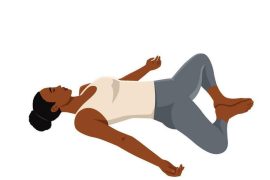
2. Every Day, Stretch Your Hamstrings and Back
Stretching the hamstrings and back every day promotes healthy posture, eases muscle tension, and increases flexibility. Tight back and hamstring muscles can restrict range of motion and deter exercise. You may improve mobility, lower your risk of injury, and stay active—all of which are crucial for long-term weight management—by implementing a basic stretching regimen each day.
3. Establish a “Screen Zone” at Home
Reducing screen time can help lower sedentary behavior and mindless munching. By creating a specific “screen zone” in the house where screens are used purposefully rather than continuously, you can promote mindful eating and break up extended periods of inactivity. This tiny habit makes room for healthy living choices and increases your awareness of your eating habits.
In conclusion, Small, regular modifications, as opposed to abrupt ones, are the key to sustainable weight loss. You can establish a well-rounded, healthful habit that promotes weight management and general well-being by incorporating bajra into your diet, stretching frequently, and controlling screen time. Without the hassle of severe dieting, these simple routines can eventually have long-lasting effects.
Disclaimer:
The information contained in this article is for educational and informational purposes only and is not intended as a health advice. We would ask you to consult a qualified professional or medical expert to gain additional knowledge before you choose to consume any product or perform any exercise.