

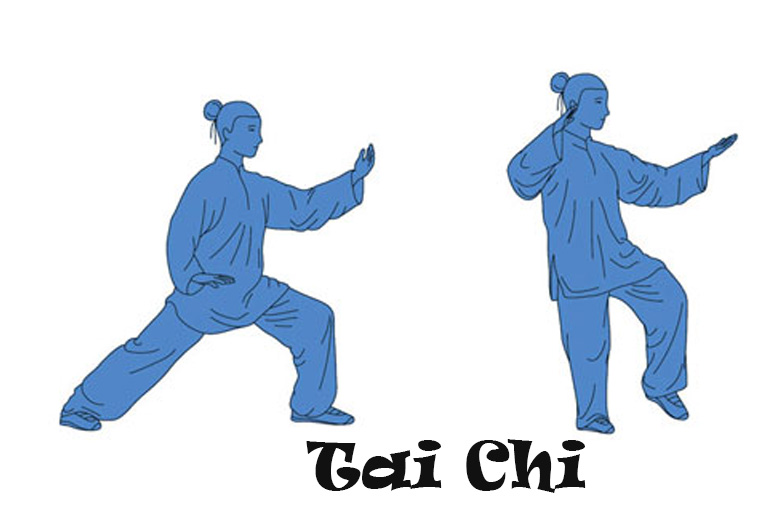
Research indicates that practicing Tai Chi for eight weeks has a significant positive impact on cognitive function and the brain. Tai Chi is a mind-body practice that combines focused breathing, balancing, and gentle motions. It has been associated with benefits in executive function, memory, and attention. Brain imaging studies suggest that there is a stronger link between areas of the brain involved in thinking, like the hippocampus and prefrontal cortex, which are important for making memories, planning, and making decisions.
Additionally, Tai Chi can reduce stress and anxiety, lowering cortisol levels and promoting neuroplasticity—the brain’s ability to form new neural connections. All things considered, even a brief eight-week Tai Chi session can promote long-term cognitive health, increase mental clarity, and improve memory.
Tai Chi: Moving Meditation
Tai chi, which combines deep, thoughtful breathing with slow, flowing physical movements, is frequently referred to as “meditation in motion.” Unlike high-intensity workouts, it promotes balance, coordination, bodily awareness, and mental focus. This special blend engages the brain, fostering emotional stability and cognitive resilience in addition to supporting physical health.

What Changes During the First Eight Weeks?
It is possible to observe observable changes in brain function during the first eight weeks of regular Tai Chi practice. Participants frequently report increased mental clarity, better focus, and improved memory recall. The exercise helps the mind handle information more effectively by stimulating several brain regions at once, including those in charge of executive function, memory, and attention.
Better Memory and Function
By encouraging neuroplasticity—the brain’s capacity to create new neural connections—tai chi improves cognitive function. The brain adjusts to the practice’s combined mental and physical demands, improving working memory, processing speed, and general cognitive flexibility. Additionally, the meditative component of Tai Chi reduces stress levels, which is crucial because high stress can impair cognitive performance.
Why Tai Chi Is So Effective
Tai Chi’s comprehensive approach, which unifies the body and mind, is what makes it so effective:
- Mindful Movement: Paying attention to posture, balance, and movement improves focus and attention span.
- Exercise: Constant, mild movement enhances blood flow and oxygen delivery to the brain.
- Stress Reduction: Deep breathing and meditation awareness lower cortisol, promoting memory and cognitive wellness.
This combination of factors strengthens the brain, improves mental performance, and enhances emotional regulation.
Long-Term Promises, Short-Term Gains
Participants can observe observable cognitive gains, such as improved focus and memory, even after just eight weeks. Long-term practice offers even more advantages, including prolonged mental agility, enhanced emotional stability, and a slower rate of age-related cognitive loss. Tai Chi fosters an environment that is conducive to long-term brain health by regularly involving the body and mind.
Disclaimer:
The information contained in this article is for educational and informational purposes only and is not intended as a health advice. We would ask you to consult a qualified professional or medical expert to gain additional knowledge before you choose to consume any product or perform any exercise.