
Researchers have found novel anti-aging substances made by a little-known blood microbe, which could lead to more effective skin-rejuvenation treatments in the future.
In skin cell cultures, these indole metabolites were able to lower collagen-damaging activity, oxidative stress, and inflammation.
Three of the compounds, including two previously unseen, demonstrated particularly potent effects. The findings suggest a surprising new avenue for skin-rejuvenation treatments in the future.
People spend a lot of time and energy using masks, lotions, and serums to keep their skin looking fresh.
Researchers have recently discovered naturally occurring compounds that come from the body itself and have anti-aging properties.
These three substances, which come from a blood-dwelling bacterium, have been demonstrated to lessen inflammation and cellular damage in human skin cells cultured in a lab.
The findings, which were published by the American Chemical Society and the American Society of Pharmacognosy in the Journal of Natural Products, point to a viable avenue for future skin-aging therapies.
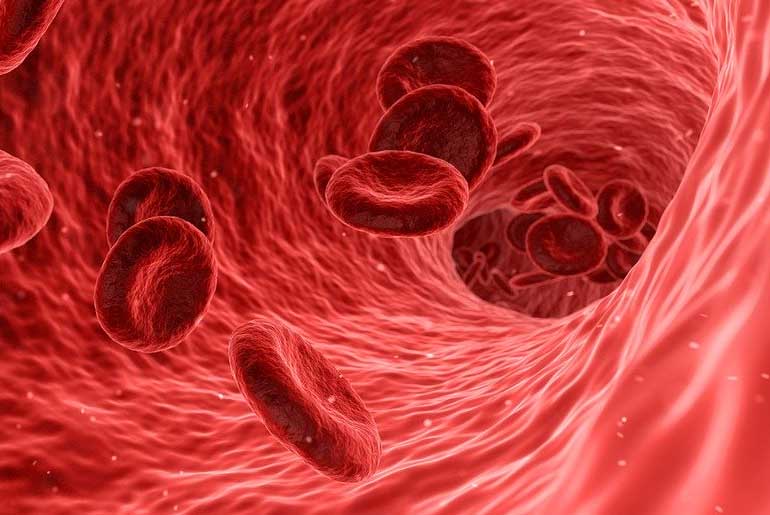
Scientists currently poorly understand the effects of bacterial byproducts (also known as metabolites) in the bloodstream on human health.
Because of their antibacterial, anti-inflammatory, and anti-aging properties, one class of metabolites—known as indole compounds—has garnered special attention.
Researchers identified a blood microbe called Paracoccus sanguinis in 2015 that was able to produce these substances.
Chung Sub Kim, Sullim Lee, and their group concentrated on studying the indole-functionalized metabolites of P. sanguinis because they were interested in learning more about the organism.
“We became interested in P. sanguinis because blood-derived microbes are a relatively uncharted area of research,” Kim explains. “
“Given the unique environment of the bloodstream, we believed that studying individual species like P. sanguinis could reveal previously unknown metabolic functions relevant to health and disease,” Kim stated.
Finding Novel Compounds
To investigate this theory, the group cultivated a sizable number of P. sanguinis for three days before extracting the entire range of metabolites the microorganism produced.
They used several analytical methods, such as spectrometry, isotope labeling, and computational methods, to figure out the chemical structures of 12 different indole metabolites in the mixture. Six of them had never been found before.
Kim, Lee, and their associates then investigated the potential of the indole compounds to inhibit skin aging processes.
Prior to treatment, the cultured human skin cells were subjected to circumstances that produced reactive oxygen species, which are chemicals known to cause inflammation and degrade collagen. They then added liquid solutions containing each metabolite to the cells.
Three of the twelve tested indoles—two of which were recently discovered—lowered the amounts of reactive oxygen species in these stressed skin cells compared to untreated samples.
Additionally, these identical metabolites reduced the levels of a collagen-degrading protein and two inflammatory proteins.
Possible Route for Novel Skin Therapies
The newly identified indole metabolites may eventually serve as the foundation for treatments that help mitigate the effects of aging on the skin, according to the researchers’ preliminary findings.
Disclaimer:
The information contained in this article is for educational and informational purposes only and is not intended as a health advice. We would ask you to consult a qualified professional or medical expert to gain additional knowledge before you choose to consume any product or perform any exercise.