
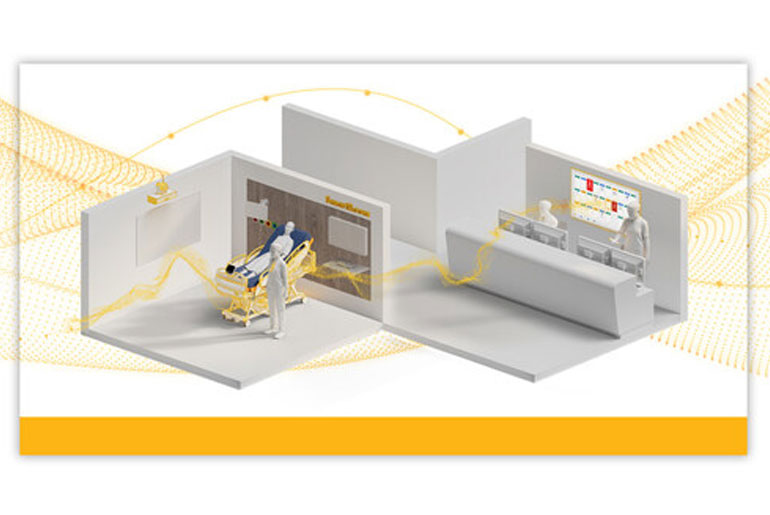
Stryker, a world pioneer in medical innovations, has introduced its new SmartHospital Platform. The goal of this digital platform is to integrate devices, data, and care teams across the hospital into a smart, adaptable system. The introduction comes before the 2026 HIMSS Global Conference & Exhibition and is a big step forward for Stryker’s digital products.
Stryker’s new Smart Care business is in charge of the SmartHospital Platform. The corporation established this division to fulfil its commitment to assist its customers in their digital transformations. The SmartHospital Platform was made to help with today’s healthcare problems, like fragmented systems, overworked staff, and high patient volumes. It can grow to meet the specific needs of hospitals and health systems, and it provides useful information to help make clinical decisions and improve workflow efficiency.
“We are committed to working with our customers on their digital journeys to improve care delivery,” stated Scott Sagehorn, VP/GM of Smart Care at Stryker. “The SmartHospital Platform is made to grow with health systems so that teams can do their jobs better and stay focused on patient-centred care.”

The SmartHospital Platform has many important features, such as:
- Connected infrastructure: The platform connects devices and data to help with clinical and operational workflows spanning transport, treatment, and recovery. This makes it easier for teams to coordinate patient care.
- Clinical communication: Voice-activated, hands-free gadgets like Stryker’s Sync Badge help teams share important information and set off prioritised alarms so that care may be delivered quickly and in a coordinated way throughout the hospital.
- Workflow engine: Engage, the smart middleware engine that powers the SmartHospital Platform, helps break down communication barriers by filtering and prioritising alarms and notifications so that personnel can stay up to date in busy care environments.
- Virtual care: Virtual nursing and virtual monitoring workflows benefit bedside staff by making administrative responsibilities easier and allowing them to focus on the patient experience.
- Ambient intelligence: Sensors, computer vision, AI, and contextual data assist the care environment in becoming more aware, flexible, and responsive.
Jessica Mathieson, president of Medical at Stryker, stated, “Launching the SmartHospital Platform is an important step forward in helping our customers change how they deliver care.” “We’re still focused on solving problems so that nurses and staff can spend less time dealing with complicated issues and more time with patients.”
Disclaimer:
The information contained in this article is for educational and informational purposes only and is not intended as a health advice. We would ask you to consult a qualified professional or medical expert to gain additional knowledge before you choose to consume any product or perform any exercise.