

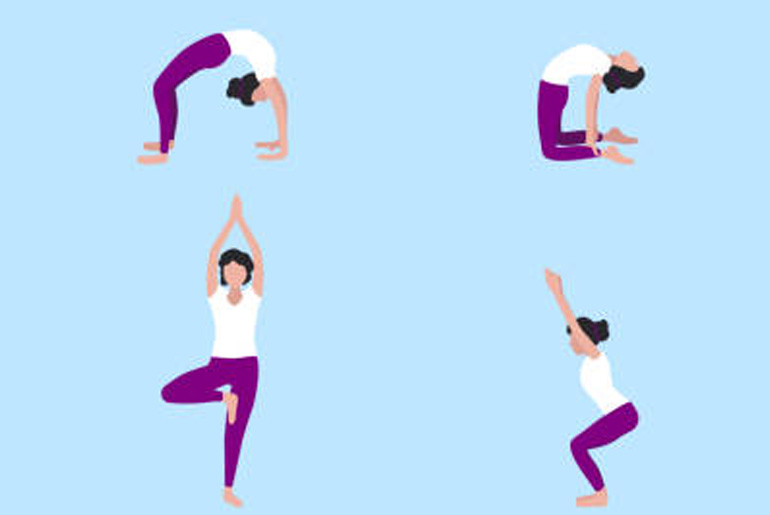
Many people experience a decline in their energy and attitude when the days get shorter and the temperature drops. Even basic everyday chores may feel more difficult during this seasonal transition, which is sometimes called the winter blues. Some people may experience seasonal affective disorder (SAD), in which a lack of sunlight disrupts serotonin levels, impacting mood, emotional equilibrium, and sleep. Lifestyle practices like yoga can provide significant help, even though professional care may be necessary in certain situations. Yoga helps the body and mind better handle the emotional challenges of winter by promoting circulation, calming the nervous system, and fostering a sense of mental warmth.
How can yoga elevate one’s attitude in the winter?
Compared to non-practitioners, yoga practitioners reported far reduced levels of stress, anxiety, and sadness. By regulating the neurological system, increasing blood flow, and promoting the release of endorphins—chemicals that naturally elevate mood—yoga promotes emotional well-being. Winter blues may be less likely as a result.

Five yoga practices to improve your mood amid depressing weather
1. Cobra Pose, or Bhujangasana
Bhujangasana is a moderate backbend that is excellent for people who are experiencing seasonal lows or chronic weariness since it is linked to emotional uplift and enhanced mood. This pose helps reduce symptoms of mild to moderate depression and improve sense of self-esteem and emotional regulation, contributing to better overall mental well-being.
Keeping your pelvis firmly planted on the ground, raise your chest by pressing into your hands. Soften the shoulders away from the ears, lengthen the spine, and maintain the posture while breathing slowly.
2. Warrior II, or Virabhadrasana II
By strengthening the back, legs, and core, this pose increases confidence and stamina. Emotional resilience, presence, and focus are all enhanced by the grounded stance.
This posture is achieved by standing with your feet wide apart, bending your front knee, turning one foot outward, and extending your arms parallel to the floor. Keep your spine straight and your chest wide as you look over your front hand.
3. Bridge position, or Setu Bandhasana
Setu bandhasana is very beneficial for controlling stress, anxiety, and mood swings because of its relaxing but energizing effects on the body and mind. “The parasympathetic nervous system is activated, and the mind feels more relaxed and settled, which improves the quality of sleep,” Bothra says, adding that the moderate raise of the chest promotes deep breathing.
This pose is done by lying on your back with your feet hip-width apart and your knees bent. Lengthen your spine by pressing your feet into the mat, raising your hips, and interlocking your hands beneath your back. Breathe slowly while holding the position, then let go softly.
4. The child’s posture, or balasana
This restorative pose reduces physical tension, relaxes the lower back, and promotes introspection without emotional overload, providing a soothing counterweight to worry and overstimulation.
Kneel on the floor, sit back on your heels, and fold forward until your forehead hits the floor and your chest rests on your thighs. As you concentrate on taking deep, regular breaths, extend your arms forward or leave them at your sides.
5. The downward-facing dog, Adho Mukha Svanasana
There is more to the downward-facing dog stance than just its physical benefits. By lowering tension, soothing the nervous system, and enhancing focus, it promotes emotional equilibrium. Increased blood flow to the brain is particularly beneficial for overcoming poor motivation during the winter months since it revitalizes the mind, improves mood, and replenishes energy.
Start on your hands and knees to do this pose. With your hands shoulder-width apart and your heels heading toward the floor, tuck your toes, raise your hips, and then return to an inverted V position.
To reap the emotional rewards of yoga, consistency is essential. During dreary winter days, daily practice can assist in increasing drive and vitality. Community-based yoga practice can help people feel supported and stay committed, Bothra says. Although yoga cannot replace medical care, it can significantly improve mental and emotional well-being, ease seasonal mood swings, and relax the mind over the winter months.
Disclaimer:
The information contained in this article is for educational and informational purposes only and is not intended as a health advice. We would ask you to consult a qualified professional or medical expert to gain additional knowledge before you choose to consume any product or perform any exercise.